The Aluminum Shell Melting Furnace You Can Actually Rely On
Let’s be real — if you’ve ever worked in aluminum foundry operations, you know how temperamental melting can be.
Sometimes your furnace takes forever to heat up. Sometimes the shell warps after a few months. And sometimes, despite all your precautions, the molten metal temperature just won’t stay consistent.
I’ve been through all of it. I used to think, “Maybe it’s just part of the process.” But after switching to an aluminum shell melting furnace, I realized that stability and energy efficiency aren’t luxuries — they’re necessities.
So in this article, I’m going to tell you exactly why the aluminum shell melting furnace changed how we melt, what makes it better than traditional steel-shell furnaces, and how to pick one that’s actually worth your investment.
What Is an Aluminum Shell Melting Furnace, Exactly?
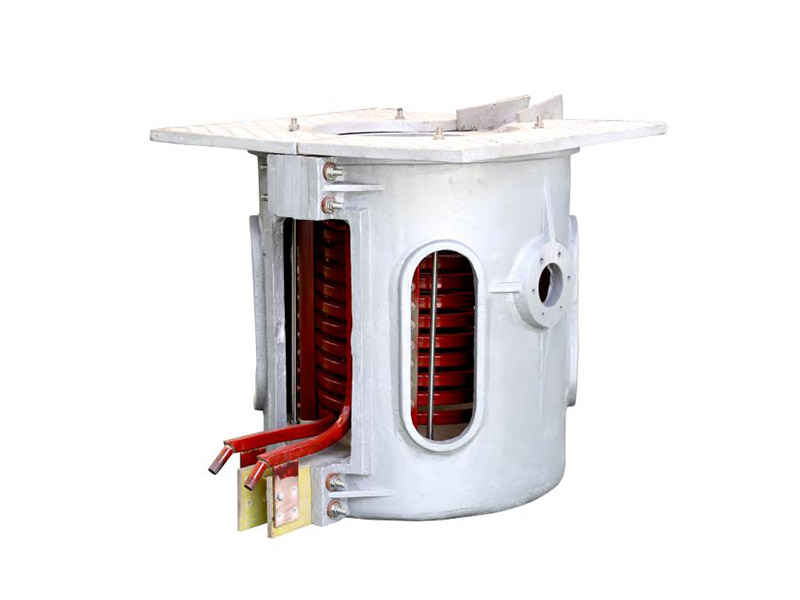
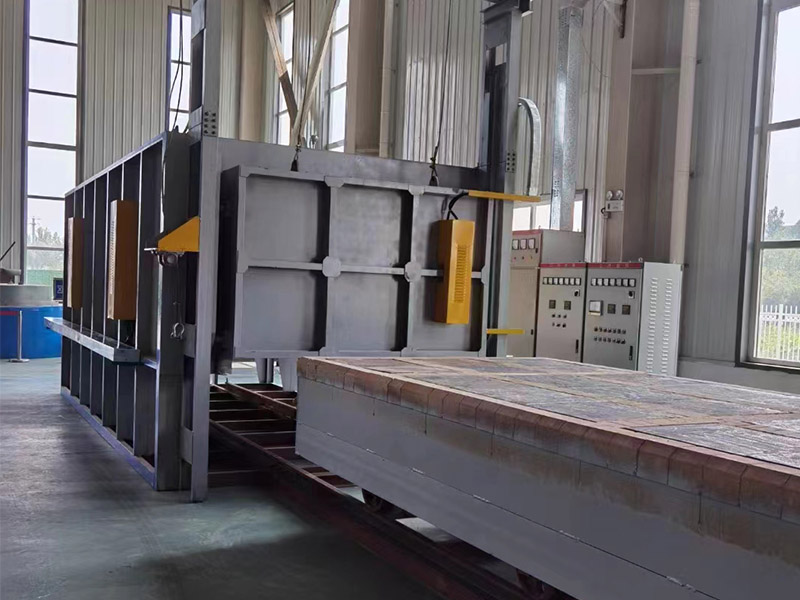
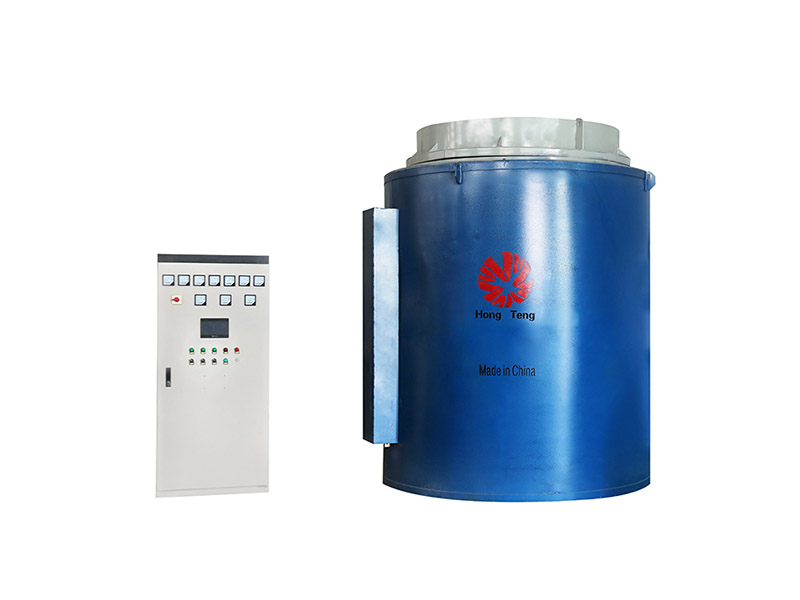
At its core, an aluminum shell melting furnace is a type of induction furnace designed specifically for melting aluminum and other non-ferrous metals.
Unlike traditional steel shell induction furnaces, which are prone to magnetic leakage and energy loss, aluminum shell furnaces use a non-magnetic, lightweight, corrosion-resistant aluminum outer structure — making them more efficient, stable, and safer over time.
Here’s how it works:
The induction coil creates an alternating magnetic field.
The metal charge inside the crucible (usually aluminum, copper, or zinc) heats up due to eddy currents.
The aluminum shell structure keeps everything stable, lightweight, and thermally balanced.
The result? Faster melting, less power consumption, and longer furnace life.
Why I Switched: The Problem with Traditional Steel-Shell Furnaces
Let me tell you a quick story.
Three years ago, we were running a line of conventional steel-shell induction furnaces for aluminum casting.
Everything seemed fine at first — until we started noticing:
Power consumption was creeping up month after month.
Shell deformation occurred due to magnetic force.
Maintenance downtime became a weekly ritual.
After every maintenance cycle, we lost hours — sometimes even days — in productivity. And as energy prices kept climbing, the operating cost became unbearable.
That’s when I started exploring alternatives, and the aluminum shell melting furnace caught my attention.
First Impressions and Setup Experience
When we installed our first aluminum shell furnace, I was skeptical. It looked lighter and thinner than the steel models I was used to — and I wondered if it could really handle the same workload.
But once we fired it up, the differences were immediate.
Melting speed improved by about 20–25%, even under the same power rating.
The temperature distribution inside the crucible was far more uniform.
The shell stayed cool, even after continuous 8-hour runs.
Within a week, I was convinced this wasn’t just a “fancier design” — it was a smarter engineering choice.
Core Advantages You Actually Notice in Daily Use
Here’s what really stood out after months of running the aluminum shell melting furnace in production:
1. Energy Efficiency
Because aluminum is non-magnetic, there’s no magnetic flux leakage through the shell — meaning more of your power goes directly into heating the metal, not the furnace walls.
In real-world numbers: we saw energy savings of 10–15% per melt cycle compared with steel-shell units.
2. Lightweight and Easy Maintenance
The aluminum casing makes the furnace significantly lighter, which simplifies installation, movement, and coil replacement.
One technician can easily handle what used to take a whole crew.
3. Enhanced Cooling and Durability
The design allows better air circulation and reduces heat transfer to the outer wall.
In our tests, the aluminum shell temperature stayed under 45°C, even when internal temperatures exceeded 1200°C.
4. Improved Safety
No more risk of magnetic attraction between the shell and coil, which can lead to vibration, noise, or even short circuits.
The aluminum structure naturally isolates the induction coil, ensuring stable operation.
5. Extended Service Life
With less deformation and corrosion, the overall lifespan of the furnace body easily exceeds 8–10 years under regular use — far longer than most steel alternatives.
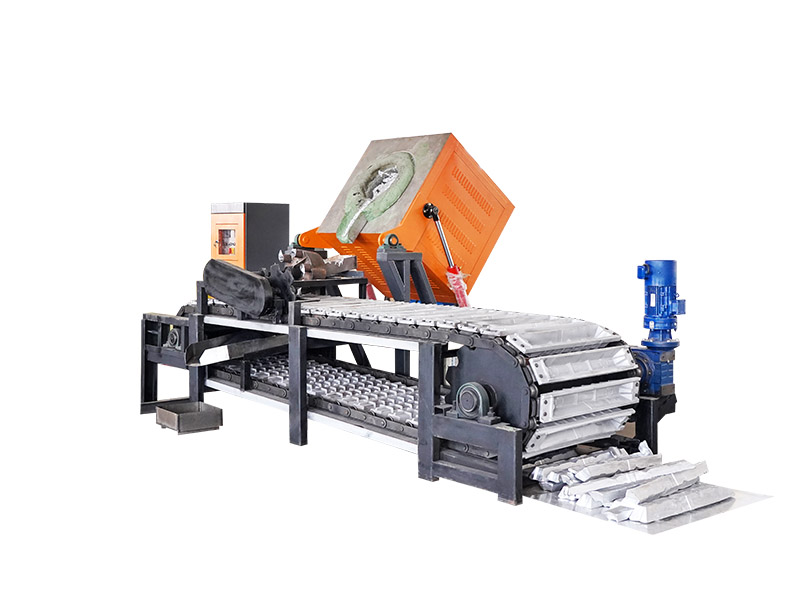
We even installed one in a small-scale aluminum recycling line, and it handled continuous melting for 10 hours straight without deviation — something our old units could never manage.
Potential Drawbacks (Let’s Be Honest)
Of course, no product is flawless. Here’s what you should know before buying:
Higher upfront cost: Aluminum shell furnaces usually cost 10–20% more than steel ones.
Slightly more delicate handling: Aluminum shells can dent if mishandled during transport, so proper installation is crucial.
Custom components: Replacement parts (like coil holders or shell sections) may not be interchangeable with other furnace brands.
Still, once you factor in efficiency, reliability, and reduced downtime, the total cost of ownership easily tilts in favor of aluminum shell designs.
How to Choose the Right Aluminum Shell Furnace
Before you order, here’s my quick 3-step checklist:
- Confirm Your Melting Capacity
Match furnace size (kg or tonnage) to your average batch weight. Over-sizing leads to energy waste. - Check Power Supply Compatibility
Make sure your transformer or power cabinet can handle the induction frequency and current requirements. - Ask for Field Data
Don’t rely on brochures. Request real performance data from similar installations (temperature curve, cycle time, energy use).
If your supplier can’t provide that — walk away. A good manufacturer should be proud to show their numbers.
Quick Facts Summary
- Name: Aluminum Shell Melting Furnace
- Application: Melting of aluminum, copper, zinc, and non-ferrous metals
- Core Advantage: No magnetic leakage, high efficiency, low maintenance
- Energy Savings: 10–15% compared with steel-shell furnaces
- Service Life: Up to 10 years
- Best For: Foundries, recycling plants, alloy casting lines