Selecting an aluminum casting production line is not only a question of equipment price. For foundries, the right line must match alloy type, production capacity, plant layout, cooling conditions, automation level, and long-term maintenance plans. A well-matched system helps stabilize output, reduce scrap, and make daily operation easier for the production team.
This guide summarizes practical points that buyers and engineers can review before investing in new foundry equipment or upgrading an existing casting workshop.
1. Start with product type and casting process
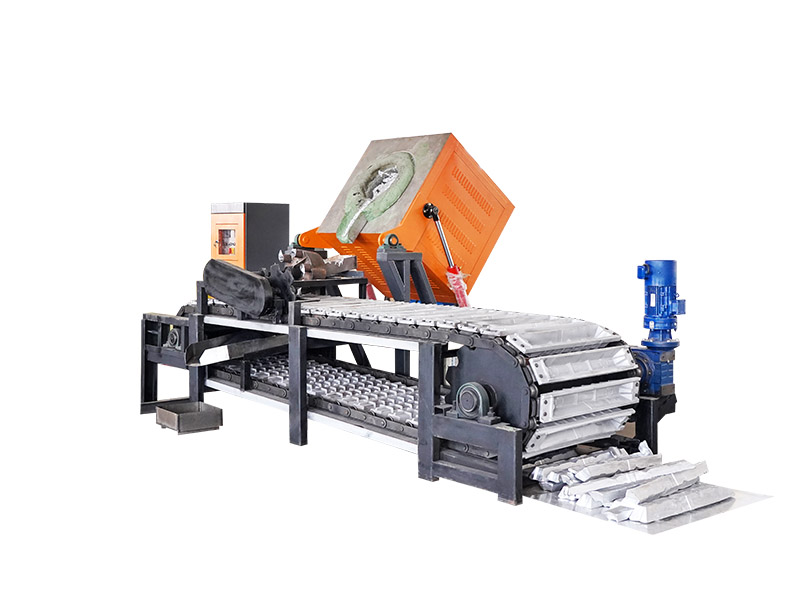
Different aluminum products require different casting layouts. Rod, billet, slab, profile, and special alloy production may need different molds, cooling methods, guiding systems, cutting equipment, and handling devices. Before choosing a line, define the final product dimensions, alloy range, expected output, and acceptable tolerance range.
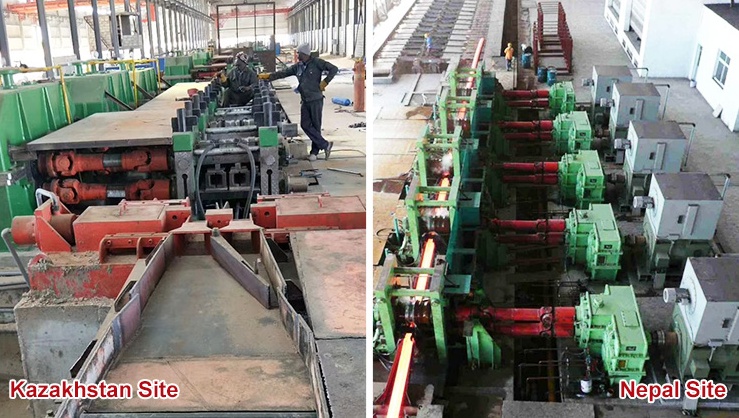
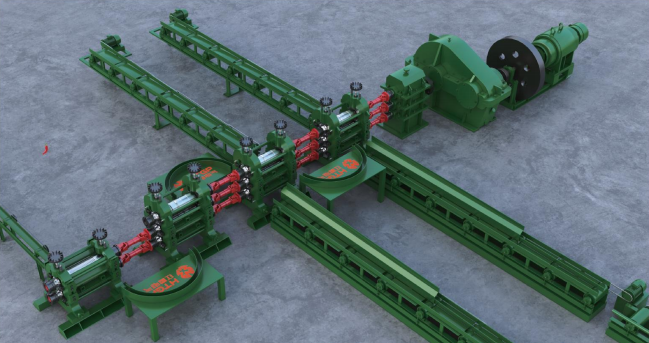
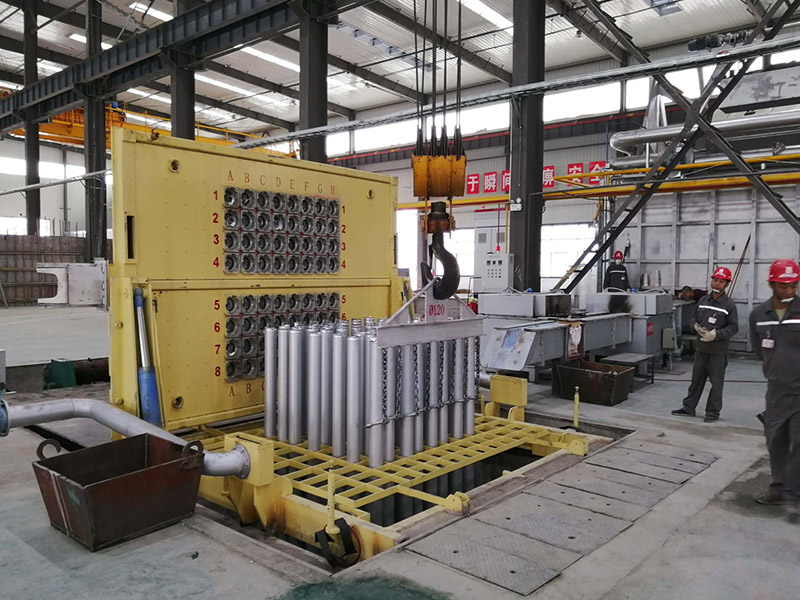
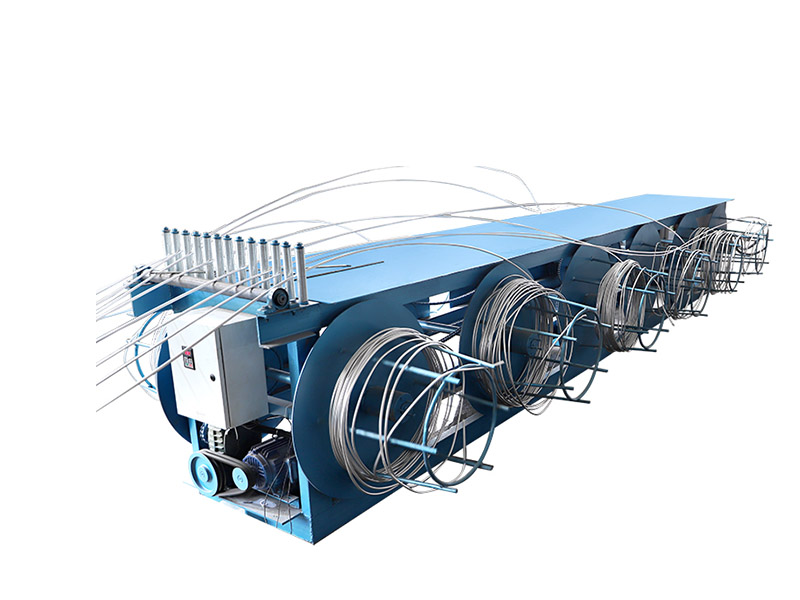
For rod production, an aluminum rod horizontal continuous casting line may be suitable when the plant needs continuous operation and stable product consistency. For other layouts, deep well or vertical casting solutions may be considered according to workshop space and production habits.
2. Match capacity with upstream melting and downstream processing
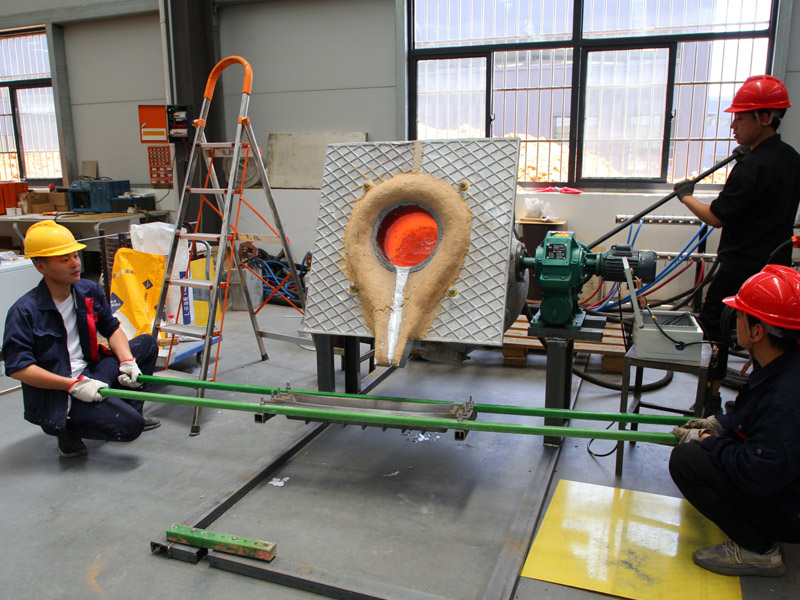
A casting line should not be selected in isolation. If melting capacity is too low, the casting line will wait for metal. If casting speed is too high for downstream handling, bottlenecks appear after solidification. Buyers should calculate the complete production chain, including melting, holding, degassing, filtration, casting, cooling, cutting, transfer, and storage.
- Confirm hourly and daily output requirements.
- Check molten metal transfer distance and temperature loss.
- Reserve enough space for maintenance and material handling.
- Review downstream rolling, extrusion, or machining capacity.
3. Pay attention to cooling and solidification control
Cooling design has a direct influence on casting quality. Water flow, water temperature, mold structure, spray uniformity, and cooling zone control all affect product surface quality and internal structure. Unstable cooling can cause cracks, deformation, poor surface finish, or inconsistent mechanical properties.
When comparing suppliers, ask how the line controls cooling water distribution, how operators adjust process parameters, and how easy it is to clean and maintain the cooling system.
4. Evaluate automation level and operator workflow
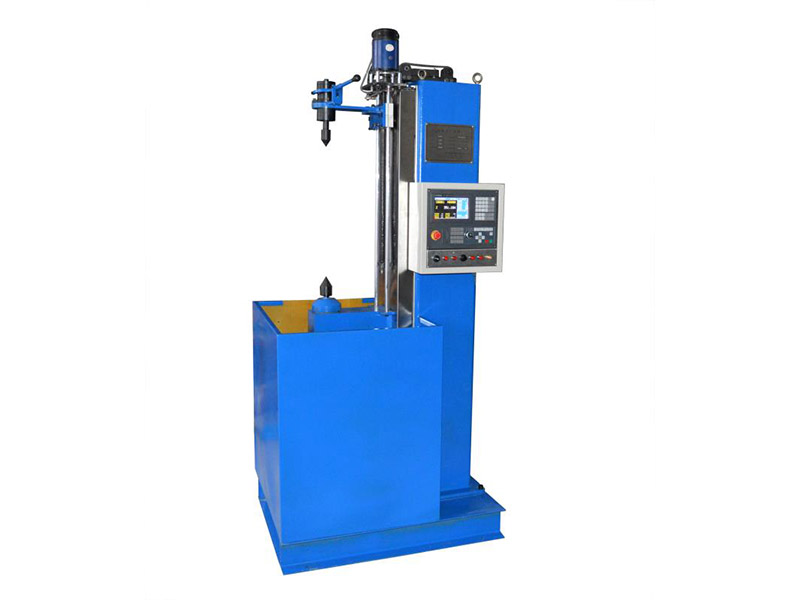
Automation can improve stability, but it must match the plant team's actual operating ability. A practical line should give operators clear control over casting speed, cooling water, alarms, cutting length, and emergency stops. Touchscreen interfaces, sensors, and process records are valuable when they make the workflow simpler rather than more complicated.
For a complete project, buyers can review available engineering services, installation support, commissioning guidance, and operator training before making the final decision.
5. Consider maintenance access and spare parts
Daily maintenance should be designed into the equipment layout. Operators need safe access to molds, rollers, water circuits, transmission parts, sensors, hydraulic stations, and electrical cabinets. Common wearing parts should be easy to inspect and replace. A line that is difficult to maintain may create higher operating costs even if the initial purchase price is lower.
Questions about installation, commissioning, operation, and after-sales support can often be clarified through the supplier's FAQ section before technical discussion begins.
6. Choose a supplier that understands the whole foundry process
A reliable supplier should understand not only the casting machine, but also upstream melting, metal treatment, temperature control, cooling, cutting, handling, and downstream production. This process knowledge helps the supplier recommend a line that fits real production needs instead of simply quoting a standard machine.
When preparing an inquiry, provide product drawings, alloy grades, capacity targets, available workshop dimensions, power and water conditions, and automation expectations. This information helps the supplier design a more accurate solution.
Conclusion
Choosing an aluminum casting production line requires a balanced review of product requirements, capacity, cooling control, automation, maintenance, and supplier support. A good line should fit the plant's process from molten metal preparation to finished product handling.
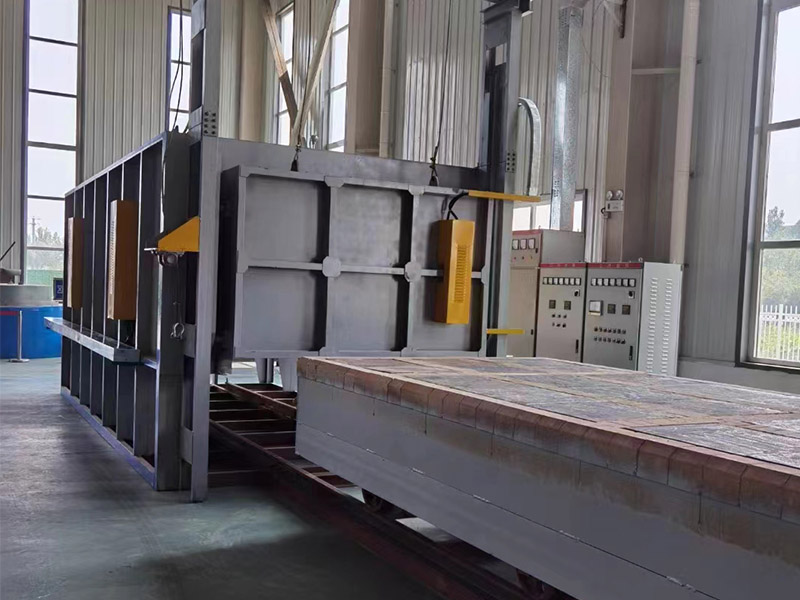
Judian provides foundry and heat treatment equipment for industrial production projects. To discuss a casting line configuration, buyers can contact the team with their production requirements and workshop conditions.