Selecting an annealing furnace is a process decision, not simply a question of chamber size. For foundry and metal-processing buyers, the right equipment must support the material, load shape, temperature range, handling method, and required production rhythm. This guide outlines a practical way to compare annealing furnace options, frame supplier questions, and build an equipment specification that supports consistent heat treatment without relying on unverified performance claims.
Define the material and the heat-treatment objective
Annealing cycles are shaped by alloy family, section thickness, prior processing, and the property being targeted. A supplier needs this process context to propose suitable temperature control, circulation, loading, and handling arrangements.
Start with the product range that the line must handle today, then note foreseeable variations in size or throughput. This prevents a specification from being too narrow for normal production changes or too broad for the actual duty.
Choose a furnace format that fits the load
Load geometry and movement strongly influence furnace selection. Coils, stacked parts, baskets, and long products may each require different charging access and temperature-uniformity approaches.
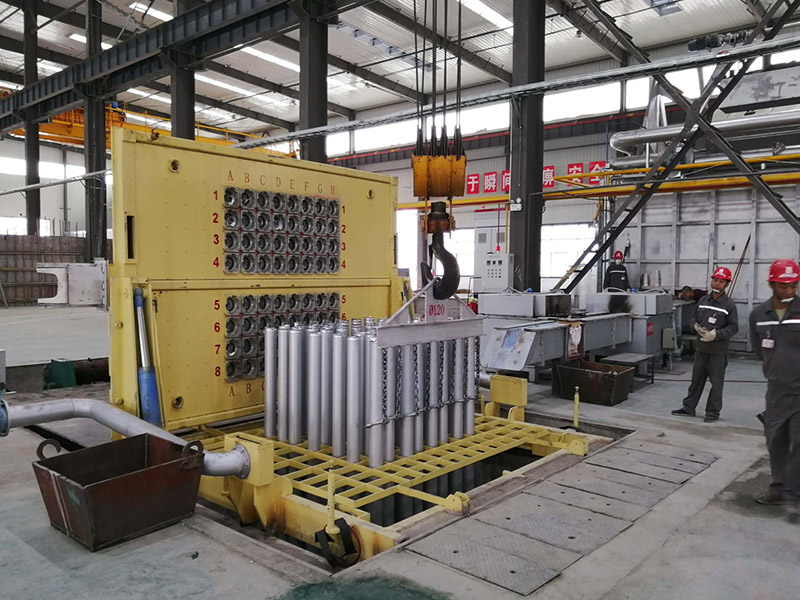
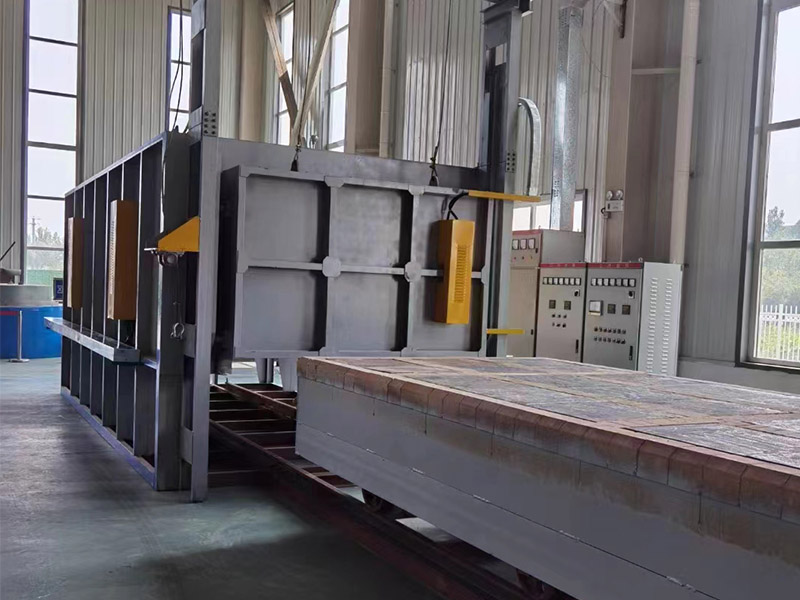
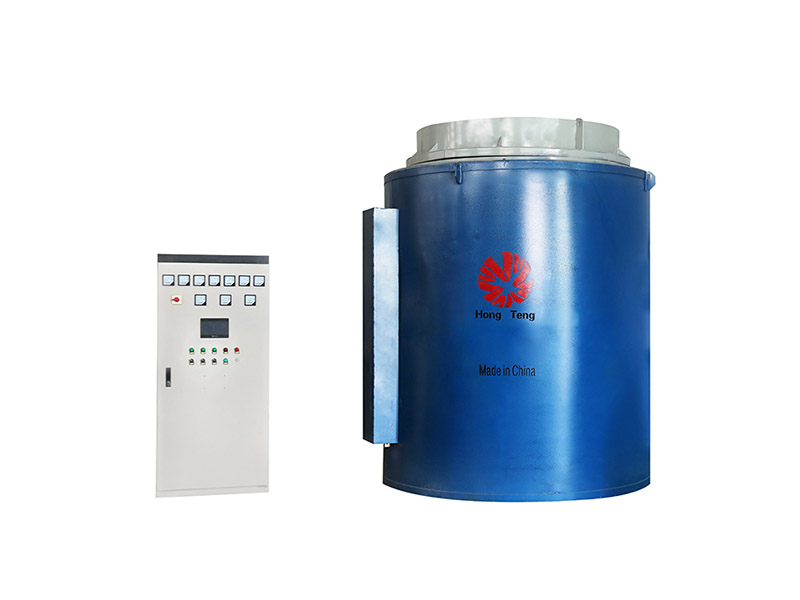
A bogie-type annealing furnace can be evaluated where a movable hearth suits heavy or awkward loads. For vertically loaded work and certain batch layouts, a pit-type annealing furnace may offer a more appropriate loading route.
Specify the heating cycle in usable terms
Rather than asking for a generic cycle, describe the required heat-up, soak, and cooling stages with the material and load condition attached. Temperature tolerance, recording needs, and the action required after an alarm should be stated clearly.
- Identify the target temperature range and how it is verified.
- State the largest and smallest planned load configurations.
- Clarify whether cooling is in-furnace, controlled externally, or transferred to another process.
These details make quotations more comparable and give engineering teams a clearer basis for commissioning discussions.
Consider handling and production flow together
An annealing furnace is only one station in the route. Loading equipment, staging space, transfer time, and safe operator access influence the actual output that a site can sustain.
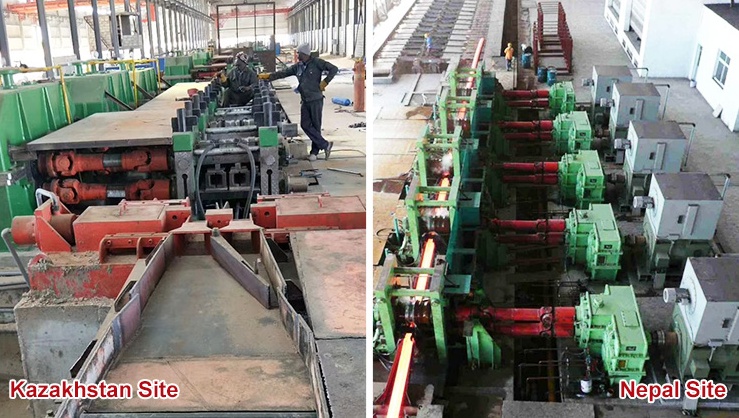
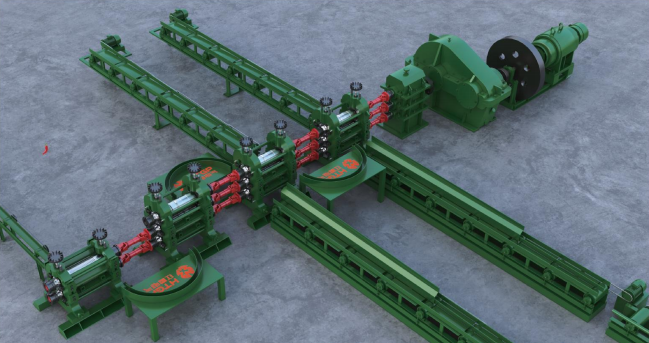
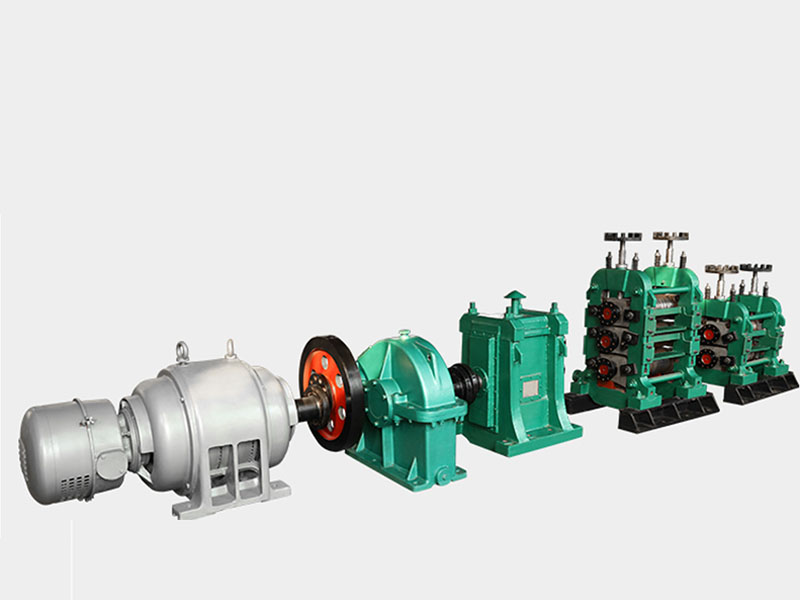
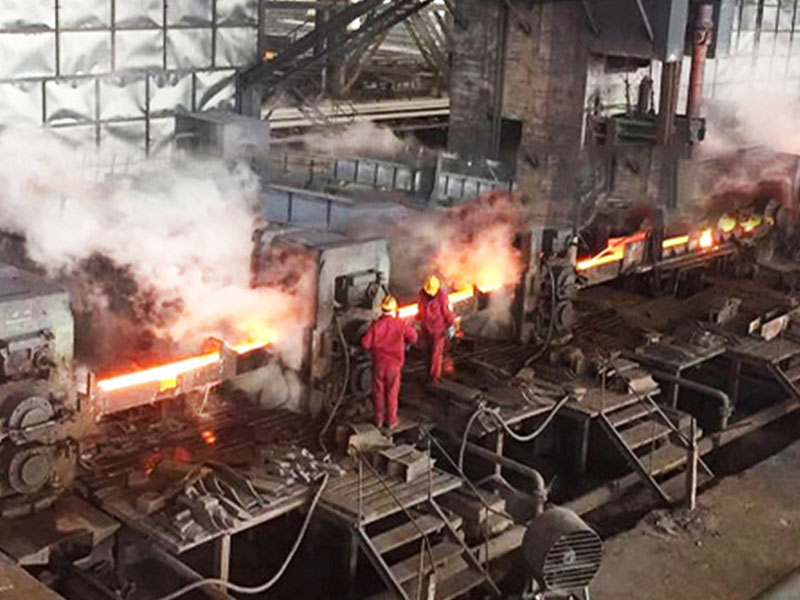
Where heat treatment sits beside rolling operations, review the upstream and downstream material flow with the continuous rolling mill equipment in mind. The objective is a compatible handoff, not an isolated equipment choice.
Ask suppliers for a transparent scope
A useful proposal explains what is included in the thermal system, controls, instrumentation, loading arrangement, and commissioning support. It should also make any assumptions visible so the buyer can confirm that the proposed design matches the intended duty.
| Review point | Question for the supplier |
|---|---|
| Load arrangement | How is the stated load positioned and supported? |
| Control system | Which temperatures are measured and recorded? |
| Maintenance access | Which components require routine inspection? |
Plan for stable operation after installation
Repeatable results depend on documented loading practice, cycle settings, calibration checks, and preventative maintenance. Establish ownership for these tasks before start-up so the process is not dependent on individual operator memory.
Buyers comparing complete process solutions should use the same disciplined approach across melting, casting, handling, and heat treatment. Each stage should have compatible loading, transfer, and control assumptions.
Move from a broad requirement to a focused enquiry
A concise brief containing material, load, cycle, throughput, space, and utility information gives suppliers the foundation for a relevant response. It also reduces the risk of receiving proposals that cannot be compared on equal assumptions.
To discuss an annealing or heat-treatment requirement, review the available engineering services and then contact the foundry equipment team with your production details.
Check atmosphere, cleanliness, and load protection
Material condition before and during annealing can influence the practical result. Buyers should describe whether surfaces require protection, whether the load carries lubricants or residues, and whether the process must limit oxidation or scale. The appropriate approach depends on the material and product requirement, so the supplier should explain the proposed atmosphere, sealing arrangement, and any related operating controls.
Load fixtures also deserve attention. Racks, trays, baskets, and supports should locate parts securely without creating avoidable distortion or preventing heat circulation. Request drawings or descriptions that show how the stated load is arranged, especially when products vary in length, thickness, or mass.
Build acceptance criteria into the purchase specification
Clear acceptance criteria help both parties prepare for commissioning. Set out which temperature records, safety checks, functional tests, and training activities are expected, while leaving final metallurgical validation to the buyer’s qualified process team. This avoids treating a generic equipment test as proof of performance for every future product.
Document the handover items: operating instructions, electrical and mechanical drawings, recommended maintenance intervals, spare-part guidance, and the contact route for technical support. A complete handover makes it easier for a production team to maintain consistent practice as shifts change and the product mix develops.
Use total process fit as the final comparison
When two furnace proposals appear similar, compare how each one fits the full production route. Consider loading time, floor space, utility connection, operator access, maintenance availability, and the ability to accommodate realistic load variation. The lowest initial price is not automatically the lowest operational burden.
A focused enquiry and a transparent supplier response make a stronger basis for selection than headline claims alone. By defining the duty, reviewing handling, and planning operating controls early, buyers can select annealing equipment that supports repeatable heat treatment and a workable day-to-day process.
Finally, qualify the proposed arrangement against representative production loads before establishing the standard operating procedure.