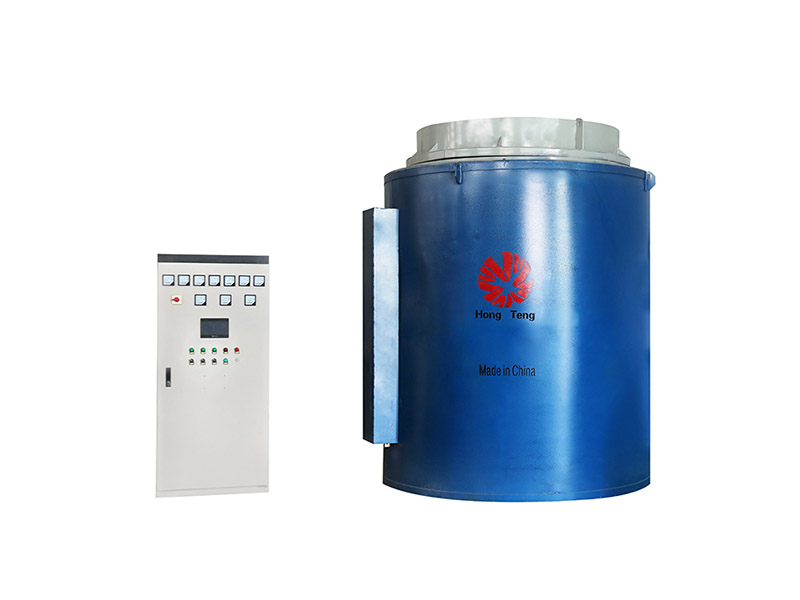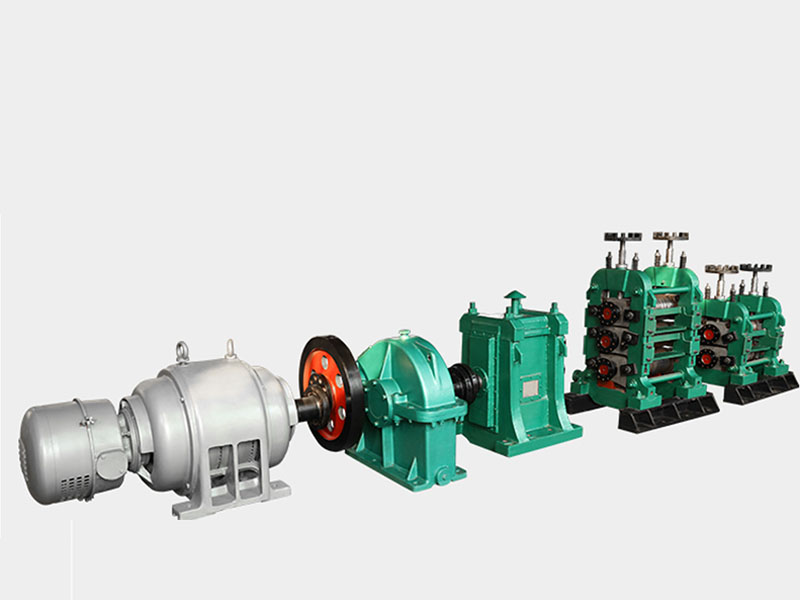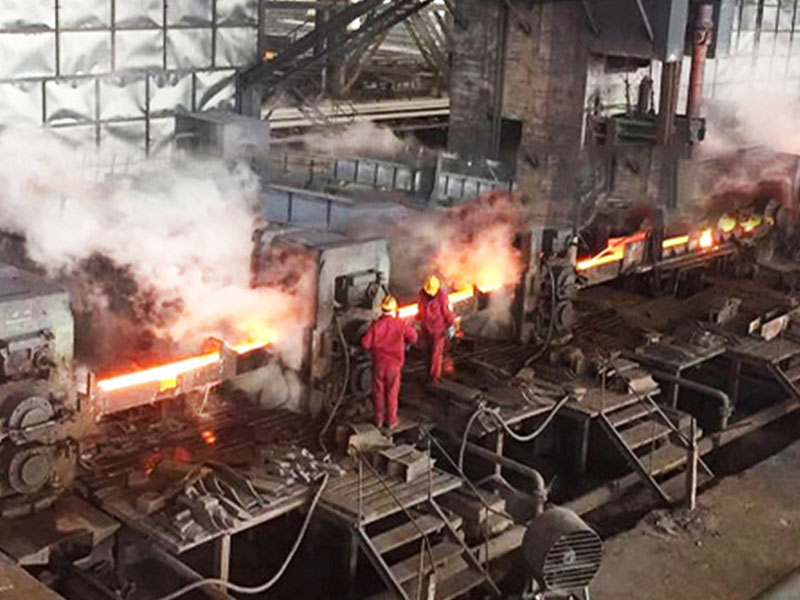
Quenching equipment must do more than cool a heated workpiece quickly. It must deliver a controlled, repeatable transfer from the heating stage to cooling while protecting people, parts, and the production schedule. This guide is for engineering and purchasing teams preparing a heat treatment system specification. It covers the part data, quench medium, handling, controls, safety, and maintenance decisions that determine whether a system can support consistent operating results.
Define the required material result
Start with the material condition the part must achieve. Hardness, microstructure, dimensional stability, distortion tolerance, surface condition, and downstream machining all influence the appropriate thermal route. Quenching is a process step rather than a complete description of the equipment required.
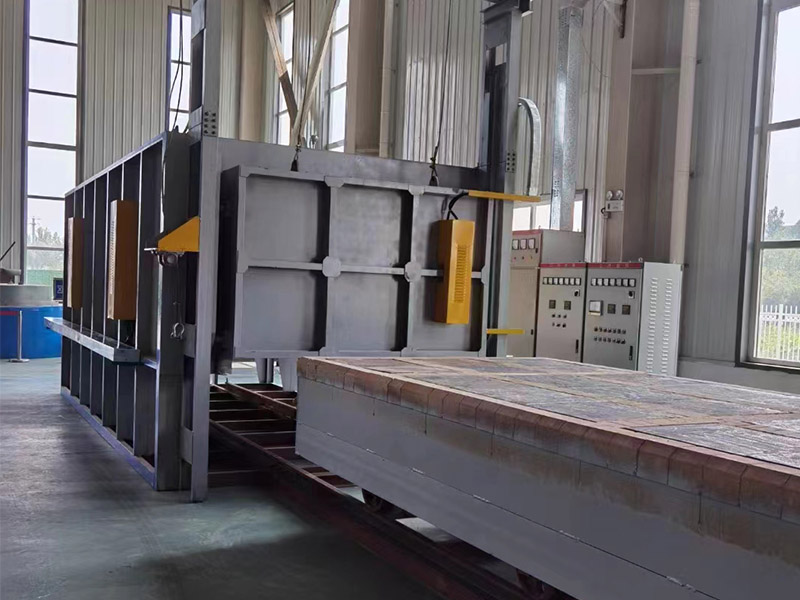
Document material grades, section sizes, load configuration, heating conditions, and production volume. This lets the team test whether proposed equipment can move and cool the work in a repeatable way. If annealing forms part of the route, consider the full cycle; selecting an annealing furnace for consistent heat treatment is a useful companion decision.
- Record part dimensions, mass range, geometry, and allowable distortion.
- State the material family and required properties after treatment.
- Identify batch or continuous flow, output target, and shift pattern.
Select the cooling method around the application
Water, polymer, oil, gas, air, and other cooling methods have different cooling behavior, handling needs, and risk profiles. The right choice depends on alloy, section thickness, target properties, distortion risk, and site controls. A faster quench is not necessarily better if it creates cracking, movement, or inconsistent hardness.
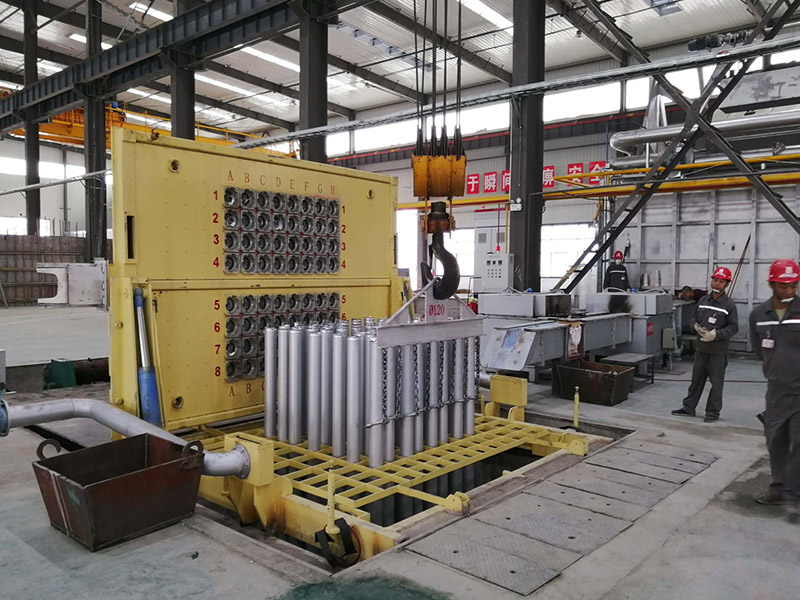
Ask for the proposed process envelope, including agitation or circulation, temperature control, filtration, cleanliness, and the limits within which the equipment can maintain repeatability. Review the complete quenching equipment solution, including tanks, pumps, controls, guards, and site interfaces.
| Specification topic | Why it matters |
|---|---|
| Quench medium | Determines cooling behavior, safety needs, and process controls. |
| Load movement | Controls transfer delay, immersion pattern, and repeatability. |
| Agitation | Helps manage cooling uniformity around complex loads. |
| Monitoring | Shows whether bath condition and process limits are being maintained. |
Control transfer time and load handling
The route from heating to cooling is often decisive. Delays, inconsistent loading, uneven immersion, and unstable movement can create variation even when the heating recipe is unchanged. Specify the transfer mechanism, operating sequence, and allowable handling variation for each important part family.
For batch work, review fixtures, baskets, hoist capacity, and the operator path. For lines, review accumulation, indexing, changeover, and recovery after a stoppage. The system should support normal production and planned inspection without creating unmanageable safety or quality risk.
Integrate heating and cooling controls
Quenching performance cannot be separated from heating uniformity, atmosphere, load spacing, and soak practice. Controls should make it clear how the batch moves from heat to quench and whether the relevant set points and alarms were met. Decide early which recipe and condition data need to be recorded.
Some applications require controlled atmosphere or low-oxidation handling before cooling. In those cases, compare the process need with a vacuum furnace for controlled heat treatment and verify the route with the material specialist.
Build safety and environmental controls into the scope
Hot workpieces, quench fluids, moving mechanisms, fumes, and electrical equipment need an integrated safety review. Identify guarding, emergency stops, interlocks, fire protection, ventilation, drainage, spill containment, and safe access before the layout is approved. The arrangement should allow observation and operation without unnecessary exposure to hazards.
- Confirm sensor locations and alarm actions for temperature, level, flow, and position.
- Plan isolation and maintenance procedures for pumps, fans, conveyors, and handling devices.
- Assign supplier and plant responsibilities for utilities, media management, and emergency response.
Verify repeatability and lifecycle support
Commissioning should use representative loads, defined observations, operator training, and procedures for abnormal conditions. A useful control system links the recipe, load identity, heating cycle, transfer action, and quench conditions in a format the team can troubleshoot. For plants linking thermal processing to billet flow, continuous casting machine selection for billet production provides helpful context on material-handling interfaces.
Compare proposals on commissioning support, documentation, recommended spares, preventive maintenance, and service access as well as purchase price. When you have your part data, process route, production volume, and utilities defined, contact our heat treatment equipment team for a focused discussion of a practical quenching system.