A continuous casting machine turns molten metal into billets, blooms, slabs, rods, or other semi-finished forms through a controlled, continuous process. For engineering and procurement teams, selection influences product quality, line stability, maintenance access, and how effectively melting connects with downstream rolling or finishing. This guide provides a practical framework for comparing a continuous casting machine without treating nominal capacity as the only decision. It focuses on product fit, process interfaces, controls, commissioning, and the questions that make an equipment proposal workable in production.
Define the cast product first
Selection starts with the required output: material grade, section shape, dimensional range, surface expectation, and downstream use. A line feeding a rolling mill has different priorities from a line producing specialty sections or non-ferrous products. Document the expected product mix and likely future changes before comparing layouts.
Also determine whether the line will run one product for long periods or require frequent grade and section changes. That answer affects mould design, strand arrangement, changeover planning, consumables, and the automation functions worth specifying.
Understand the connected process sections
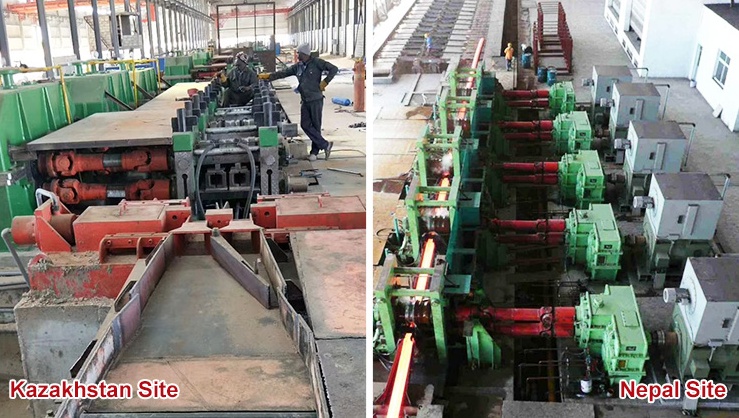
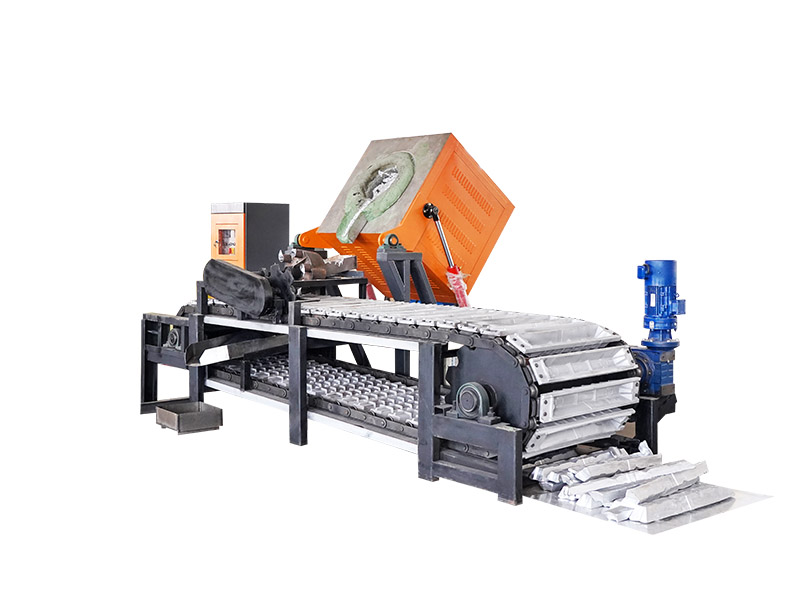
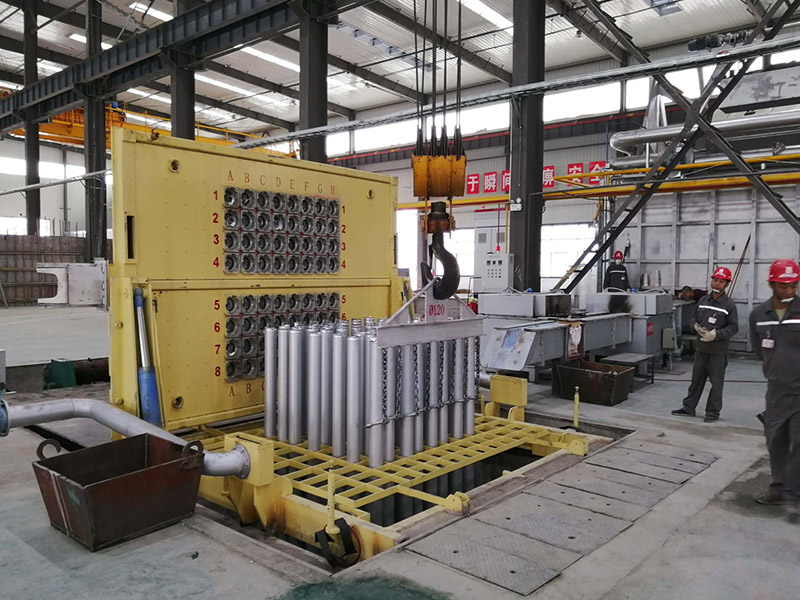
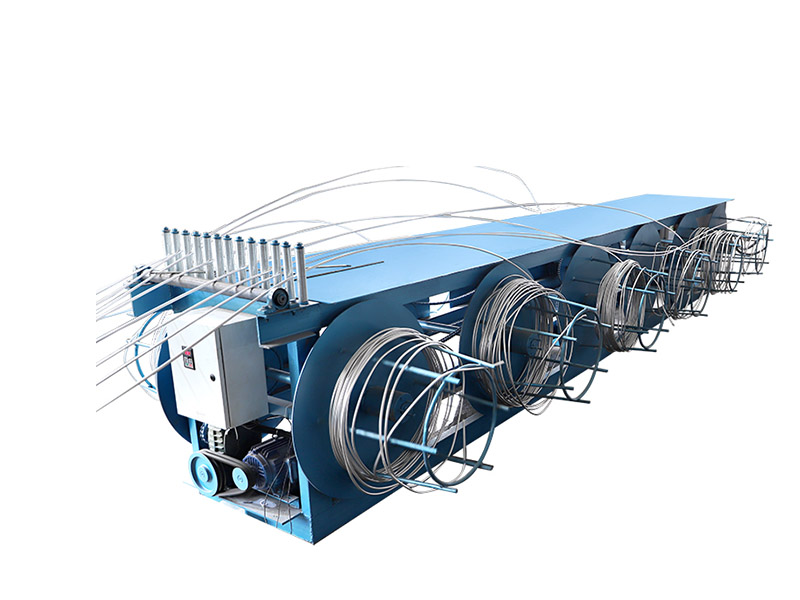
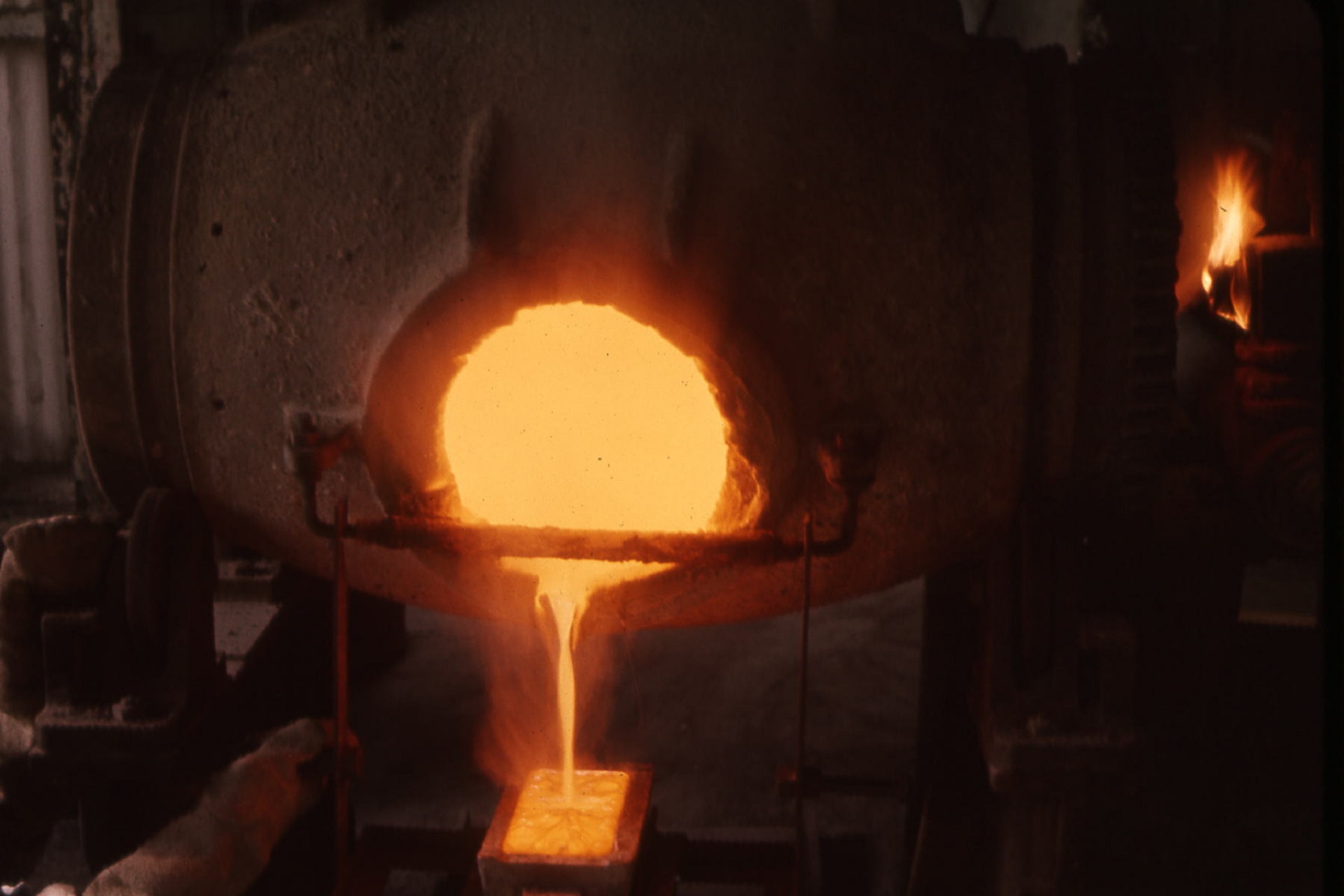
A continuous casting machine coordinates metal delivery, mould solidification, secondary cooling, withdrawal and straightening, cutting, and discharge. These are linked stages, not independent machines. Stable metal supply and controlled cooling are central to repeatable operation, so the review should include the interfaces as well as the caster itself.
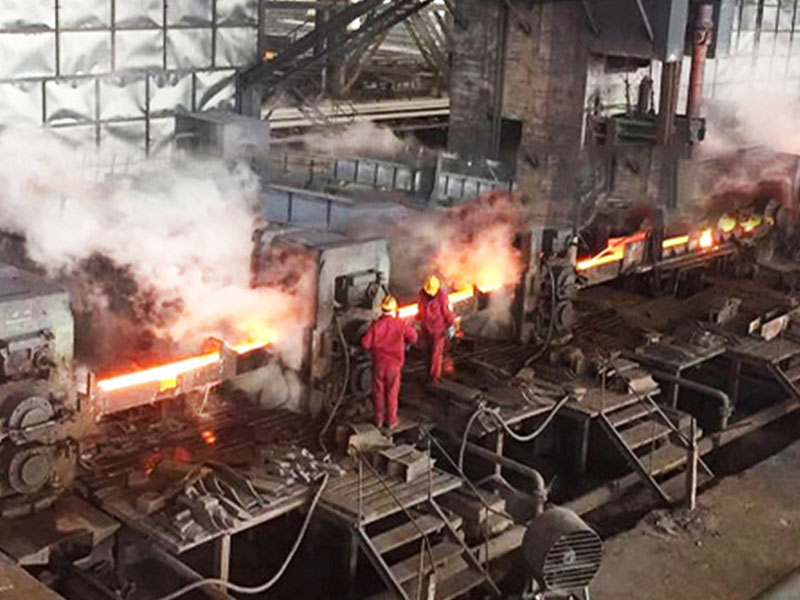
For steel projects, assess the full steel billet continuous casting production line scope, including transfer routes, utilities, and the intended billet destination.
Choose layout, strands, and capacity together
Vertical, curved, and vertical-bending designs have different space, maintenance, and process considerations. The appropriate arrangement depends on product geometry, site elevation, crane coverage, operating practice, and planned access for maintenance. A multi-strand concept may support throughput, but it also requires consistent control and practical access around every strand.
- Use annual output and shift pattern to define a realistic operating rate.
- Review footprint, elevation, crane paths, and maintenance clearance early.
- Include start-up, grade change, and planned-maintenance time in capacity planning.
Specify cooling and automation for control
Cooling is not only a utility requirement. Water quality, flow control, spray-zone arrangement, measurement points, and alarm philosophy affect repeatability and equipment life. A supplier proposal should identify the utility boundary and the conditions the plant must supply.
Automation should help operators run and maintain the line. Clear process displays, trend records, interlocks, and useful fault diagnostics generally add more value than features that cannot be supported locally. Align control scope with training, electrical standards, and the plant’s maintenance capability.
Prepare the metal-delivery interface
The caster cannot compensate for an unstable upstream process. Define the ladle or transfer arrangement, temperature-measurement practice, refractory interfaces, and procedures for normal and exceptional metal delivery. Map responsibility at every handover point between melting, casting, and maintenance teams.
For a new installation, review floor traffic, crane availability, emergency access, and safe consumable movement. A layout that appears efficient in a drawing can be difficult to operate if routine handling has been overlooked.
Connect casting to the next production step
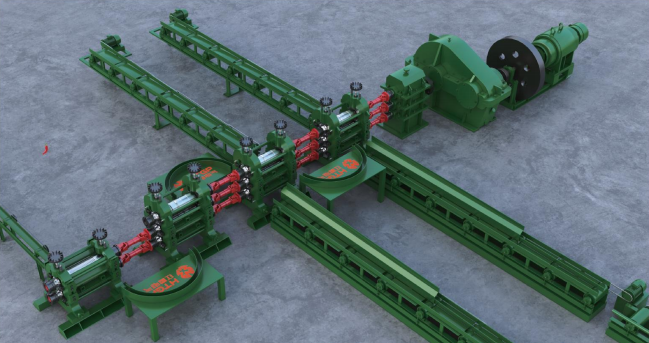
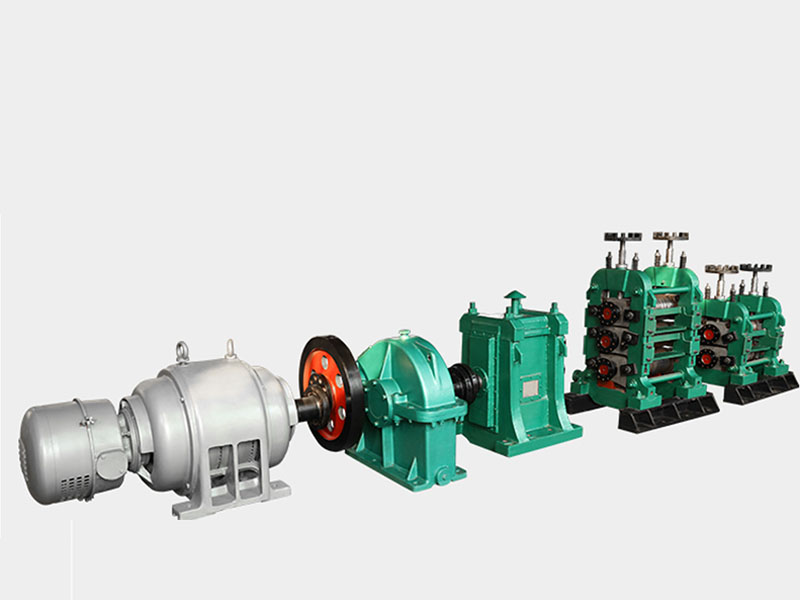
A caster delivers value when its output fits the following operation. If billets transfer directly to rolling, assess transfer temperature, buffer capacity, discharge orientation, and handling equipment. A planned link to a continuous rolling mill can reduce unnecessary handling and support a coordinated production route.
Where output will be stored or finished later, identify cooling beds, inspection points, marking, bundling, and internal logistics. These interfaces are often omitted from an initial machine list but have a large effect on daily flow after commissioning.
Evaluate reliability and maintenance access
Ask how routine work will be performed around the mould, cooling circuits, rollers, drives, and cutting equipment. Access platforms, lifting provisions, spare recommendations, and diagnostic functions deserve review before purchase. A maintainable design helps teams inspect and correct conditions safely.
| Review area | Question for the supplier |
|---|---|
| Product range | Which sections and grades can the proposed mould and strand design support? |
| Utilities | What water, power, air, and treatment conditions are required? |
| Maintenance | How are rollers, sprays, drives, and mould parts inspected or replaced? |
| Integration | How will the caster connect to melting, transfer, and rolling? |
Plan mould and consumable management
Mould-related consumables and maintenance parts need an operating plan, not only an initial purchase order. Identify inspection cycles, storage conditions, change procedures, tools, initial spares, and lead times. Documented condition checks help distinguish normal wear from a change that needs action.
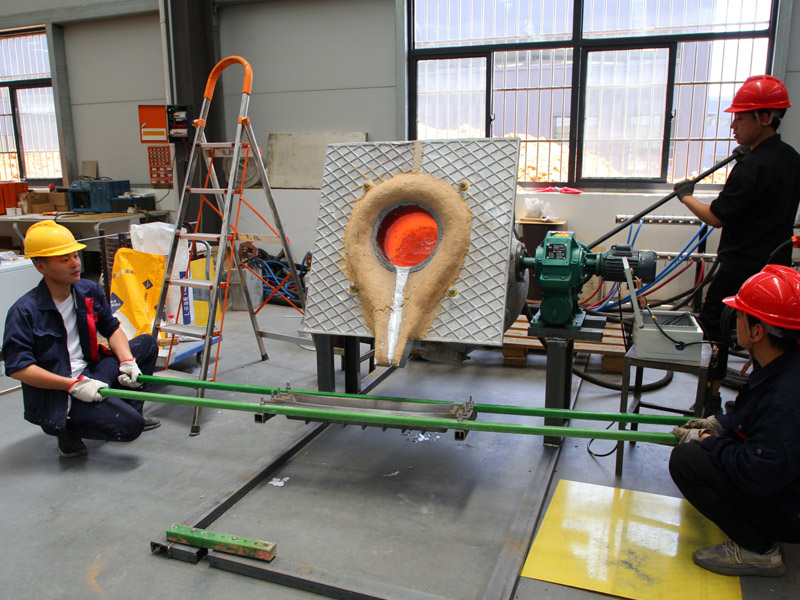
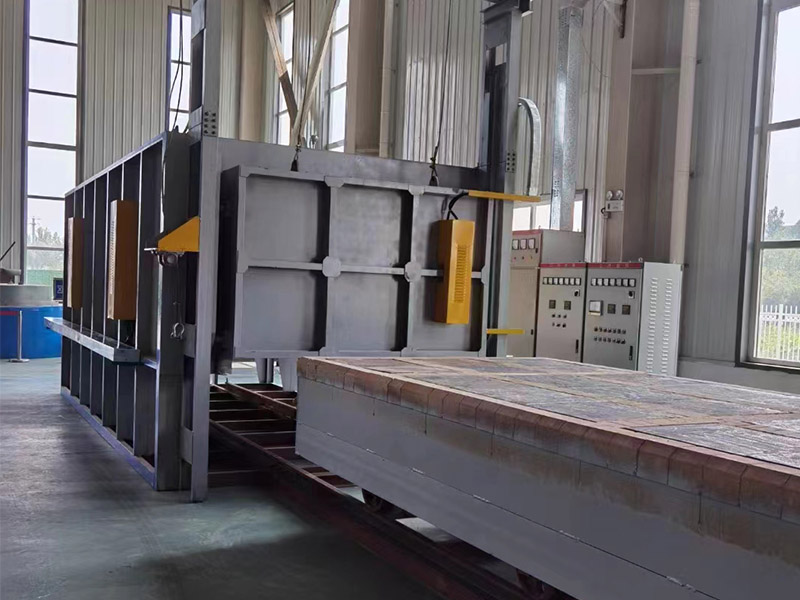
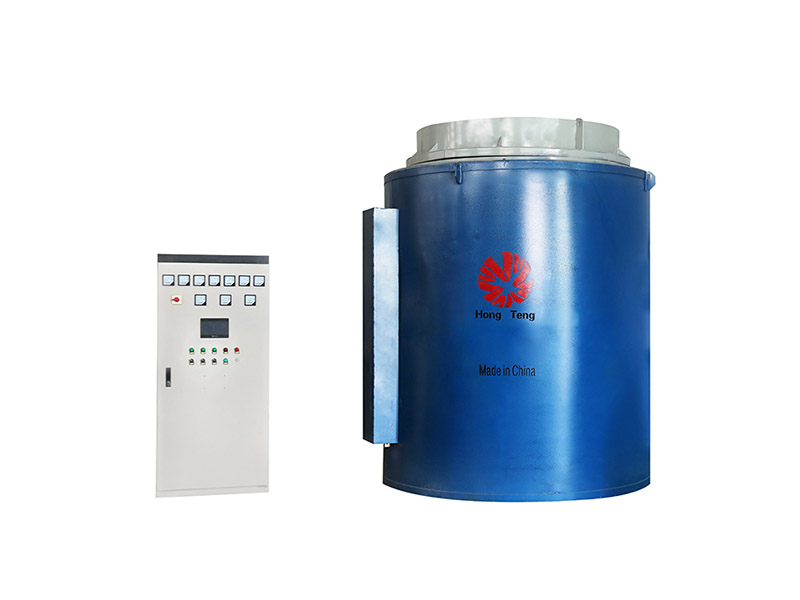
Upstream equipment matters here as well. The selected steel-shell melting furnace should be considered with the metal-delivery and production-control plan.
Use acceptance criteria that reflect production
Commissioning scope should define the product, measurement method, operating conditions, and duration of any performance demonstration. Nominal capacity alone is not sufficient; a useful test reflects the agreed product range, utilities, personnel, and process boundaries. Record any owner-supplied assumptions before installation begins.
- Confirm which sections and grades are included in the test scope.
- Assign responsibility for utilities, raw materials, operators, and measurement tools.
- Agree how deviations, corrective actions, and final handover will be recorded.
Conclusion
The best continuous casting machine fits the product, plant, operating team, and downstream route-not simply the largest nominal output. Define the product, test every interface, and make maintenance and commissioning part of the decision. For support reviewing an integrated casting project, contact our production-line specialists.
Build operating readiness before start-up
Before first heat, confirm that operators, maintenance personnel, and utilities teams understand their responsibilities and escalation routes. Walk through normal start-up, planned stops, alarm response, and communication between upstream melting and downstream handling. This preparation reduces avoidable interruptions while the new line is being stabilized.