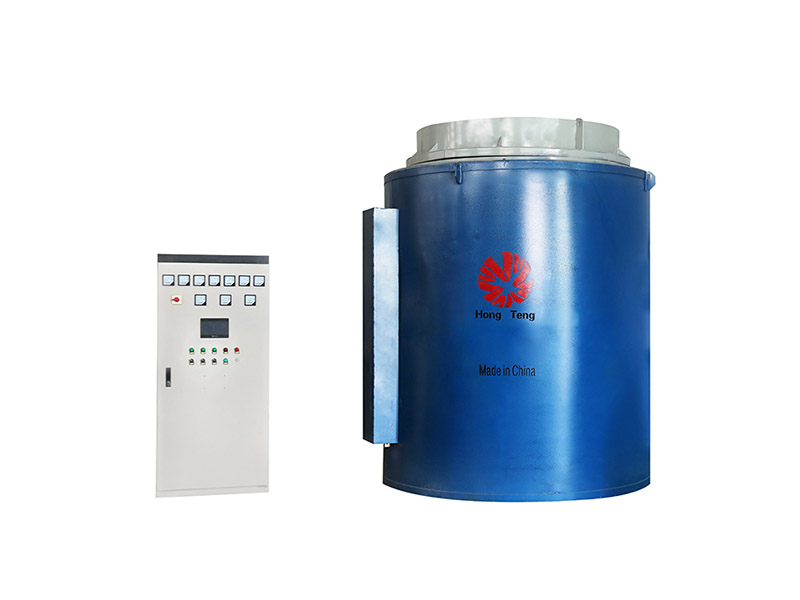
A steel billet heating furnace must fit the complete route from billet arrival to rolling or forging. This guide helps production and procurement teams evaluate capacity, billet condition, thermal control, material handling, and service access before defining a furnace project.
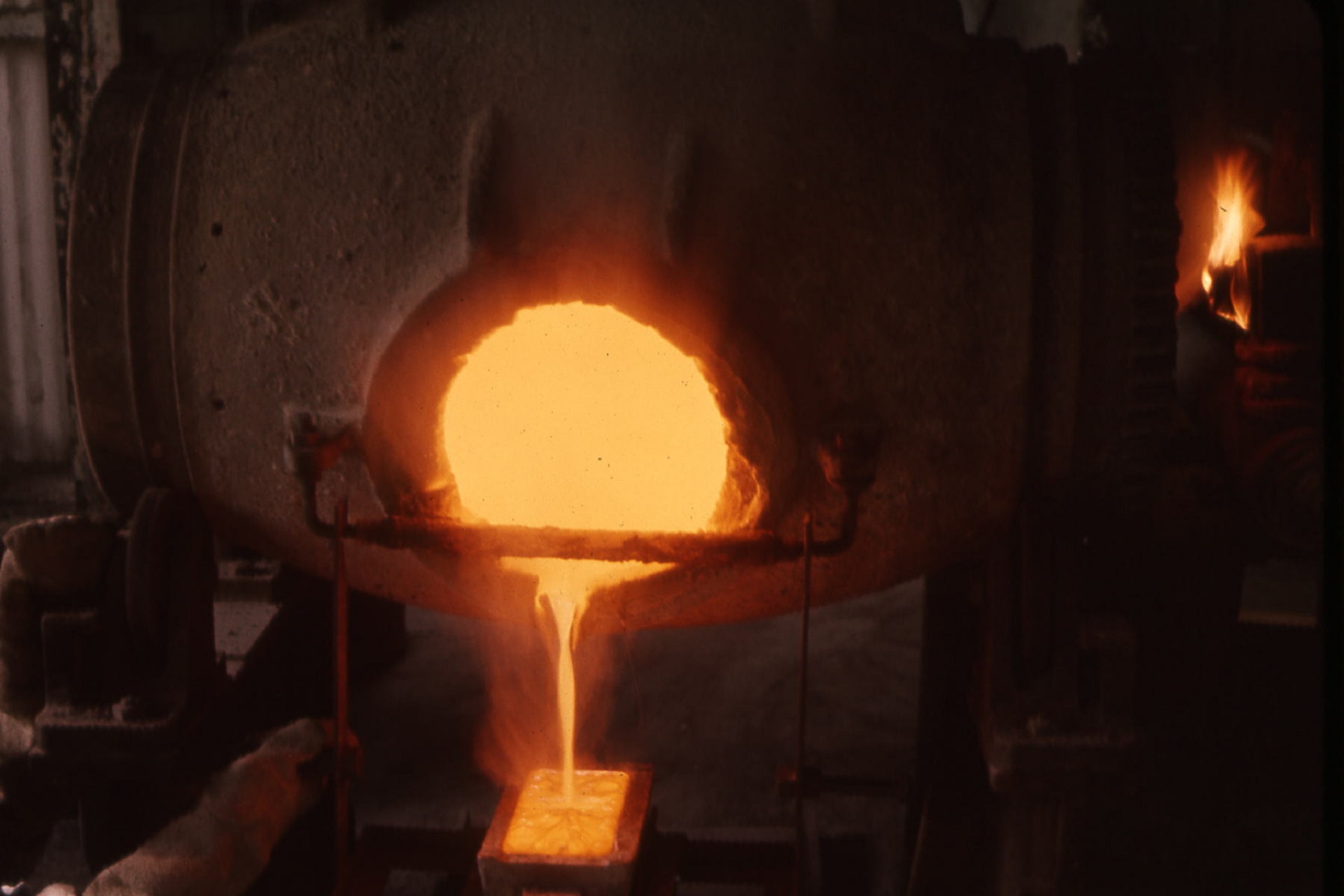
Define the billet and production target
Start with billet section, grade range, incoming temperature, target discharge condition, throughput, and shift plan. These inputs determine the required heating route and help distinguish usable capacity from a headline rating.
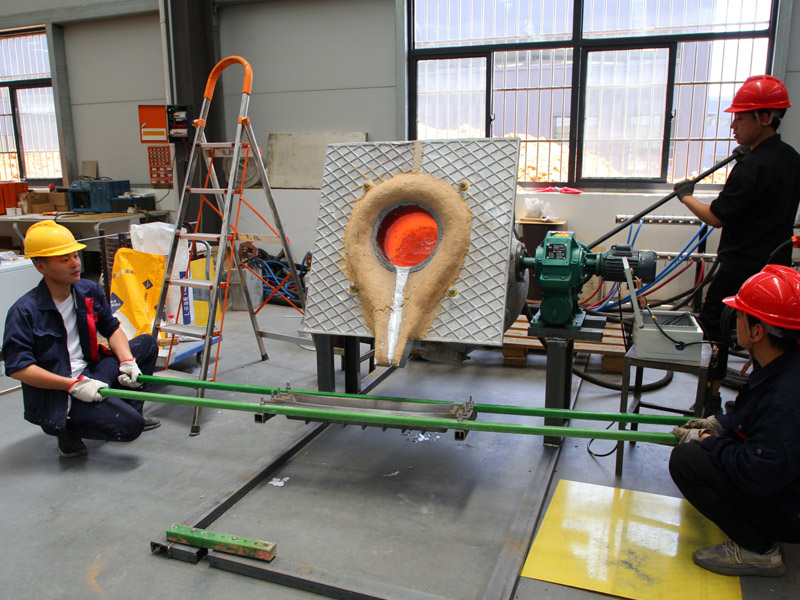
steel billet heating furnace product scope
Coordinate heating with downstream flow
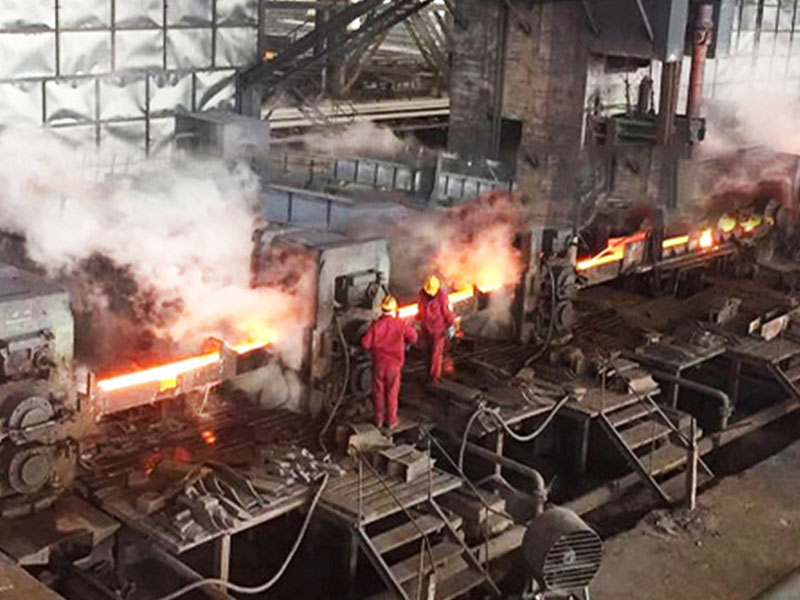
The furnace should match rolling-mill or forging demand, including normal delays and planned changes. Consider charging, discharge, accumulation, and how a temporary downstream stop will be managed safely.
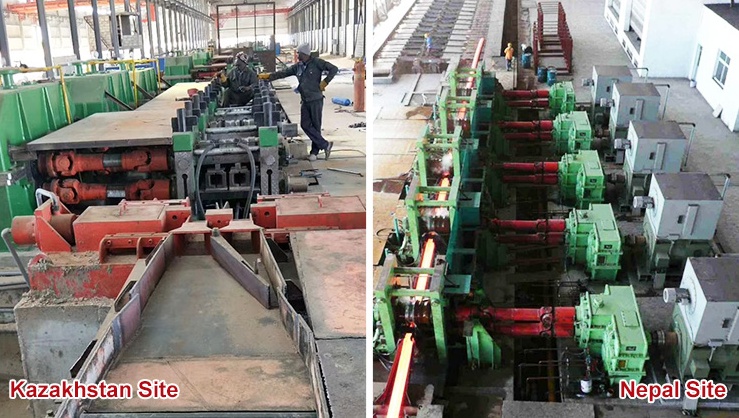
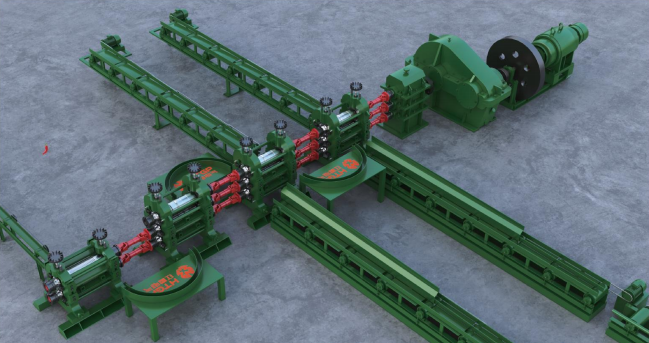
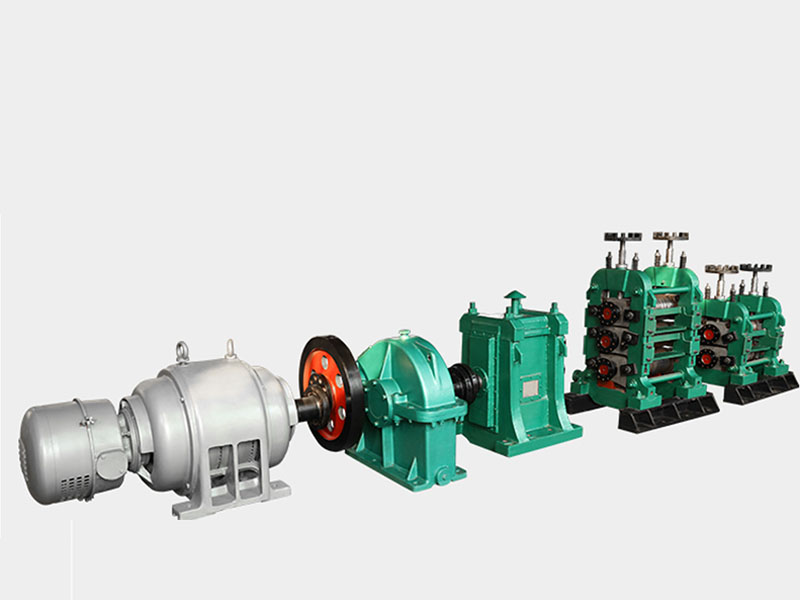
continuous rolling mill integration
Specify temperature control and handling
Uniformity, measurement position, control response, and billet movement all influence downstream stability. Include sensor access, controls, guides, and transfer equipment in one technical review.
| Review area | What to confirm |
|---|---|
| Process condition | Define the normal operating range and the action when it is exceeded. |
| Interfaces | Confirm utilities, handling, controls, and maintenance ownership. |
| Verification | Assign measurable checks before, during, and after production. |
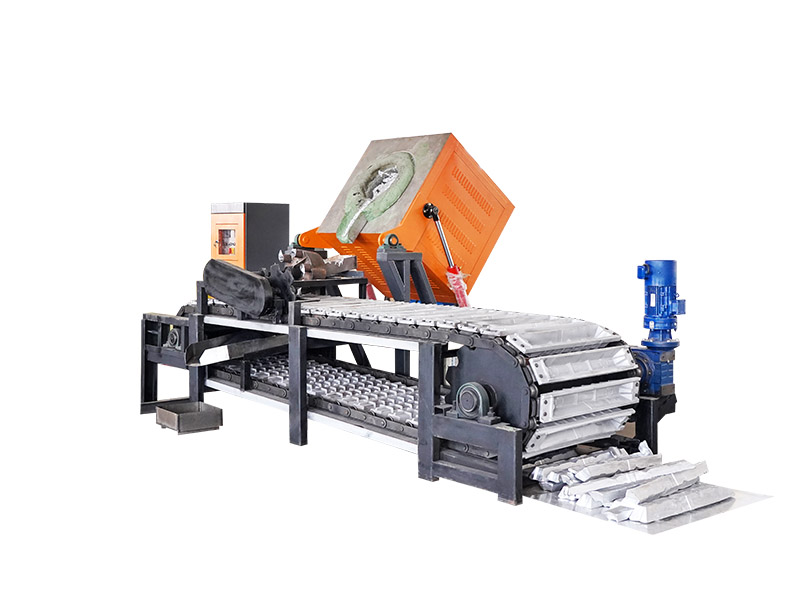
billet production equipment selection guidance
Review utilities and lifecycle support
A complete proposal identifies electrical or fuel interfaces, cooling, extraction, controls, safety devices, commissioning work, spares, and maintenance access. Early cross-functional review reduces late layout changes.
- Record the required material, size, output, and quality target.
- Review utilities, equipment access, safety controls, and maintenance points together.
- Use commissioning trials to confirm the agreed operating sequence.
equipment services and support
Turn the process brief into an equipment plan
A practical process brief produces a better comparison among equipment proposals. Contact the team with your billet range, output target, line layout, and available utilities.
contact our rolling equipment team
Plan commissioning around representative billets
Commissioning should use billet sizes and grades that represent normal production. Confirm heating response, discharge condition, transfer sequence, operator access, and the information shown by the control system. A trial should also test what happens when upstream supply varies or when downstream rolling pauses.
Define acceptance observations before the first production campaign. This creates a common reference for the equipment supplier, process team, maintenance group, and safety representatives. It also identifies any layout or utility changes while they are still manageable.
Maintain the conditions that support stable heating
Heating quality is sustained through routine attention to temperature sensing, combustion or electrical systems, insulation, drives, guides, cooling, and material-handling equipment. Operators need clear checks for ordinary shifts, while maintenance teams need planned isolation and access for deeper inspection.
Trend the practical data that relates to production: billet throughput, time in the furnace, control response, stoppages, and maintenance observations. Reviewing this information after changes in billet range or output target can expose constraints before they affect the rolling schedule.
Account for variation in real production
A billet heating plan should be tested against the variation that will occur in service. Billet temperature at arrival, size changes, grade changes, mill pacing, and planned maintenance can all influence furnace loading. A realistic operating plan identifies which variations can be absorbed by normal controls and which require a revised schedule or setup.
Use a shared production brief so that furnace operators, mill operators, maintenance, and planning staff are working from the same output target. The brief should state assumptions on billet supply, discharge sequence, and what will happen during delayed rolling. This makes coordination more reliable than relying only on local adjustments.
Specify inspection and maintenance access
Temperature sensors, heating elements or burners, drives, guides, refractory surfaces, and material-handling mechanisms require safe inspection. Include access platforms, guarding, lockout points, lighting, and lifting provisions in the scope. A furnace that is hard to inspect is harder to keep stable over a long campaign.
Define routine maintenance tasks and the evidence that closes them. Trending outages, heating time, sensor checks, and operator observations helps the team decide where to focus attention. These records also provide a practical baseline when the billet program or rolling demand changes.
Use acceptance criteria that reflect the whole line
Final acceptance should consider safe handling, control response, the required material flow, maintainability, and interfaces with downstream equipment. A single heat demonstration is useful, but it should be accompanied by clear documentation, training, and a defined path for support after handover.
Keep the project scope connected
The heating furnace, material handling, controls, utilities, and downstream rolling route should be reviewed as one production system. This avoids a technically correct furnace becoming a bottleneck because the surrounding interfaces were omitted. A final walkthrough before handover should confirm that operators can safely use, inspect, and maintain every key part of the installation.
Consistent steel billet heating comes from matching the furnace to the actual billet program and production rhythm. Clear responsibilities, useful operating records, and planned maintenance help the line continue to meet that target as demand changes.