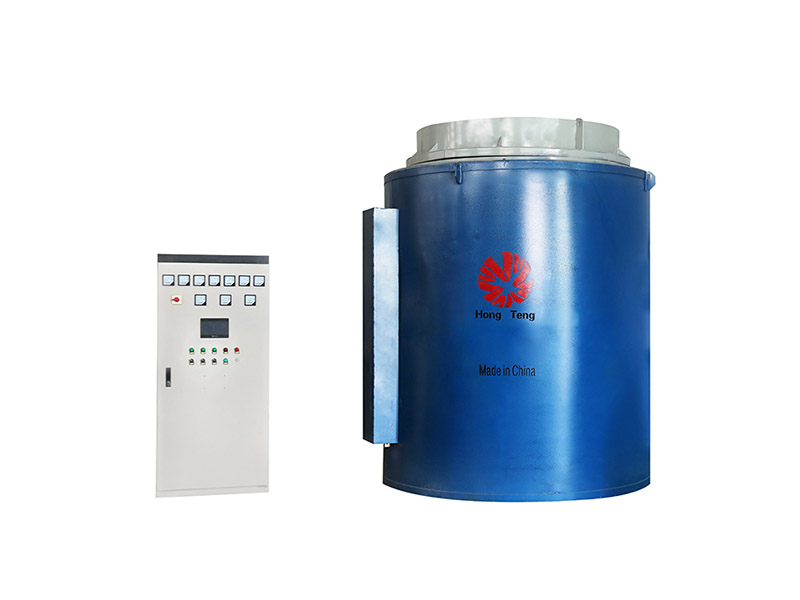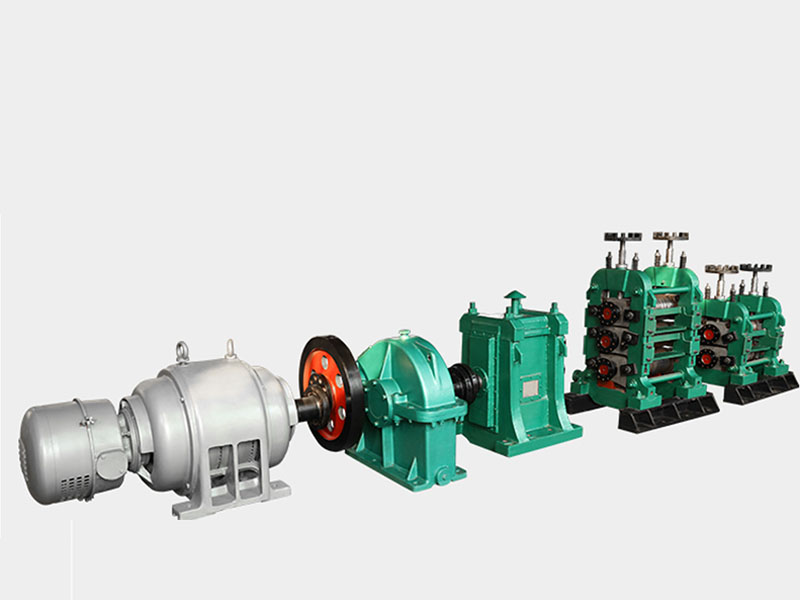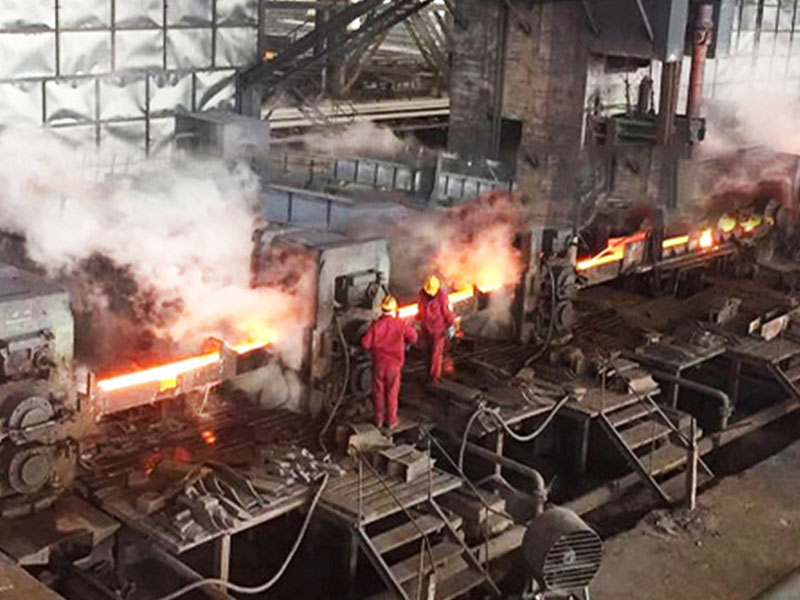
Heat treatment equipment has to deliver a repeatable thermal process while fitting the production flow around it. For purchasing and engineering teams, the right choice depends on the parts, material condition, required process, batch pattern, handling method, utilities, and traceability needs. A clear specification helps avoid a furnace that is capable on paper but awkward in daily operation.
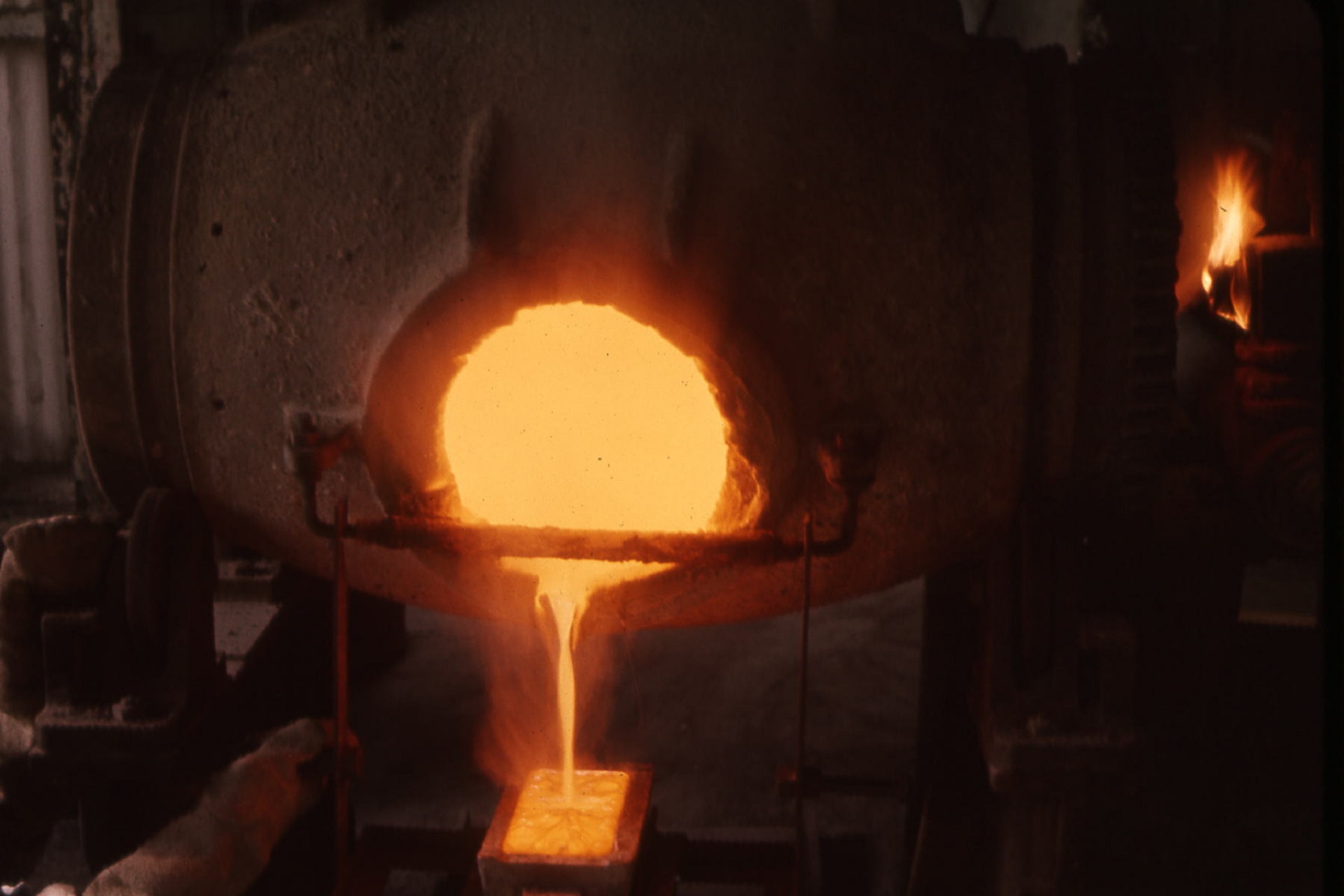
Define the process before selecting the machine
State the material, part geometry, loading arrangement, process temperature range, soak time, atmosphere requirements, quench method, and permitted distortion. Also define the planned throughput and the variation between normal and peak production. These inputs shape the choice of chamber, pit, bogie, continuous, or integrated quench arrangement.
A useful request for quotation describes the process objective rather than only requesting a furnace size. It gives suppliers enough context to identify issues such as uneven loading, transfer time, or parts that need special fixtures.
Match the furnace format to material flow
Batch equipment can be effective where part families change frequently or loading flexibility matters. Continuous equipment can support a more stable sequence where handling, speed, and temperature zones are coordinated. The decision should include the loading and unloading area, transfer equipment, safety separation, and the space required for maintenance.
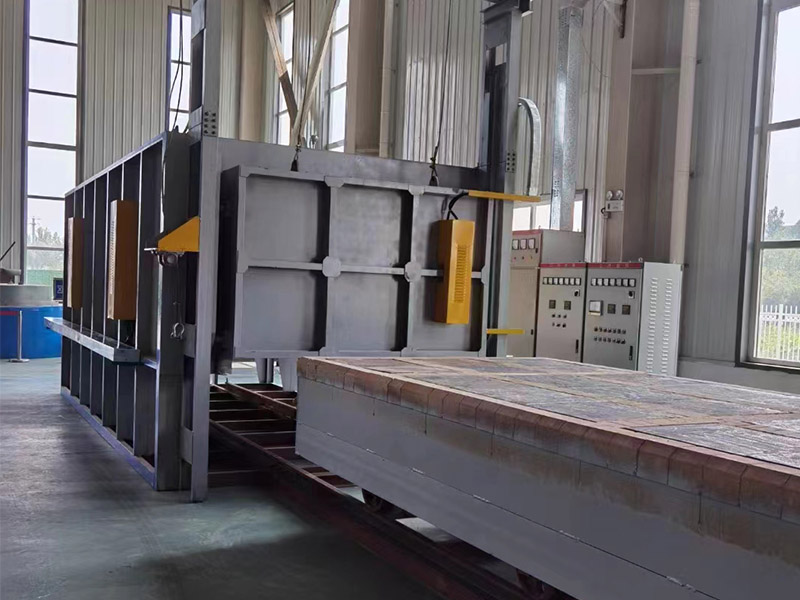
For larger or awkward loads, a bogie-type annealing furnace may be relevant to the layout discussion.
Specify temperature control and measurement
Repeatability depends on more than the displayed setpoint. Ask how the control system manages zones, sensors, circulation, recording, alarms, and calibration. The required approach depends on the process and the customer’s quality system, so the specification should state what needs to be measured and retained without inventing requirements that do not apply.
| Area | What to clarify |
|---|---|
| Load | Maximum weight, dimensions, fixture design, and usable work zone. |
| Process | Temperature range, uniformity expectations, time at temperature, and atmosphere where needed. |
| Records | Required charts, data export, alarms, and operator access. |
Integrate quenching and transfer safely
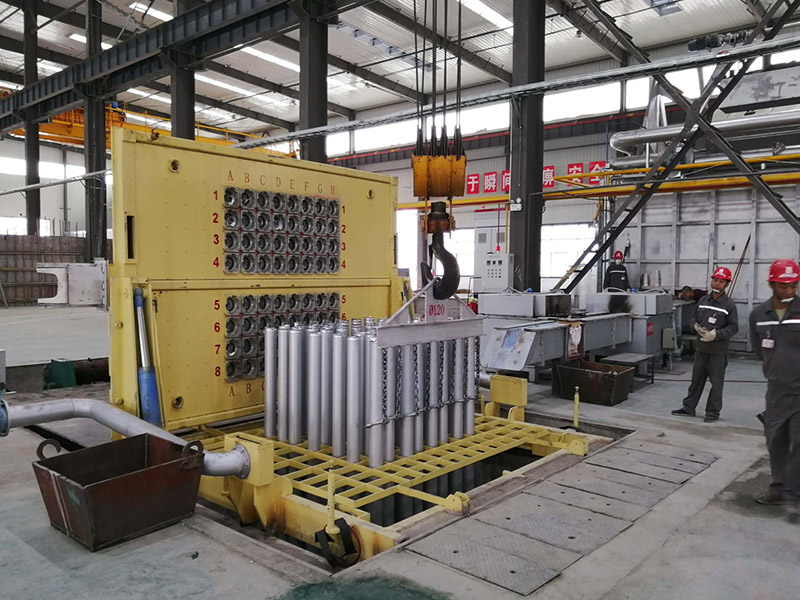
When the process includes quenching, the transfer path, timing, containment, ventilation, and operator protection deserve the same attention as the heating chamber. The medium, tank capacity, circulation, temperature management, and load handling should be evaluated with the metallurgical process owner. A quenching equipment configuration should be selected as part of the complete cell.
Review utilities and operating cost
Electrical supply, fuel where applicable, cooling, compressed air, exhaust, and floor loading may influence the installed solution. Request a clear list of utility conditions and identify what is supplied by the equipment vendor and what remains with the site. Energy use should be considered with insulation, loading practice, idle time, heat recovery possibilities, and the actual production schedule.
Maintenance access is equally important. Heating elements, fans, doors, seals, thermocouples, refractory, drives, and controls should be accessible without creating prolonged production interruptions.
Build an acceptance and support plan
Before ordering, agree how the equipment will be commissioned and accepted. The plan can cover installation checks, safety functions, controls, operator training, process trials, documentation, and handover responsibilities. This keeps procurement, engineering, and operations aligned when the system arrives.
- Document the required process and load range.
- Review handling and quenching interfaces with the furnace supplier.
- Include maintenance, spares, training, and records in the total scope.
Prepare a complete request for quotation
Heat treatment equipment selection is strongest when the supplier receives a practical process brief and the site evaluates the complete installed system. For help translating your process and throughput requirements into a project scope, review heat treatment equipment services or contact our engineering team.
Plan loading and fixtures with the process owner
Loading has a direct effect on heat transfer, cycle time, distortion risk, and safe material movement. Describe baskets, trays, fixtures, pallets, or other carriers in the request for quotation, including their weight and whether they enter the process with the parts. The supplier can then account for the thermal mass and usable workspace rather than sizing the furnace around empty dimensions.
Develop a repeatable loading instruction during commissioning. It should show orientation, maximum stack height, separation where needed, and the points where the operator must inspect the load. Consistent loading simplifies process control and helps the team identify when a batch differs from the approved operating condition.
Consider atmosphere, extraction, and workplace interfaces
Some heat-treatment routes require a defined atmosphere, controlled exhaust, or additional ventilation. Others mainly require suitable extraction, heat shielding, and safe work zones. State these needs clearly and review ducting, access doors, emissions responsibilities, and building interfaces before equipment arrives. This avoids a late change that compromises either process access or operator safety.
Where several pieces of equipment share an area, coordinate controls and material routes. The furnace, quench station, wash system, inspection area, and storage should have a sequence that can be understood by operators and supervisors. A good layout also allows maintenance staff to isolate an item without making the whole line inaccessible.
Review performance after handover
After the initial production period, compare the actual process against the original specification. Review cycle time, energy use, handling delays, alarm history, operator feedback, maintenance needs, and any variation in load condition. This structured review provides a sound basis for small adjustments and helps retain the knowledge gained during commissioning.
Maintain a usable operating standard
Keep the approved loading method, normal control settings, inspection points, and escalation contacts available to every shift. A simple, current operating standard helps the team protect process consistency while giving engineering a clear baseline for future improvements.