Foundry dust collection equipment should be specified as a process system, not as a stand-alone collector. Sand preparation, molding, shakeout, finishing, charging, and pouring can each create different particle loads, temperatures, and capture challenges. A practical selection process starts by mapping where dust is generated, how it moves through the building, and what operating conditions the equipment must tolerate. This guide helps purchasing and engineering teams define the information needed to plan a reliable dust collection system for a casting operation.
Map the dust sources before selecting equipment
Begin with a simple process map. Identify every operation that releases dust or fines, including transfer points, sand handling, mold shakeout, blasting, grinding, charging, and refractory work. Note whether each source is continuous or intermittent and whether it is enclosed, partially enclosed, or open to the work area.
This mapping prevents a common mistake: sizing a collector from a rough building area rather than from the capture points. It also helps distinguish nuisance dust from sources that may need closer review because of heat, sparks, moisture, or abrasive loading.
Define the material and air conditions
Dust properties influence hood design, duct velocity, collector media, hopper arrangement, and maintenance access. Record the likely particle type, moisture behavior, bulkiness, and any tendency to build up. For hot processes, document the expected gas temperature at the pickup point and the range during upset conditions.
Do not assume one collector design fits every foundry zone. A system serving dry sand may have different needs from one serving finishing dust or furnace fumes. Share the process data with qualified system designers so the proposal reflects the application rather than a generic airflow number.
Design capture at the source
Good collection begins with effective capture. Hoods, enclosures, pickup points, and operator access must work together so dust is controlled where it is produced. Long duct runs cannot compensate for a hood that is too far from the source or an opening that allows air to bypass the intended capture zone.
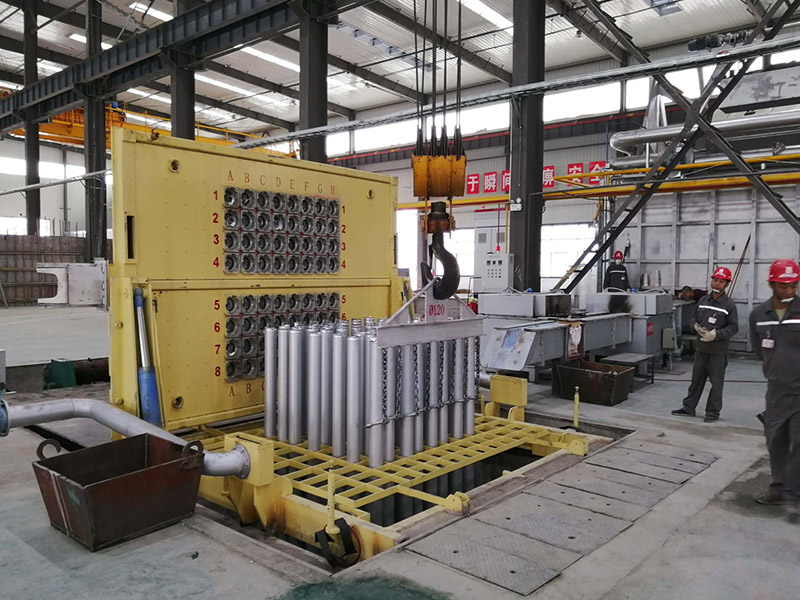
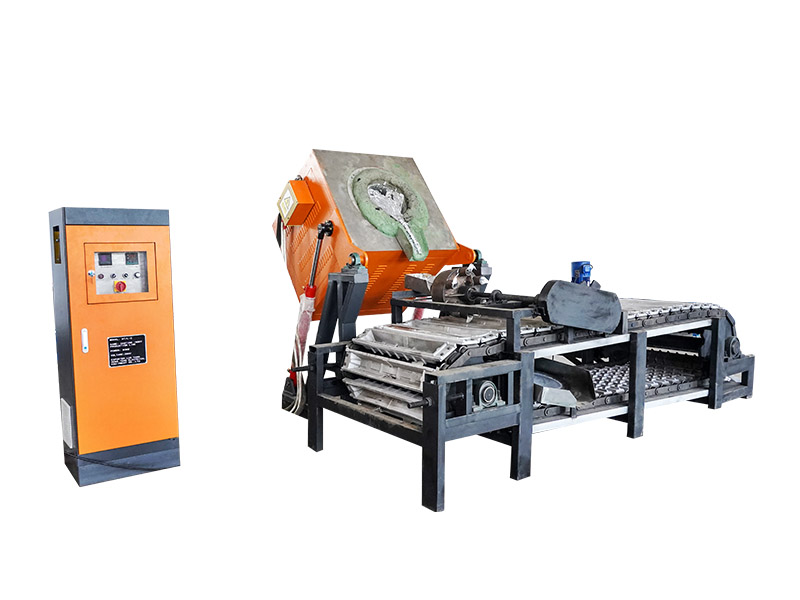
Review the layout with the production team. The dust-control concept should not block ladle movement, mold handling, maintenance doors, or normal inspection tasks. When planning a new line, coordinate the collection concept with the sand mold casting production line from the beginning.
Choose airflow and filtration with maintainability in mind
Air volume should be calculated from the individual capture points and realistic diversity assumptions, not guessed from fan horsepower. Then consider pressure loss through hoods, ductwork, separators, filters, and discharge arrangements. A sound design leaves room for changing filter conditions and future verification.
Ask how filters will be accessed, cleaned, inspected, and replaced. Hopper discharge, dust handling, compressed-air demand, fire protection interfaces, and fan isolation all affect the system’s day-to-day reliability. A lower first cost can become expensive if routine service requires long production interruptions.
Integrate collection with material flow
Dust extraction should support, not disrupt, the broader casting process. Transfer locations, reclaim loops, and molding stations need enough space for ducting, maintenance, and safe access. Early coordination reduces later conflicts between support steel, utilities, walkways, and material conveyors.
A complete foundry casting production line plan gives project teams a clearer framework for this coordination. Include dust-control interfaces in layout reviews before foundations and platforms are fixed.
Plan commissioning and operating checks
Commissioning should verify that capture points perform as intended under representative production conditions. Confirm airflow direction, visible dust escape, fan operation, filter cleaning, hopper discharge, and access provisions. Keep a record of the baseline readings and the conditions under which they were taken.
After start-up, establish a simple inspection routine for duct leaks, pressure indicators, filter condition, discharge equipment, and unusual deposits. Trend observations over time and investigate changes before they become production or housekeeping problems.
Build a useful request-for-quotation package
- Process map and layout drawings with each proposed capture point.
- Dust type, temperature range, moisture conditions, and operating schedule.
- Required access, maintenance windows, utilities, and discharge arrangement.
- Expansion plans and the performance checks expected at commissioning.
Use a cross-functional review
Include production, maintenance, EHS, utilities, and project personnel in the review. Each group sees a different operating constraint, and early discussion makes the final specification more practical. Avoid promises about regulatory outcomes unless they are supported by the applicable local requirements and verified design data.
For help connecting layout, process equipment, and service requirements, see our foundry equipment services or contact us about your project.
Account for energy and system balance
Fan energy and compressed-air use are operating costs, so include them in the evaluation rather than looking only at the collector purchase price. Unnecessary duct resistance, poorly placed pickup points, and leakage can force the fan to work harder without improving capture. A balanced system is easier to verify and adjust over its service life.
Consider how changing production patterns affect the design. A collector serving a single intermittent operation may not need the same airflow at every moment as a system serving several concurrent stations. Document the expected operating combinations and keep the assumptions available for future expansion or troubleshooting.
Make maintenance information part of the handover
Before project closeout, collect drawings, equipment data, inspection points, filter information, electrical documentation, and recommended spare parts. Train the people who will inspect the system during normal shifts, not only the project team. Clear ownership and accessible records help preserve the capture performance established during commissioning.
A planned review interval also creates an opportunity to compare operating observations with the original design basis. When a process, material, or layout changes, reassess the affected pickup point instead of assuming the existing system will respond the same way.