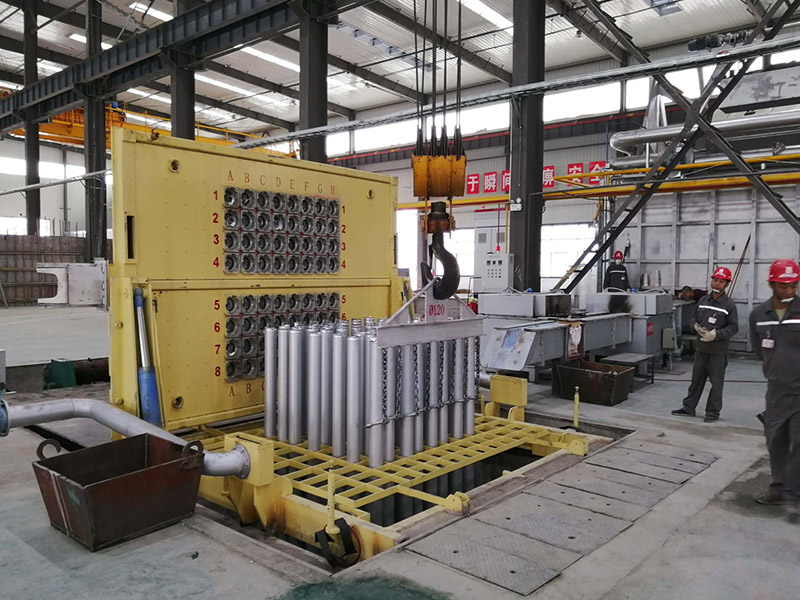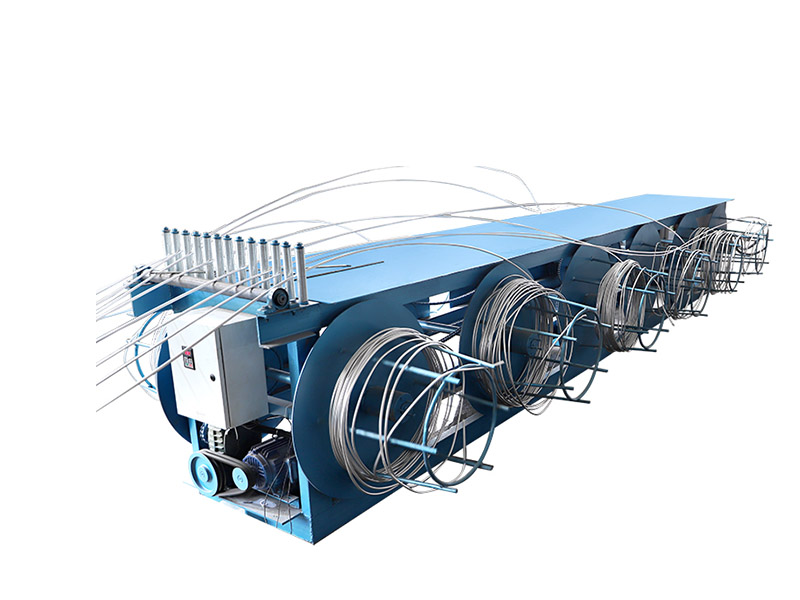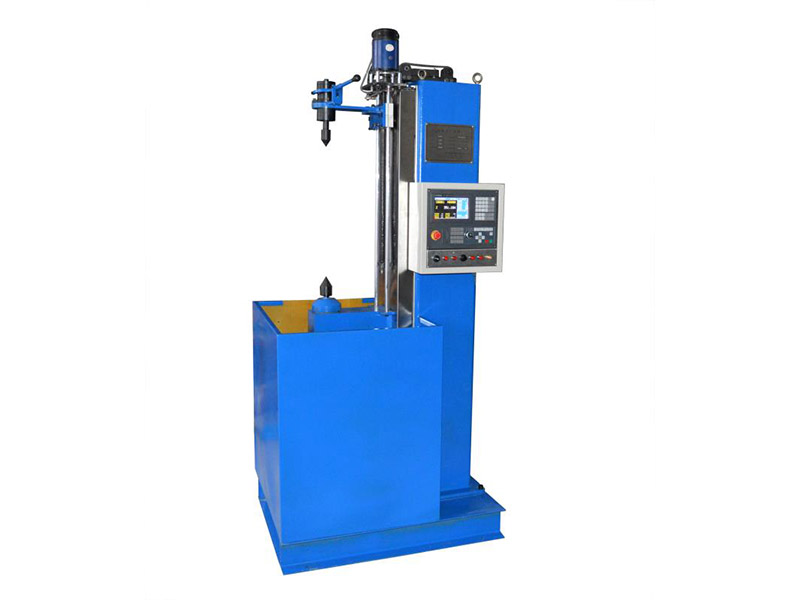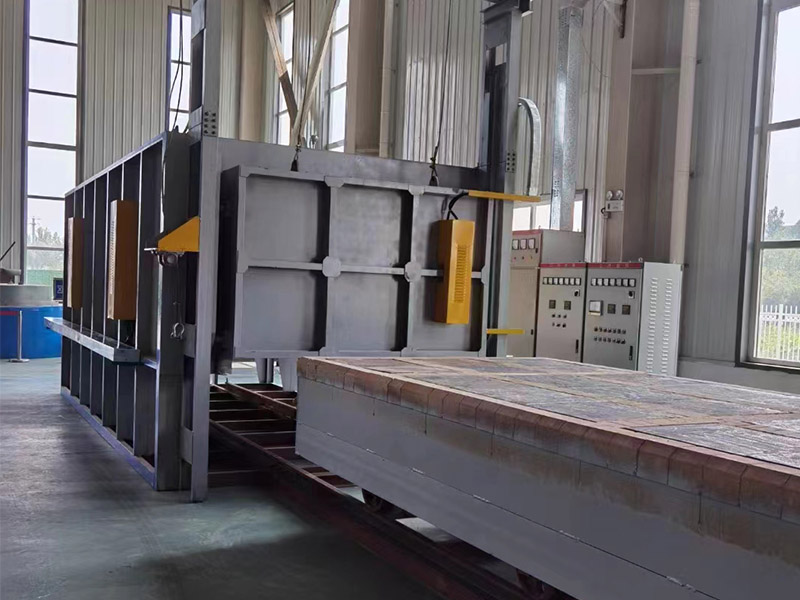
A foundry molding machine should be selected as part of a complete production system, not as an isolated purchase. Pattern dimensions, mold quality, sand preparation, core setting, metal delivery, and downstream handling all influence the useful output. This guide gives purchasing and engineering teams a structured way to compare options for a foundry molding machine without relying on headline cycle rates alone.
Define the casting range before comparing machines
Start with the castings the line must make: their dimensions, weight range, alloy, surface requirements, annual mix, and tolerance expectations. These details shape the choice of molding method, flask or flaskless arrangement, pattern interface, and material-handling capacity.
A broad output target is not enough. A machine may achieve an attractive cycle rate with a simple pattern but require a different setup, core placement method, or mold-hardness approach for the parts that generate most of the plant’s value.
Choose a molding method that fits the workflow
Green-sand, resin-sand, and other processes impose different requirements on compaction, sand delivery, reclamation, and environmental control. The right foundry molding machine should fit the selected process and leave access for tooling changes, maintenance, inspection, and safe operator movement.
Map the handoffs from sand preparation through molding, core setting, pouring, cooling, shakeout, and reclamation. The sand casting equipment production line guide can help teams frame those interfaces before a layout is finalized.
Evaluate output as a system capability
Use a capacity model that includes changeovers, planned inspection, pattern changes, core placement, and downstream availability. A molding unit cannot deliver useful output when sand preparation, pouring, cooling, or shakeout is the limiting stage.
| Selection area | Questions for the supplier | Why it matters |
|---|---|---|
| Pattern interface | Which pattern plates, clamps, and changeover aids are included? | Controls repeatability and setup time |
| Sand system | What sand condition and feed consistency are assumed? | Links mold quality to upstream equipment |
| Automation | Which actions are automatic and which remain manual? | Clarifies labor, guarding, and integration scope |
| Maintenance | Which wear parts and service access points are specified? | Supports planned uptime and spare-parts planning |
Set mold-quality control points
Repeatable molding needs defined checks for sand condition, mold hardness or compaction, pattern condition, dimensional stability, and defect feedback. Decide which values are measured automatically, which are checked by an operator, and how results are tied to a production batch.
Do not treat a molding defect as a single-machine problem. Sand properties, venting, pattern condition, core fit, pouring practice, and cooling time can all influence the casting result. A cross-functional review shortens troubleshooting and prevents unproductive changes to the machine settings.
Plan safe material flow and access
Equipment layout must provide safe routes for sand, patterns, cores, molten metal, castings, and maintenance staff. Identify lifting points, guard locations, access platforms, and isolation procedures before commissioning. The casting-cell design should make the safe method the convenient method.
Where a project includes mold preparation and casting-line integration, examine the available foundry casting production line scope alongside the molding-machine proposal. This prevents gaps between mechanical supply, controls, and material handling.
Ask for integration evidence, not generic promises
A useful technical proposal identifies the utility requirements, control interfaces, assumed pattern data, guarding approach, acceptance criteria, and commissioning responsibilities. It should also state the limits of the quoted configuration so the buyer can compare proposals on the same basis.
- Document the casting mix and output profile.
- Map the complete material flow and identify the present bottleneck.
- Define measurable mold-quality and acceptance criteria.
- Request a layout with access, utilities, and maintenance clearances.
- Confirm training, commissioning, spares, and after-sales responsibilities.
Link equipment selection to long-term operation
Plan initial spares, inspection intervals, changeover tools, and operator training while the project is still being specified. A well-chosen machine is easier to sustain when the plant has clear routines for sand-system checks, tooling care, and planned service.
For related material-preparation considerations, review foundry sand mixer selection. For a proposal review or an integrated equipment discussion, see our foundry equipment services or contact our engineering team.
Use acceptance planning during commissioning
Before the machine arrives, agree how the supplier and plant will demonstrate the specified scope. The plan can cover mechanical installation, guards and interlocks, utility connections, dry-cycle checks, representative molds, and the documentation needed to hand the system over to production. It should name the responsible people and describe how deviations will be recorded and closed.
Where pattern availability limits a full production trial, define a staged acceptance approach instead of leaving performance assumptions unresolved. A clear plan protects both parties and helps the operating team prepare training, maintenance routines, and spare-parts storage before the first production campaign.
Compare total operating fit
Purchase price is only one input. Consider tooling compatibility, compressed-air and electrical demand, sand-system changes, floor space, guarding, maintenance access, expected wear components, and the skills needed to operate the selected configuration. A slightly different machine design can reduce complexity elsewhere in the cell, while a low initial price can create recurring changeover or maintenance burdens.
Ask suppliers to identify the assumptions behind output claims and to separate standard equipment from optional integration work. This makes the final decision more transparent and helps the team set realistic ramp-up milestones for quality, throughput, and operator confidence.
Finally, retain the commissioning records and first-production observations as part of the equipment file. They provide a practical baseline when the casting mix changes, a new pattern is introduced, or the team evaluates a future expansion of the molding line.