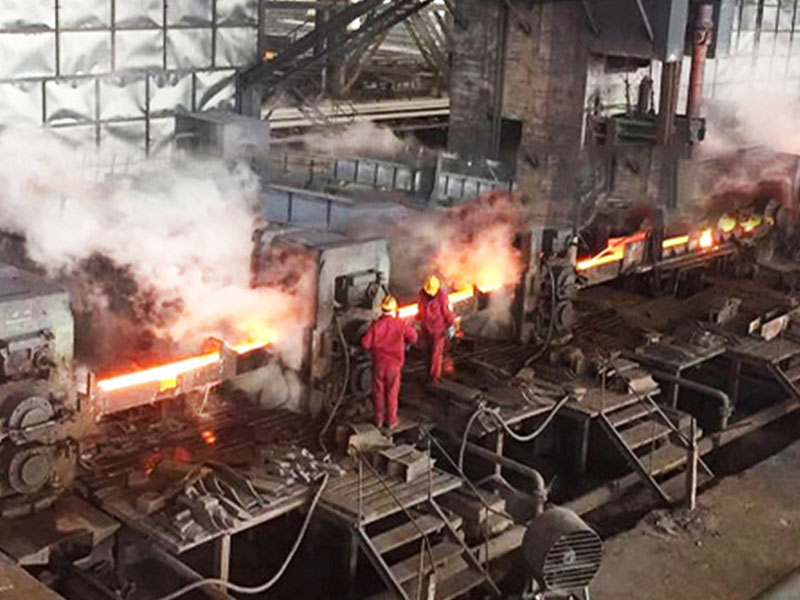
A rolling mill flying shear looks simple from a distance: cut moving stock without stopping the line. In practice, it is one of the control points that decides whether a mill can maintain speed, length accuracy and orderly material flow. A poor specification can create short bars, missed cuts, cobbles, unsafe access points and downstream delays. A good specification starts with the product, the line speed and the cut duty, then builds the mechanical and control package around that real operating pattern.
Define the cut duty first
The first question is what the shear must cut, when it must cut and where the cut product must go. Billet size, bar section, material temperature, rolling speed, target length, tolerance expectation and crop-cut requirements all affect the equipment selection. A shear that is acceptable for one product mix may be unsuitable when the mill changes section range or production rhythm.
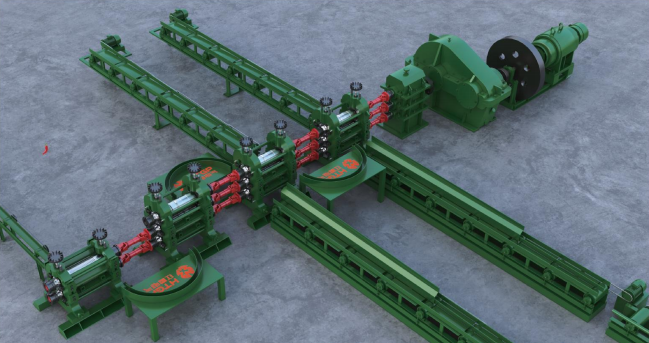
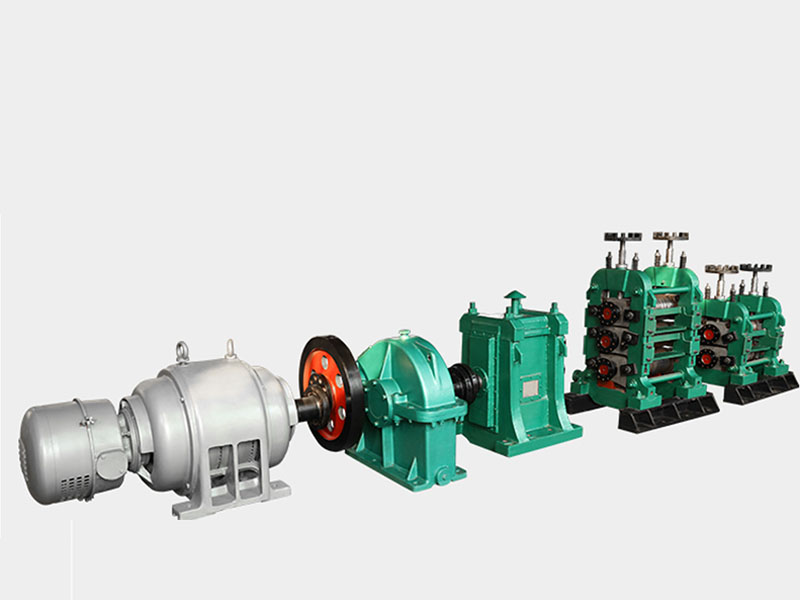
Put those details in the RFQ. The supplier should be able to explain the cutting sequence, blade motion, drive method and control logic for the stated duty. If the flying shear is part of a broader line, the continuous rolling mill layout should be reviewed at the same time.
Separate crop cutting from final-length cutting in the specification. Crop cuts may remove unstable leading or tail sections, while production cuts must support downstream bundling, counting or cooling-bed transfer. Treating every cut as the same duty can hide important control and mechanical requirements.
Match speed synchronization to mill behavior
A flying shear must match the moving stock during the cut. Speed mismatch can damage the product, increase blade wear or disturb the downstream path. The control system therefore needs reliable line-speed feedback, a stable cut command and a response strategy when the mill accelerates, slows or pauses.
Ask how the shear receives speed data and how it handles transient conditions. For mills with several product sizes, recipe management should connect product data, target length and cut mode. Operators should not have to rebuild the control setup from memory each time the product changes.
Length accuracy also depends on upstream stability. Guides, stands, pinch rolls and sensors should deliver repeatable material tracking before the shear is blamed for every variation. During commissioning, record both the cut result and the line condition so adjustments are based on evidence.
Review mechanical design and maintenance access
The mechanical structure must manage repeated dynamic loads while preserving cut quality. Buyers should review the frame, blade carrier, drive system, lubrication points, guarding and access around the shear. Maintenance teams need enough room to inspect blades, check fasteners and perform adjustment without creating unsafe workarounds.
Blade life is not only a blade material question. Product temperature, section shape, alignment, cut timing and operator practice all influence wear. Define the inspection interval and spare-parts list before commissioning so the team knows what to keep on site.
Do not overlook service tools. Blade handling, lifting points, alignment gauges, lubrication access and replacement procedures should be part of the handover package. A shear that is difficult to maintain will eventually be maintained late, rushed or with avoidable downtime.
Connect the shear to upstream and downstream equipment
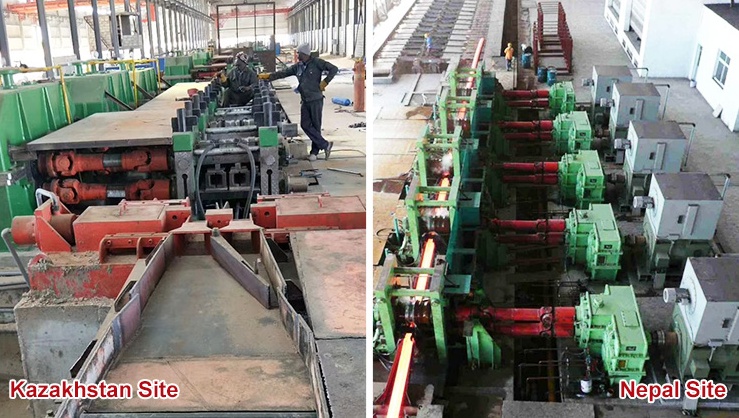
A flying shear cannot be specified as an isolated machine. Upstream stands, guides and pinch rolls control how stock reaches the shear. Downstream equipment must accept the cut material without pileups or uncontrolled movement. If the shear feeds a cooling bed or collection area, timing and transfer logic are part of the specification.
For projects that combine cutting and product handling, review the rolling mill cooling bed specification along with the shear layout. A clean cut is only useful if the product can move safely into the next stage.
Specify safety interlocks and abnormal responses
Flying shear safety is a design requirement, not a final accessory. Guards, access doors, emergency stops, lockout points and safe maintenance modes should match the actual inspection and blade-change procedure. Operators also need a clear response when a sensor fault, missed cut or downstream blockage occurs.
Define what the mill should do during an abnormal event. Should the line slow, reject material, stop feeding or divert the stock? Those decisions belong in the control philosophy before the equipment arrives. They help avoid improvisation during a fast-moving production problem.
Prepare acceptance tests that reflect production
Acceptance testing should prove the shear under realistic conditions. A useful test plan includes representative product sizes, target lengths, line-speed conditions, repeated cuts, abnormal-signal checks and operator handover. The team should record cut consistency, product transfer, control response and maintenance observations.
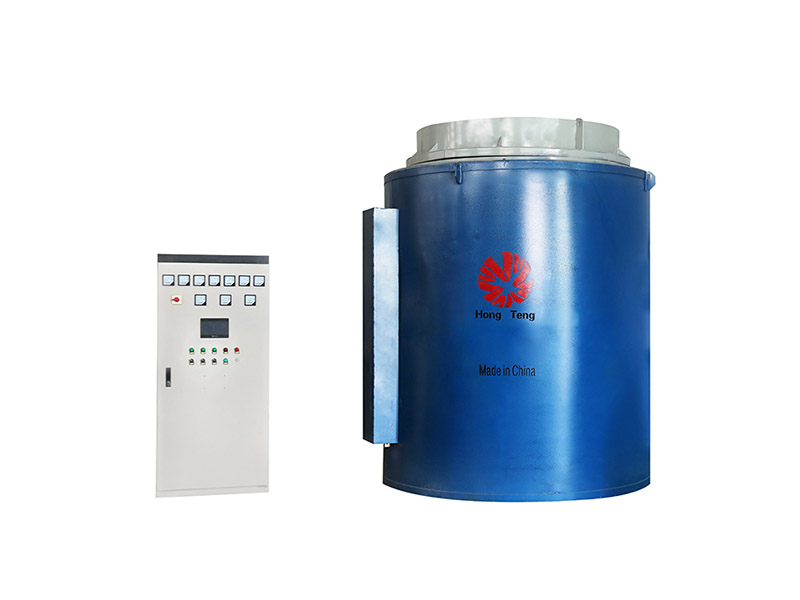
If the shear is purchased as part of a small steel rolling production line, acceptance should include the interface between heating, rolling, cutting and handling. This is where hidden timing problems often become visible.
Keep the final acceptance record practical. It should list machine settings, sensor references, blade condition, operator actions and unresolved punch-list items. That record becomes the starting point for future troubleshooting instead of leaving the team to reconstruct commissioning decisions later.
Make the RFQ decision-ready
A decision-ready RFQ includes product range, speed range, cut mode, target length, layout drawing, utility availability, control interface, safety expectations, spare-parts plan and commissioning scope. Comparing proposals on these points gives purchasers a better view than comparing machine names alone.
For help defining an integrated rolling-mill equipment scope, review our engineering services or contact us with your production-line details.