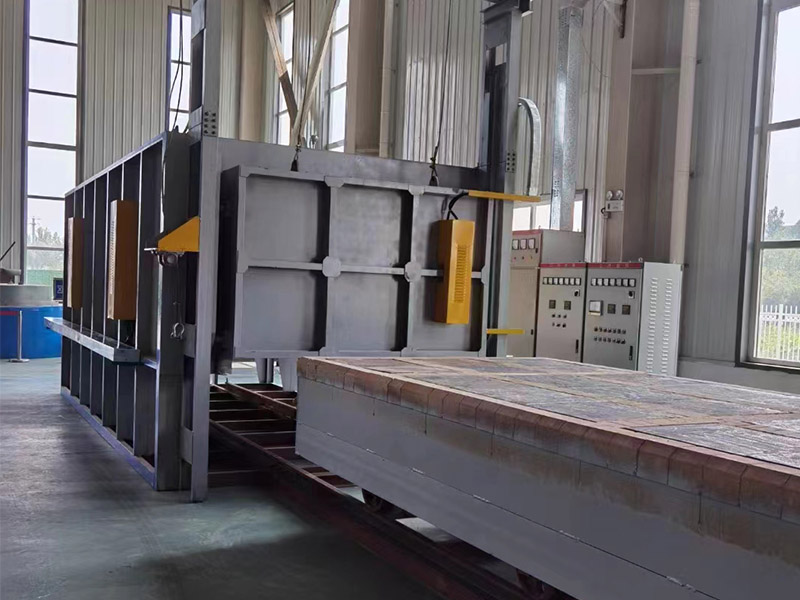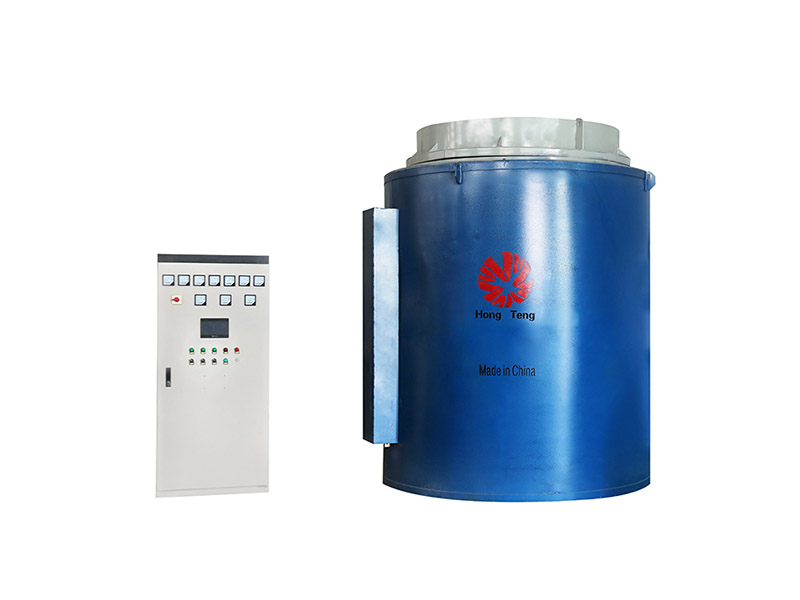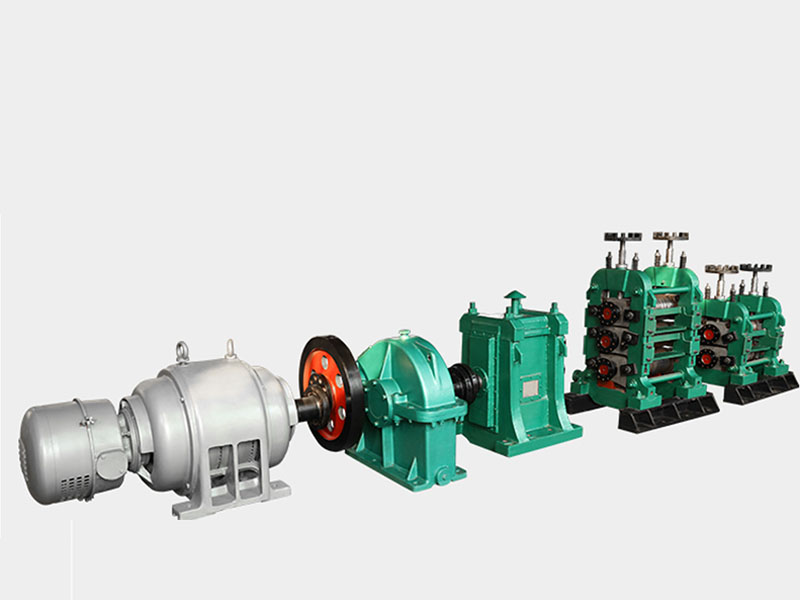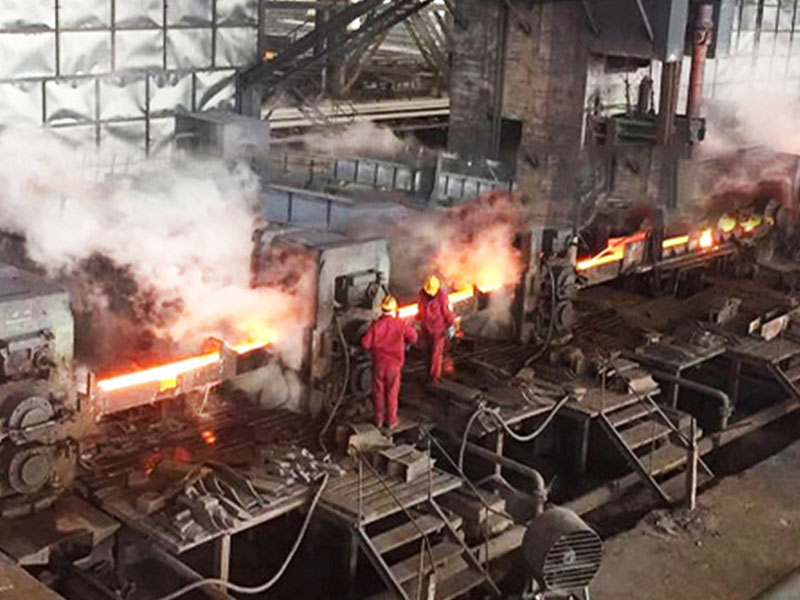
A rolling mill cooling bed is a production-line system, not a standalone table at the end of the mill. It receives hot rolled bars or sections, transfers them in a controlled pattern, allows the intended air-cooling time, and delivers material to downstream handling. For procurement and engineering teams, the right specification begins with product mix and line rhythm rather than a generic bed length. This guide organizes the questions that turn a cooling-bed enquiry into a workable project scope.
Define what enters the bed
Start with the finished product range: bar, rebar, section, or profile; minimum and maximum sizes; run-out length; steel grade; and target rolling temperature. These inputs determine the required support pattern, transfer method, and cooling time. They also reveal whether one bed must accommodate several production programs or whether changeover constraints need separate treatment.
Map the sequence from finishing stand to discharge. The bed must receive material at the actual mill cadence, not only the nominal hourly tonnage. The wider rolling mill equipment planning guide is a useful starting point for checking these interfaces.
Match cooling time to production flow
Natural air cooling is often part of the process, but required time depends on section size, grade, entry temperature, and downstream requirements. A useful layout balances enough residence time with a path that does not create a bottleneck at the finishing area, cold shear, or bundling station.
Ask the project team to state the design basis for each product family. Avoid assuming one cooling rate for every size. Where product quality depends on a controlled sequence, include the measurement points and operating limits in the specification rather than treating them as an afterthought.
Select a transfer concept that suits the product
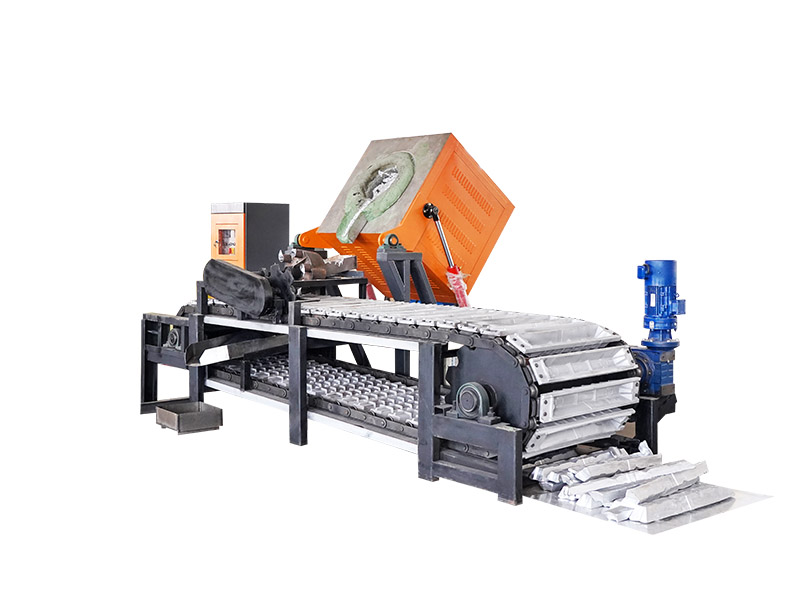
Rake, walking-beam, chain, and other transfer arrangements can be appropriate depending on product geometry, handling pattern, and desired automation. The choice should protect straightness, prevent uncontrolled rolling or collision, and place material consistently for discharge. A layout drawing should show entry, transverse movement, grouping, and exit clearly.
- Product size range and run-out length
- Required cooling residence time and bed capacity
- Transfer rhythm, bar separation, and discharge arrangement
- Access for inspection, lubrication, and component replacement
Integrate upstream and downstream equipment
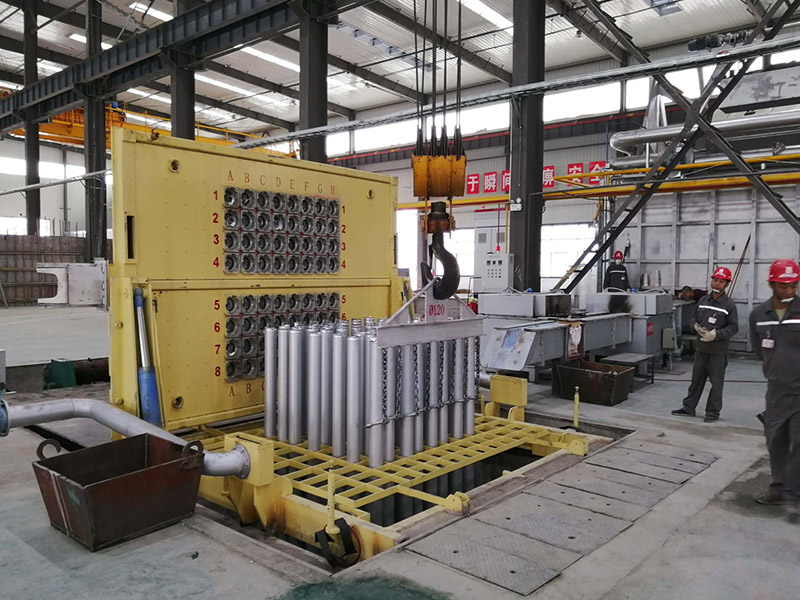
The cooling bed has to work with the last stand, roller tables, crop or cold shear, straightening, counting, and bundling. A mismatch in controls or speed references can reduce the value of an otherwise well-built bed. Review the complete flow together with the continuous rolling mill configuration, not as isolated packages.
Material tracking is especially useful when several lengths or product groups share the line. Specify how the bed knows when to accept, move, group, and discharge material, and what happens during an interruption. The operating sequence should be understandable to production and maintenance staff before commissioning.
Make safety and maintenance part of the design
Hot material, moving rakes, chains, rollers, and pinch points require guarded access and clear procedures. Define emergency stops, interlocks, safe isolation points, and inspection routes early. Safety provisions should remain practical when scale, heat, and routine adjustment are part of the daily environment.
Maintenance planning should cover drive components, bearings, lubrication points, wear plates, alignment, sensors, and spares. Good accessibility reduces the time needed to inspect a component before it becomes a line-stopping failure.
| Specification item | Question to resolve |
|---|---|
| Bed capacity | Can it absorb the longest and fastest expected production sequence? |
| Transfer method | Does it support the product without damage or unwanted distortion? |
| Control interface | How does it synchronize with shears, roller tables, and bundling? |
| Service access | Can critical parts be inspected and changed safely? |
Evaluate suppliers on evidence and scope
Request drawings, product-range assumptions, utility requirements, control philosophy, included guards, installation responsibilities, and recommended spare parts. Compare like-for-like scopes. A low initial price can omit the controls, handling interfaces, or access provisions needed for stable operation.
For mills making long products, the operating sequence after the mill may also influence the requirements for the rebar rolling mill production line. Use actual product data and layout constraints to decide what belongs in the cooling-bed package.
Plan commissioning and acceptance
Agree acceptance criteria before delivery. These can include safe transfer through the specified product range, repeatable discharge, agreed control responses, documented safety checks, and operator training. They should be measurable at site without relying on unstated production assumptions.
Our rolling-line engineering services can help define the project boundary. When you are ready to review your layout, contact our team with product sizes, target output, and available space.
Use a product-by-product capacity check before freezing the layout. For each intended section, note entry temperature, bar length, rolling interval, required cooling period, transfer cycles, and the point at which downstream equipment accepts the bar. This exposes whether the limiting factor is bed area, movement speed, grouping, or discharge. It also makes later expansion discussions concrete: a change in product mix can alter practical capacity even when nominal tonnes per hour remain unchanged. Documenting this check gives operators a shared reference during commissioning and future line adjustments.
FAQ: when does a cooling bed become a bottleneck?
Is bed length the only capacity variable?
No. Capacity also depends on product length, transfer cycle, cooling time, discharge rhythm, and the ability of connected equipment to receive material. A layout review should test the whole sequence.
What information should an RFQ include?
Include product sizes and grades, expected output, entry conditions, available footprint, interfaces, electrical requirements, safety expectations, and preferred commissioning support. Clear inputs lead to proposals that can be compared fairly.