A continuous casting line is not a single machine chosen from a catalogue. It is a connected process that must move molten metal, control solidification, handle the product and communicate with the next operation at a compatible rate. A useful specification starts with the product and production target, then works upstream through metallurgy, utilities, automation and maintenance access. This guide explains the questions buyers should resolve before comparing a continuous casting line proposal.
Define the output before defining the equipment
Start with the material, product profile, section or diameter, quality requirements, planned annual output and realistic operating schedule. These inputs shape the casting route and determine whether the project needs a billet, rod, slab or other configured line. They also provide context for throughput claims, which are not comparable if the alloy, product size and operating assumptions differ.
Ask for the expected process window rather than a single maximum speed. A reliable line must operate stably through normal changes in charge quality, temperature and downstream availability. The selection should support usable output, not simply a high nameplate number.
Map the line as a connected process
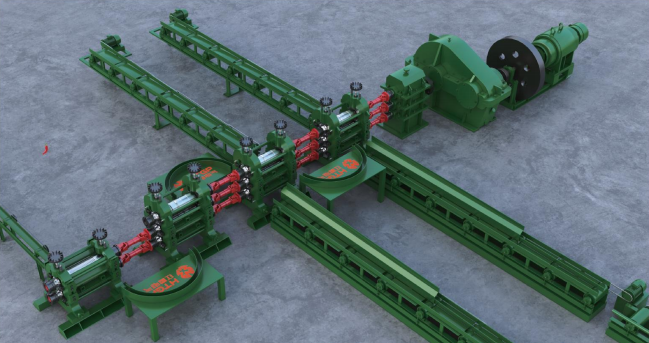
Every project has interfaces: melting or holding, treatment, transfer, mold or crystallizer, withdrawal, cooling, cutting or coiling, handling and inspection. Map who supplies each interface and how the controls exchange permissives, alarms and operating data. Gaps between packages are a common source of delayed commissioning.
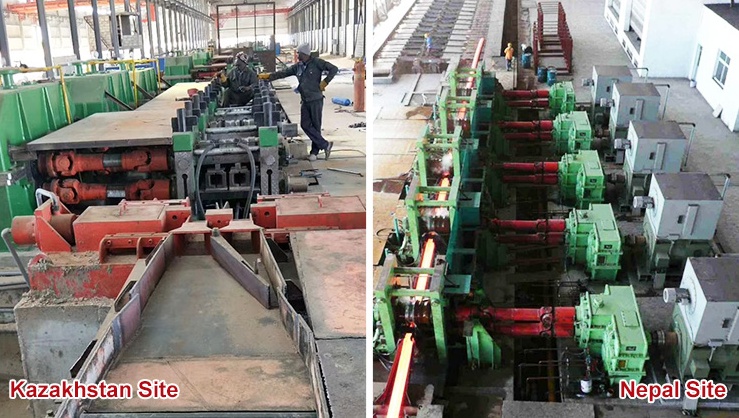
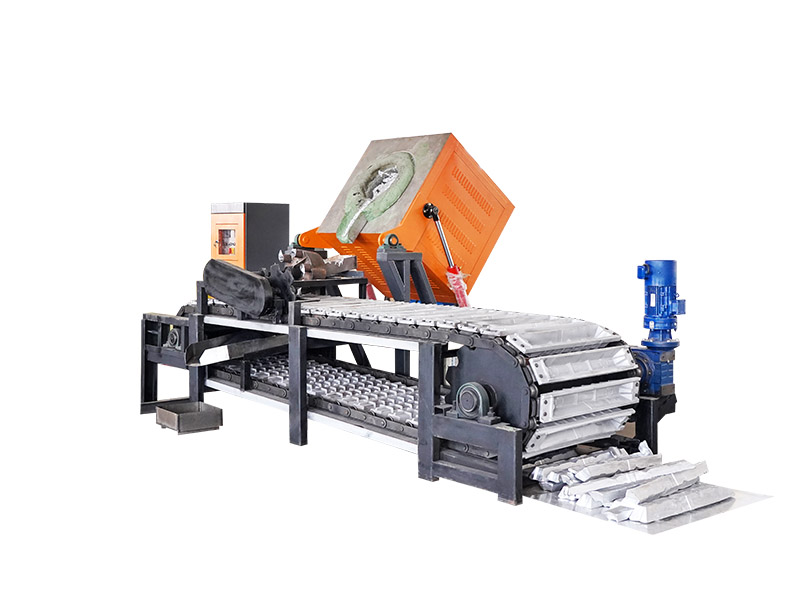
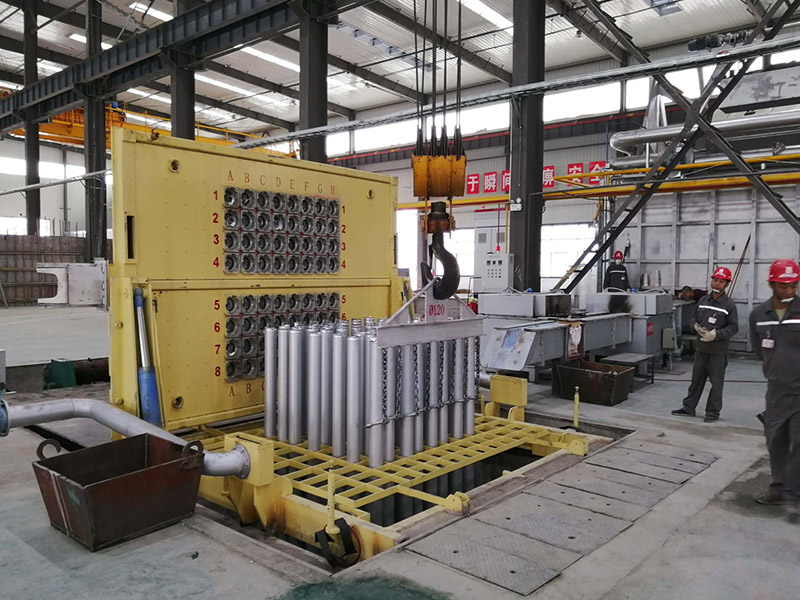
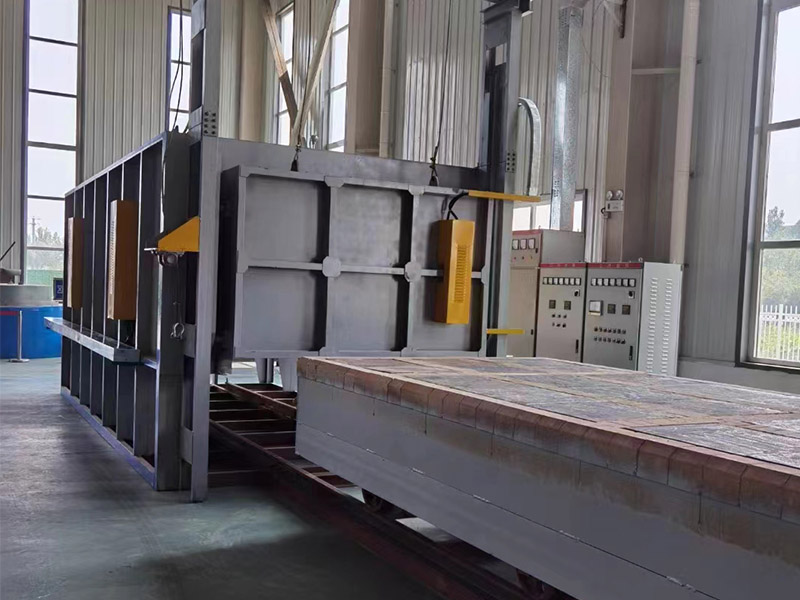
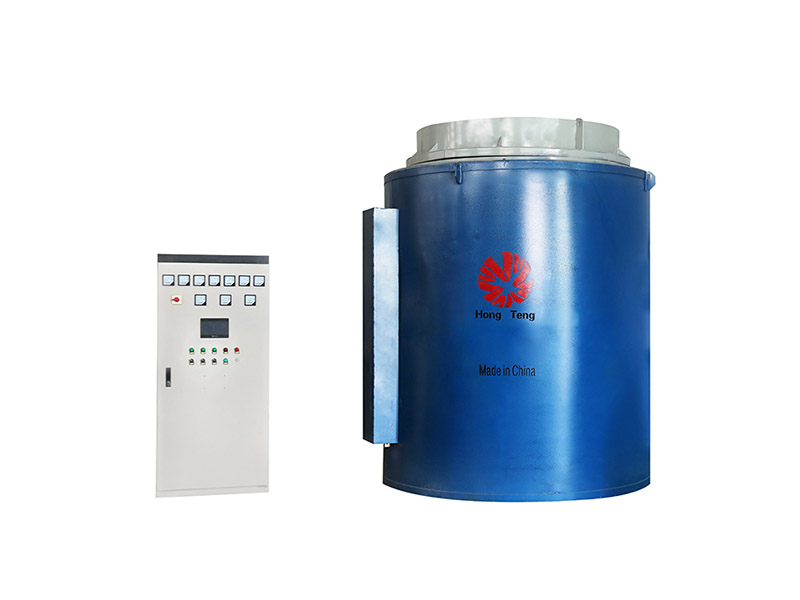
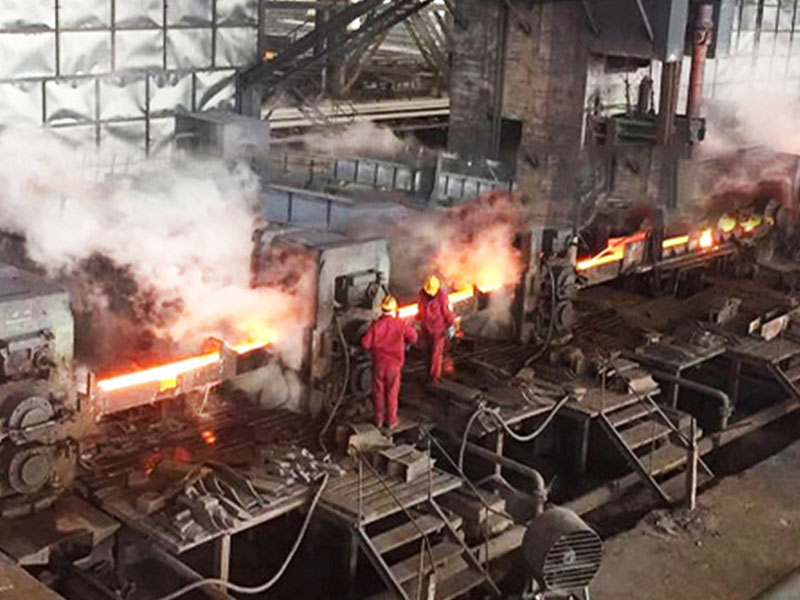
For steel billet projects, review the steel billet continuous casting production line as an integrated scope. For aluminum applications, a deep well continuous casting system may require a different arrangement of melt treatment, transfer and downstream handling.
Review solidification and cooling together
Cooling is a process function, not only a utility connection. The design needs suitable water quality, flow, pressure, temperature monitoring and safe drainage. Cooling zones should be accessible for inspection, and their operating logic should be clear enough for a production team to identify a deviation early.
Discuss mold or crystallizer change procedures, withdrawal control and how changes in casting speed are coordinated with thermal conditions. The aim is a stable and repeatable process, not an unsupported promise of universal performance across every alloy and product size.
Specify automation around useful decisions
Automation should give operators the signals and controls needed to run the line safely: sequence status, temperatures, flows, speed, interlocks, faults and production records. Request an I/O list, alarm philosophy and description of manual, automatic and recovery modes. Clarify what remains available during a communication fault and how data will be exported for production review.
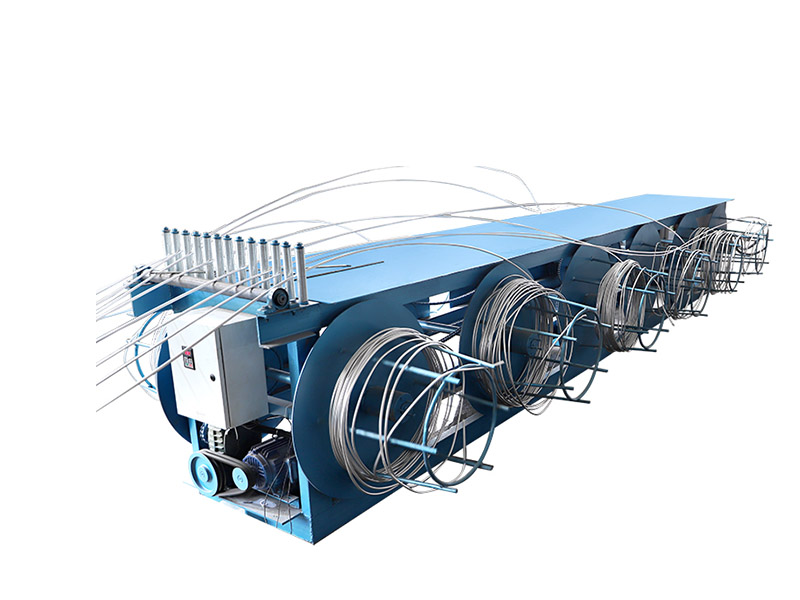
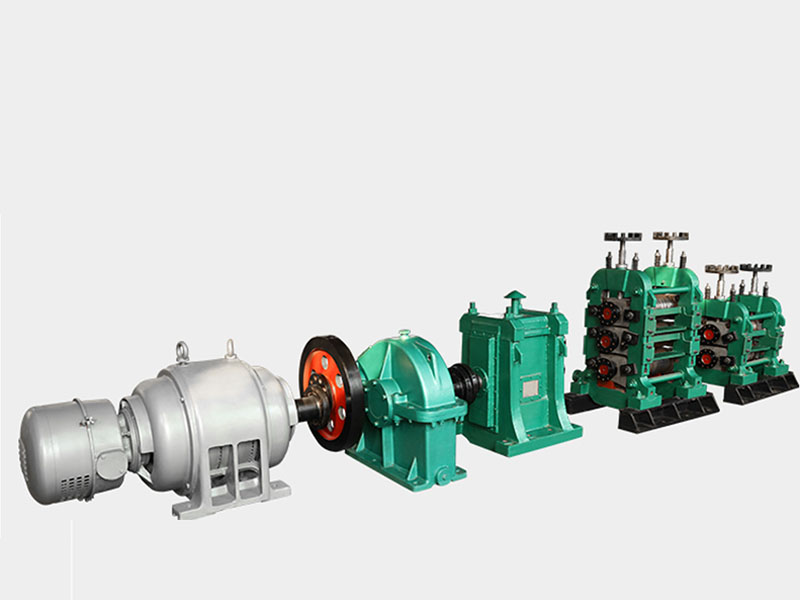
Where the downstream product is rod, the aluminum rod horizontal continuous casting line should be assessed with its downstream coiling, handling and quality-control needs. The line?? best settings depend on the full route, not one isolated unit.
Plan utilities, layout and maintenance access
- Confirm electrical capacity, grounding, cooling-water quality and drainage before final layout approval.
- Reserve safe space for mold changes, cleaning, inspection and lifting equipment.
- Identify consumables and critical spares, with expected replacement procedures.
- Define guarding, emergency stops and safe recovery steps for each operating zone.
- Agree acceptance criteria, operator training scope and documentation deliverables.
Compare quotations on the same basis
| Comparison item | What to request |
|---|---|
| Product duty | Material, section, quality target and operating assumptions. |
| Equipment scope | Included units, interfaces and supplier responsibilities. |
| Utilities | Electrical, cooling, compressed air and drainage requirements. |
| Support | Commissioning, training, documents and spare-parts plan. |
A clear comparison protects both the buyer and supplier from scope gaps. It also makes it easier to phase a project when upstream treatment, downstream rolling or plant infrastructure will be delivered separately.
Build the project around commissioning and support
Before ordering, agree how installation checks, dry runs, hot commissioning and acceptance will be managed. Identify the plant team members who need training and the records required for handover. A line that is maintainable, documented and supported is more valuable than one that is merely installed.
For a project review, use our foundry equipment services to discuss process scope and interfaces, then contact us with your casting line requirements. Include product dimensions, alloy, throughput goal, workshop constraints and available utilities for a focused technical conversation.
Use factory acceptance testing to reduce commissioning risk
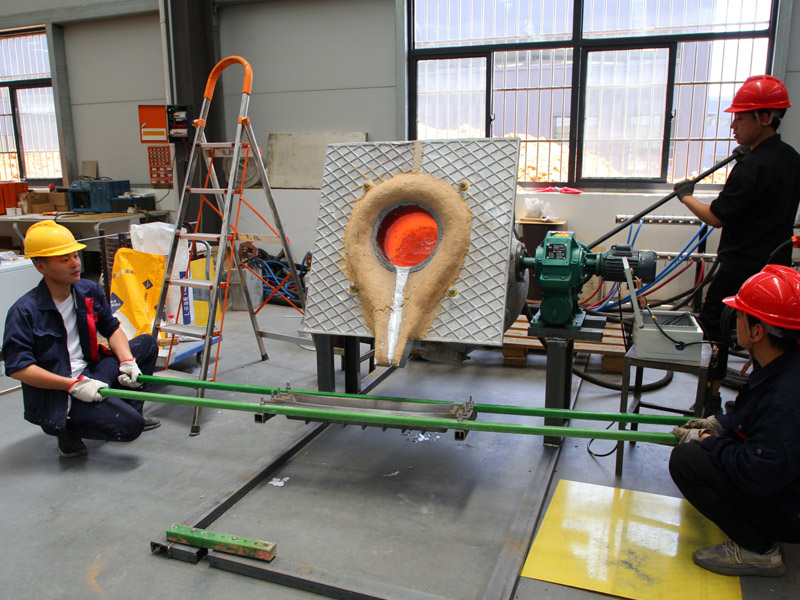
A factory acceptance test is most useful when it checks the agreed configuration, documentation and control behavior before equipment leaves the supplier. The test plan should identify the equipment to be demonstrated, the available utilities, the intended operating sequence, safety functions and records that will be supplied. It should also state clearly which performance items must be confirmed during hot commissioning at the customer site.
Ask to review key drawings, operating manuals, electrical schematics, alarm lists and spare-parts recommendations before shipment. Where a complete process trial is not possible, identify the remaining open points and assign an owner, due date and required site information. This avoids treating an incomplete demonstration as a finished acceptance.
At site, repeat the disciplined approach: inspect installation interfaces, verify utilities, conduct dry runs, train operators and record the first controlled hot operations. A structured handover provides a better starting point for stable production and gives the customer a clear basis for future maintenance and process improvement.
Finally, set a short review period after startup. Compare actual product quality, operating stability and maintenance observations with the original specification. Feed confirmed lessons into operating instructions and preventive-maintenance plans. This closes the handover loop and helps the casting line remain controllable as production volume, alloy mix or downstream requirements evolve.