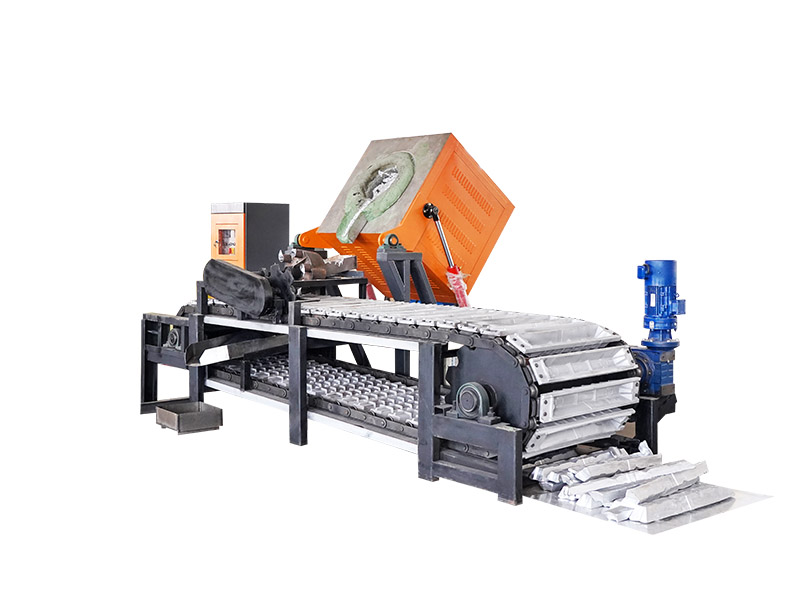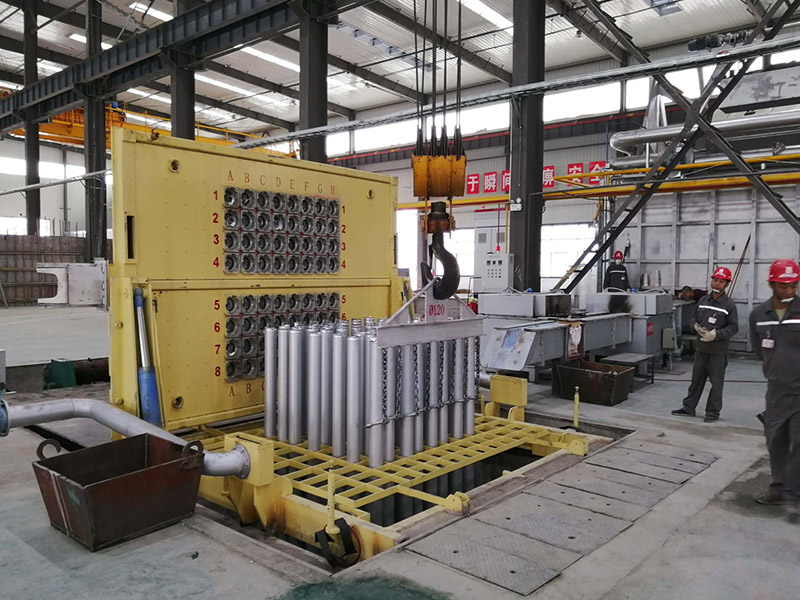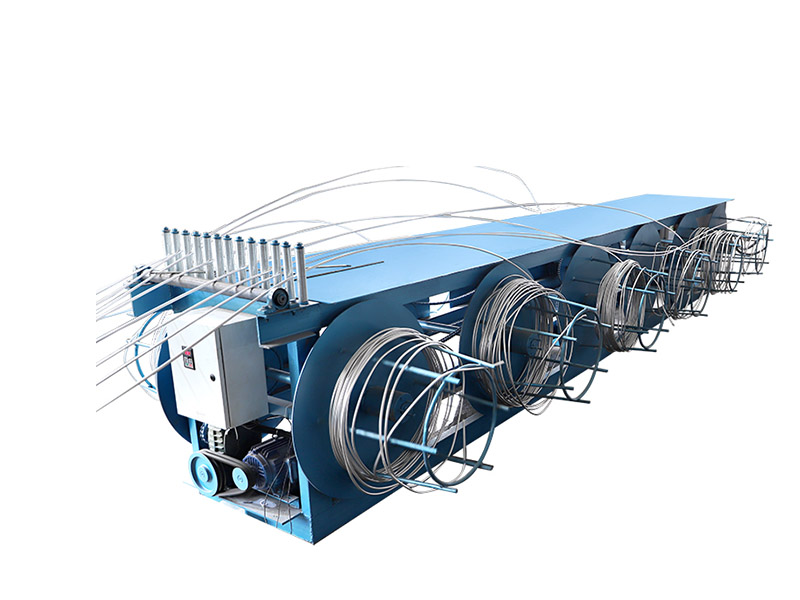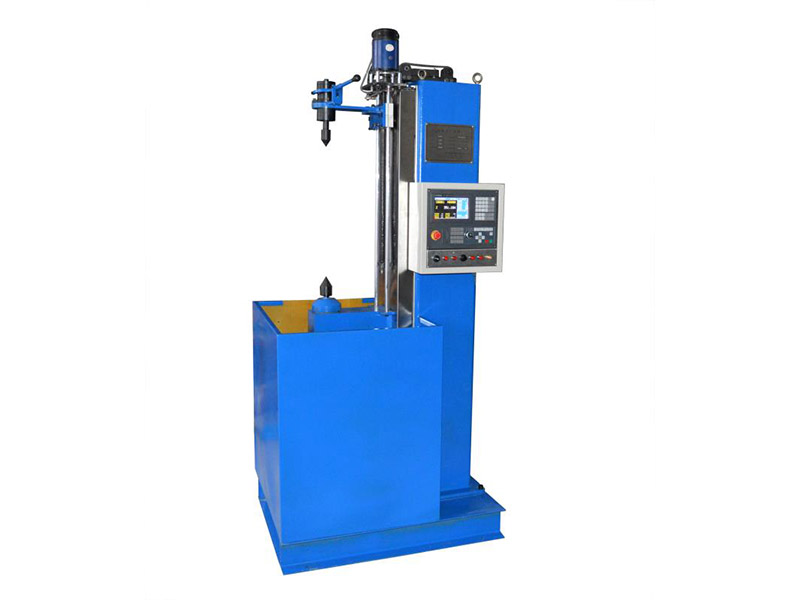
An induction heating furnace can improve repeatability before forging, rolling, upsetting or heat treatment, but only when the system is specified around the workpiece and the downstream machine. A useful RFQ describes the material, section range, throughput, target temperature and handling sequence鈥攏ot simply the desired furnace power.
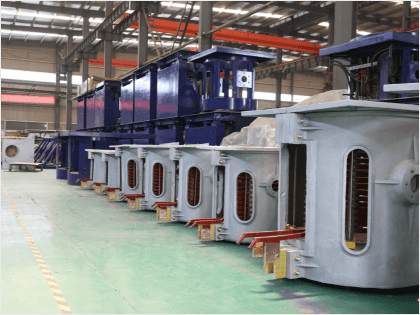
Start with the heating objective
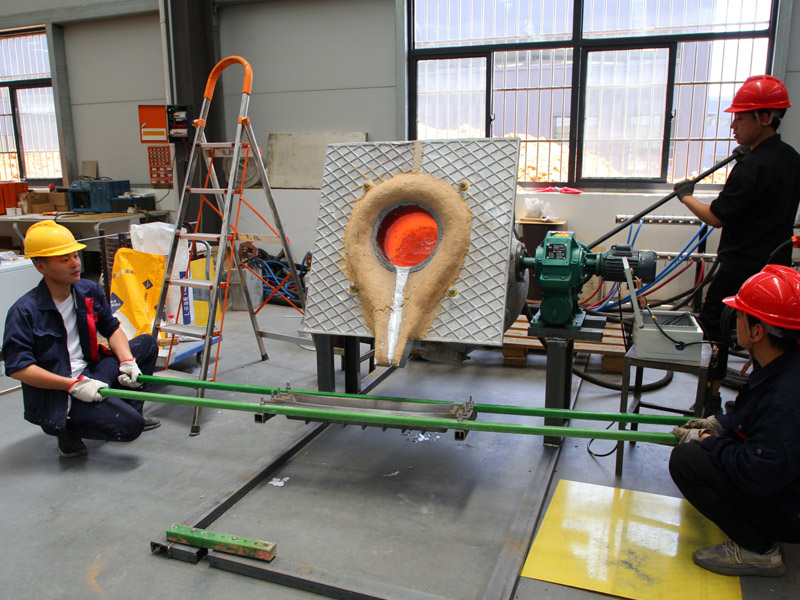
Induction heating generates heat inside conductive metal through an alternating electromagnetic field. It can be used for through-heating billets, local heating before forming, controlled preheating and selected heat-treatment steps. The required temperature pattern is as important as the final setpoint.
Define whether the goal is uniform temperature through the cross-section or a controlled surface and zone profile. A billet that feeds a rolling mill has different requirements from a bar prepared for forging or a part receiving local heat treatment.
Workpiece data that changes the design
Give the supplier representative samples or precise dimensions. Diameter or thickness, length, alloy, incoming temperature, surface condition and allowable temperature variation all affect coil geometry, frequency selection and line speed.
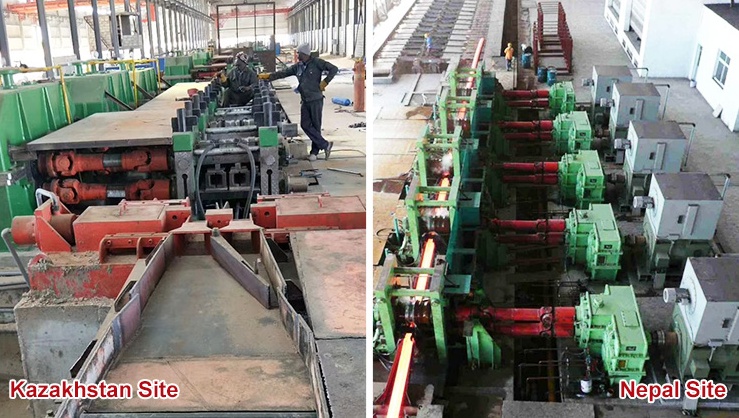
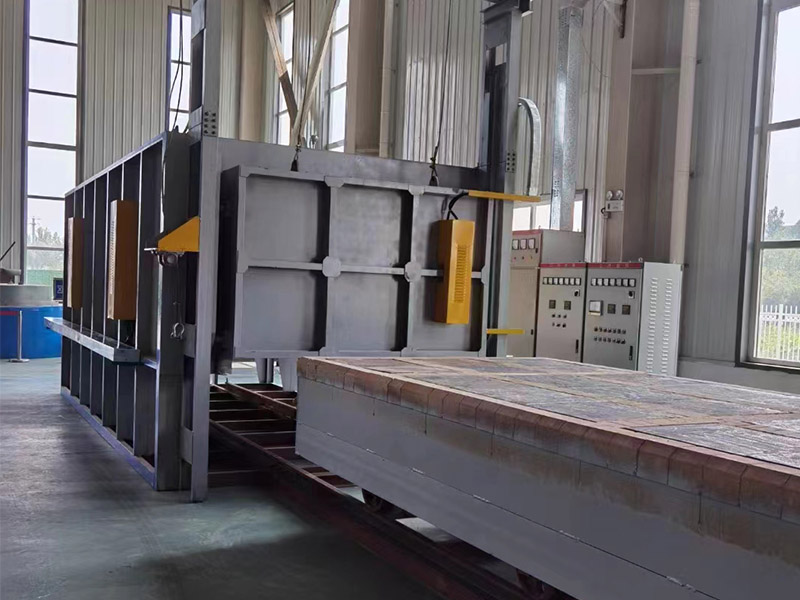
Also identify changes in the product mix. A system designed for one size may need adjustable coils, recipe control or separate stations when several sections are produced. Linking the heating stage to a steel billet heating furnace application should begin with the actual mill schedule and billet-handling route.
Match frequency and coil to the job
Frequency influences how deeply induced current penetrates the workpiece. Larger sections and through-heating objectives commonly need a different frequency strategy from small sections or surface-focused heating. The practical choice also depends on material properties as temperature rises.
Coil design is equally important. Coil turns, length, coupling gap, water cooling and workpiece guidance determine heating consistency. A good proposal explains how the part will enter, remain positioned and leave the coil without damaging insulation or interrupting flow.
Plan the complete line, not only the power supply
Heating performance depends on feeding, transfer, temperature measurement, safety guards, cooling water, exhaust and controls. A line that reaches temperature but cannot present the workpiece consistently to the press or mill will not deliver the expected output.
| System area | What to confirm |
|---|---|
| Material handling | Feed orientation, spacing, buffering and discharge timing |
| Temperature control | Measurement location, recipe limits and reject response |
| Utilities | Electrical supply, cooling-water quality and flow monitoring |
| Integration | Signals and safe interlocks with downstream equipment |
Specify controls for repeatable operation
Modern control should support repeatable recipes rather than relying on manual power adjustments. Ask how the system manages line-speed changes, pauses, no-load conditions and a workpiece outside the expected temperature window.
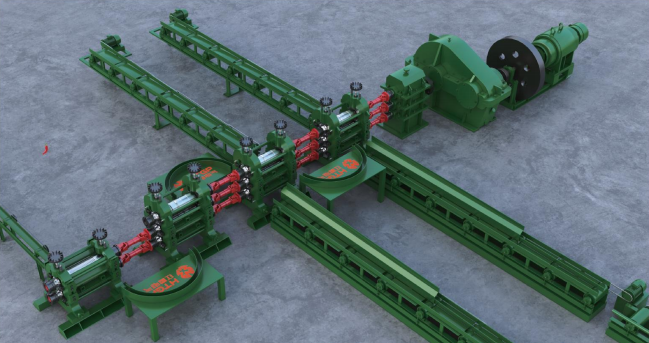
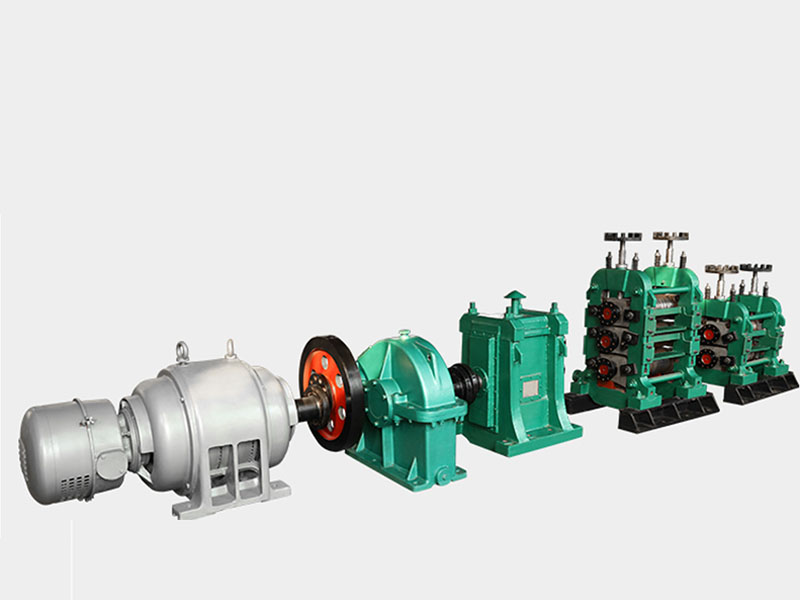
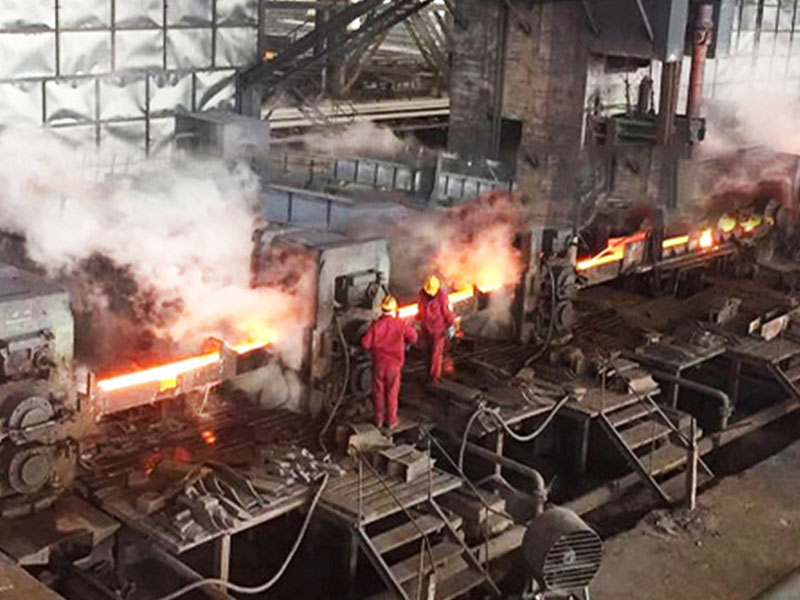
For continuous production, confirm the interface with the continuous rolling mill or other downstream equipment. Clear interlocks protect both the heating station and the production line when material flow changes.
Commissioning and maintenance questions
- Which acceptance test confirms temperature distribution at the specified throughput?
- What cooling-water checks and alarms are supplied?
- Which coil, capacitor and power-module inspections are routine?
- What remote or on-site support is available during commissioning?
These questions help purchasers compare scope as well as equipment. They also create a practical baseline for operator training, preventive maintenance and spare-parts planning.
Prepare a decision-ready RFQ
A decision-ready RFQ includes workpiece drawings, material grades, production rate, target temperature range, available utilities, line layout and downstream timing. Include foreseeable product changes so the proposed system can be evaluated for flexibility.
For help defining an integrated equipment scope, explore our engineering services, review common equipment questions, or contact us with your production details.
Use temperature measurement as a process tool
Temperature measurement should be selected for the material, surface condition and production rate. Decide where the reading is taken, how it is checked, and which signal triggers an alarm or reject. A reading at one location does not automatically prove the entire workpiece has reached the required condition.
Document the normal recipe, acceptable temperature window and response to a pause in material flow. When the line stops, the heating strategy may need to change to prevent overheating, excessive scale or an out-of-sequence workpiece reaching the next machine.
Design for safe material movement
Induction heating systems contain hot metal, high electrical energy and moving material. The equipment layout should provide guarded transfer points, access for coil changes, clear operator sightlines and safe isolation points. Include interlocks that match the actual production sequence and make recovery after a fault understandable for trained operators.
Material handling also affects heating consistency. Feed spacing, centering and dwell time should be verified during commissioning with representative stock, rather than assumed from a conveyor speed alone. The acceptance plan should state the test material, throughput, measurement method and the records delivered at handover.
Maintain the equipment around planned production
Set routine checks for coils, flexible leads, cooling-water connections, insulation, sensors and cabinet ventilation. Maintenance teams need access to these items without dismantling unrelated equipment. Keep recommended spares, electrical drawings and control backups under site document control.
A structured review after commissioning should compare actual line flow, energy input and temperature records with the approved process basis. This helps identify practical adjustments to handling, recipes or maintenance intervals before a minor variation becomes a recurring bottleneck.
Compare proposals on total scope
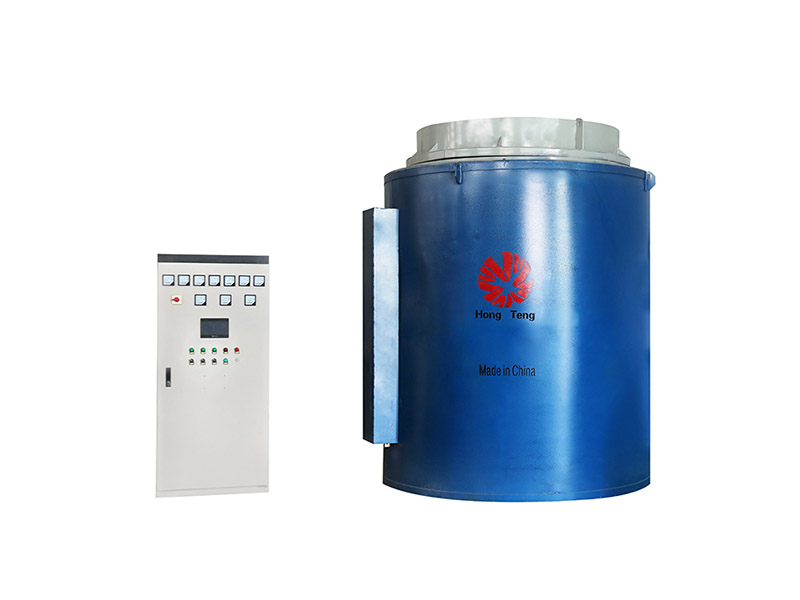
Evaluate the power supply, coils, material handling, controls, cooling circuit, guarding, installation, commissioning and training as one scope. Clarify which party supplies foundations, cable routes, water treatment, exhaust interfaces and downstream signals. A complete scope comparison gives procurement teams a better basis for a reliable induction heating furnace project.