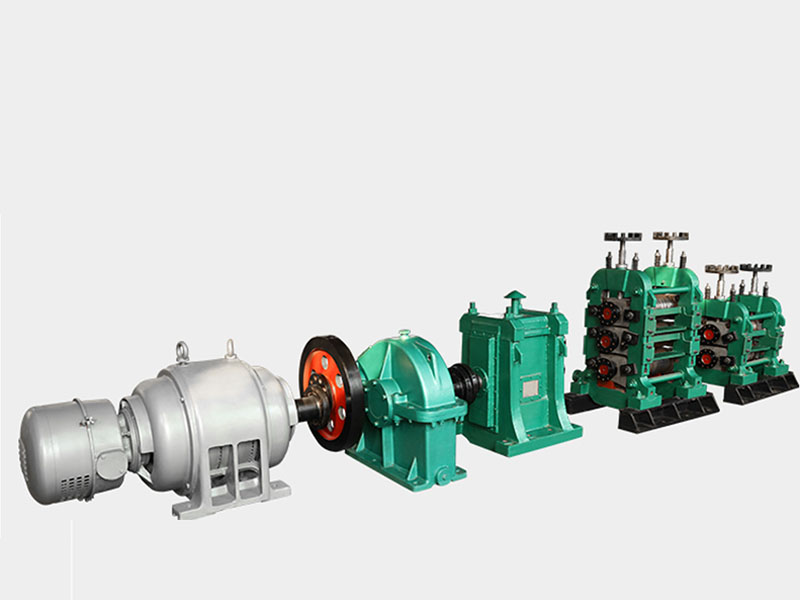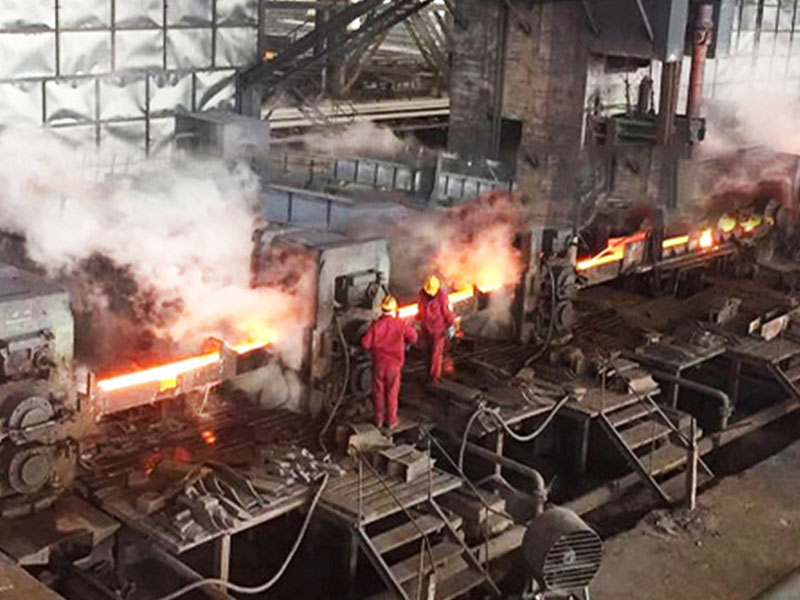
Choosing a rebar rolling mill is more than buying a sequence of stands. For a new line or capacity upgrade, the mill has to match billet condition, bar-size range, production rhythm, downstream cooling and finishing, and the level of control the plant can maintain. A line that looks complete on a layout drawing can still suffer from unstable material flow, long changeovers, or difficult maintenance when these interfaces are not planned together. This guide gives procurement and engineering teams a practical framework for specifying a reliable rebar rolling mill production line without relying on assumed output or unverified performance figures.
Start with the production requirement
Write the operating brief before comparing machine layouts. Define the intended rebar sizes and grades, billet section and source, target shift pattern, expected product mix, site constraints, and the finishing route. These inputs determine whether a compact layout is appropriate and which parts of the line need extra flexibility.
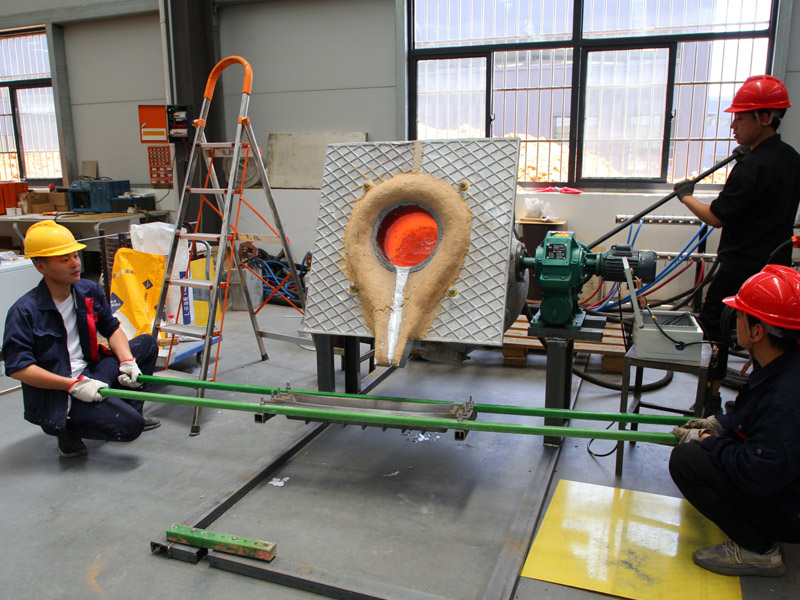
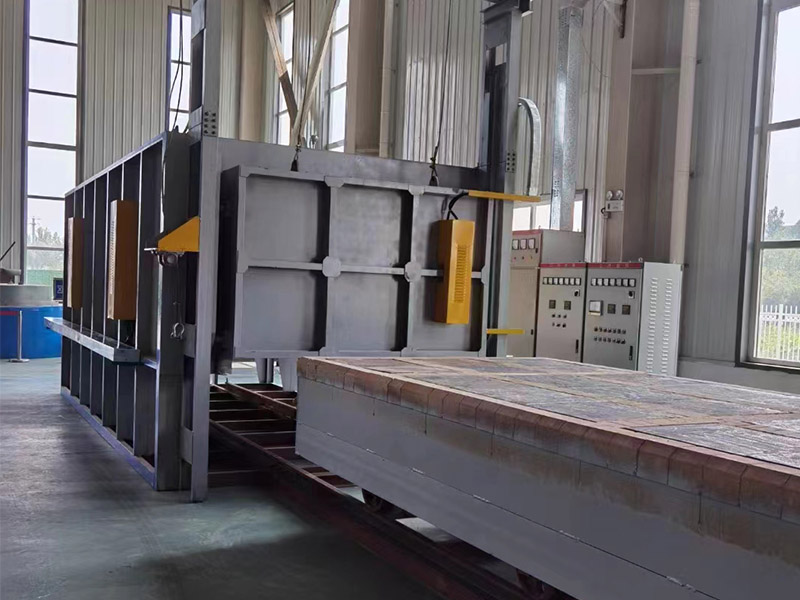
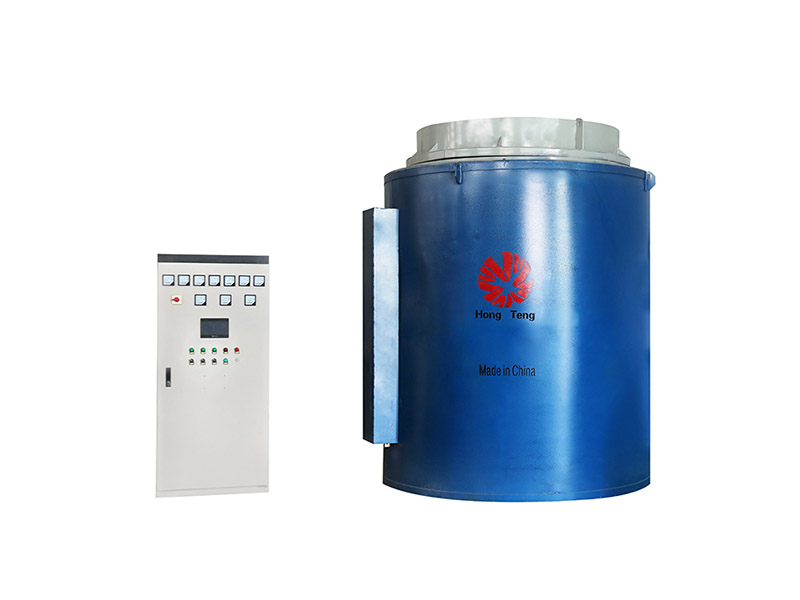
The rolling mill must also connect cleanly to upstream billet preparation and downstream handling. A steel billet heating furnace should be considered as part of the flow, because inconsistent discharge condition can make stable rolling harder to achieve.
Map the material flow from billet to bundle
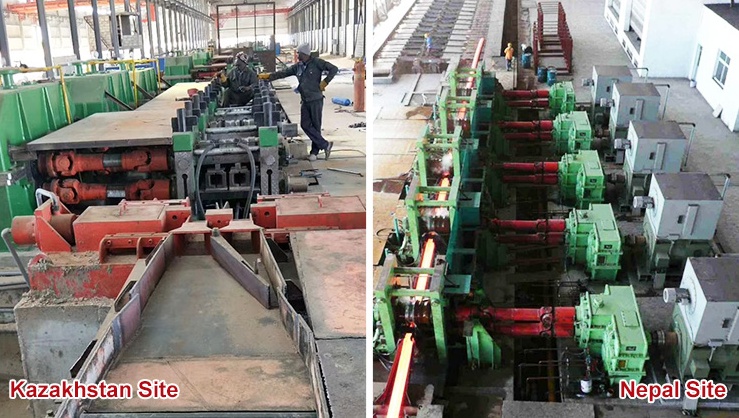
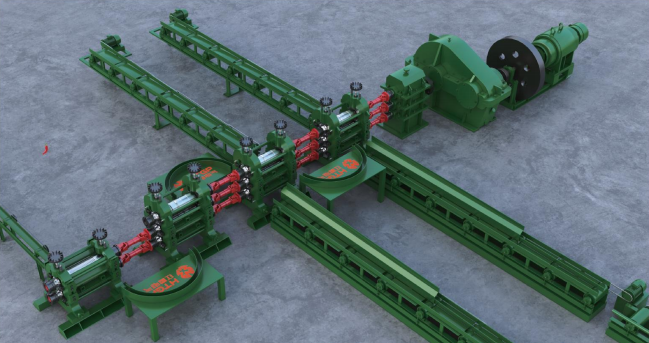
A useful specification follows the material rather than a supplier brochure. The usual path includes billet receiving, reheating, descaling where required, roughing, intermediate rolling, finishing, controlled cooling, cutting, collection, and bundling. Each handoff needs clear ownership in the layout and controls plan.
Keep interfaces visible
Ask how billet temperature, speed, and alignment will be measured or checked at critical points. The goal is not to promise a single production figure; it is to make the line capable of recognizing changing conditions and responding before they become cobbles, dimensional variation, or unplanned stops.
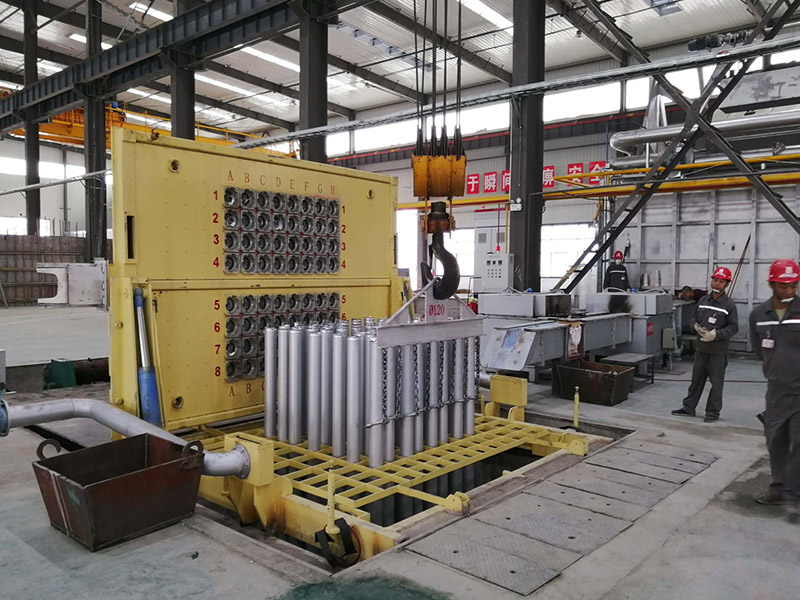
For projects that begin with liquid steel, the relationship with the caster matters as much as the mill itself. A steel billet continuous casting production line should be reviewed for billet format, storage practice, and the handoff required by the rolling schedule.
Specify mill stands for the product mix
Stand arrangement, roll-pass design, guide condition, drive coordination, and changeover access all influence whether a mill can handle the planned bar range consistently. Procurement teams should ask which items change when the product size changes, how those changes are performed, and what inspection points are included.
- State the planned bar sizes and tolerance expectations.
- Request the proposed roughing, intermediate, and finishing sequence.
- Clarify access for roll, guide, and drive maintenance.
- Identify which spares are critical to restoring operation after a failure.
A continuous rolling mill is best evaluated as an integrated system of stands, guides, drives, and controls, rather than by stand count alone.
Plan cooling, cutting, and handling early
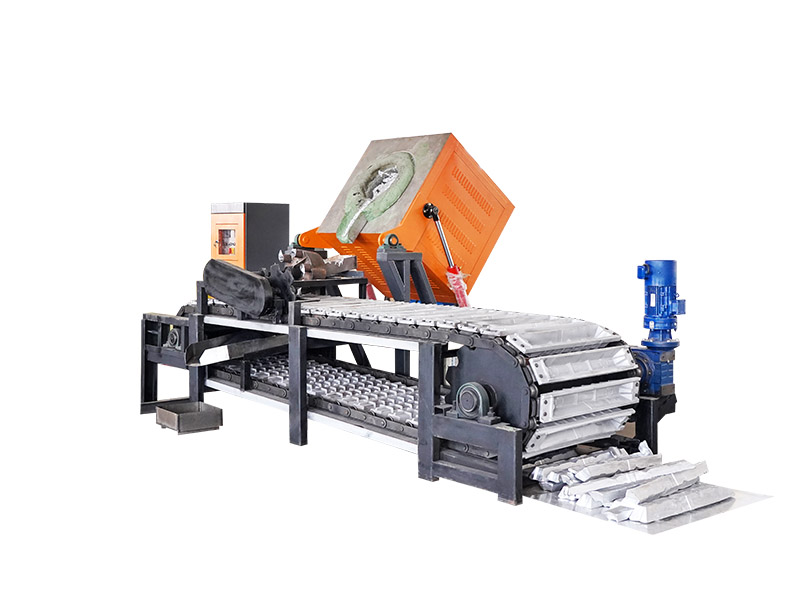
Finishing equipment is often where a promising rolling layout loses practical capacity. The cooling bed, transfer devices, straightening, cold shearing, counting, and bundling arrangement must suit the available space and the product lengths the plant intends to sell. Safe access and jam recovery should appear on the layout, not as later additions.
Review the thermal path alongside the mechanical path. Our steel billet heating furnace process guide explains why heating, transfer timing, and rolling readiness need to be planned as a connected operating sequence.
Use automation to support repeatability
Automation should help operators see line condition, coordinate speeds, and record useful maintenance information. It should not be treated as a substitute for accessible equipment, clear operating procedures, or trained personnel. Specify the signals, alarms, manual override needs, and data points that matter to the maintenance and production teams.
A practical controls review covers drive coordination, temperature and speed feedback where relevant, equipment interlocks, fault history, and the ability to diagnose a stop without searching through unrelated alarms. Define the plant’s power, cooling-water, compressed-air, and civil interfaces at the same stage.
Compare supplier proposals on operating detail
Comparable proposals describe scope boundaries, layout assumptions, utilities, commissioning responsibilities, training, documentation, and spare-parts recommendations. Ask suppliers to identify what is included at each handoff and which customer decisions are still needed. This makes differences in scope easier to see than headline capacity alone.
- Check that the proposed line supports the planned billet and finished-bar range.
- Confirm interfaces for reheating, cooling, cutting, bundling, and utilities.
- Review maintainability, access, and recommended critical spares.
- Agree acceptance criteria based on documented process requirements.
When your team is ready to turn the operating brief into a project scope, contact our engineering team to discuss the line configuration, equipment interfaces, and support needed for your application.
Prepare for commissioning and lifecycle support
Commissioning should be planned as a controlled handover, not simply the date when the equipment first turns. Before production trials, confirm that utilities, guards, lubrication points, instruments, control logic, and operating instructions have been reviewed by the people who will run and maintain the line. Keep a clear record of settings and observations during initial trials so recurring issues can be traced instead of treated as isolated events.
Maintenance planning is equally practical. Identify the components with long procurement lead times, establish inspection intervals that reflect actual duty, and agree who is responsible for roll, guide, drive, and cooling-system checks. A useful spare-parts list separates routine consumables from parts that protect recovery after an unplanned stop. It also records specifications and supplier references clearly enough for the plant to order the right item later.
Make the acceptance plan usable
Before final acceptance, agree how production records, operating training, safety checks, and open technical items will be documented. The most useful plan is specific to the equipment and application: it states what will be observed, who will sign off, and how unresolved points will be closed. This helps the project move from installation to stable operation with a shared understanding between the supplier and plant team.