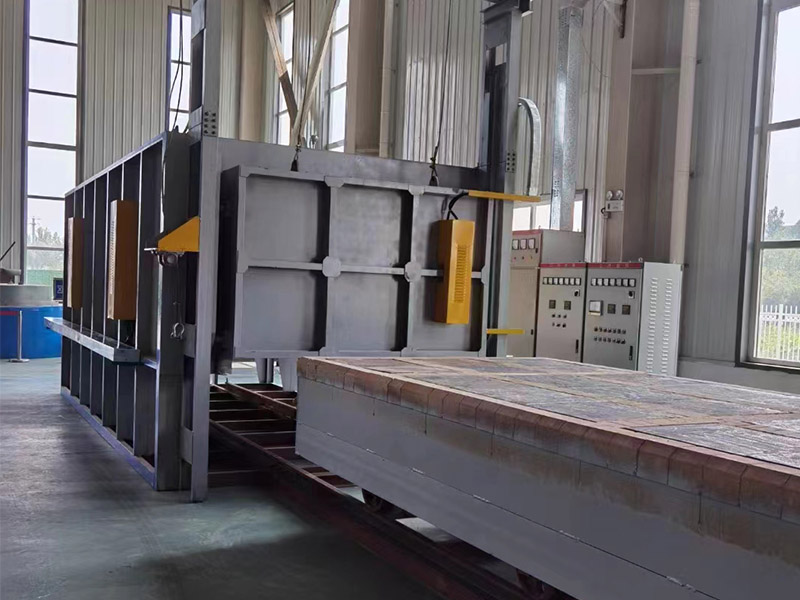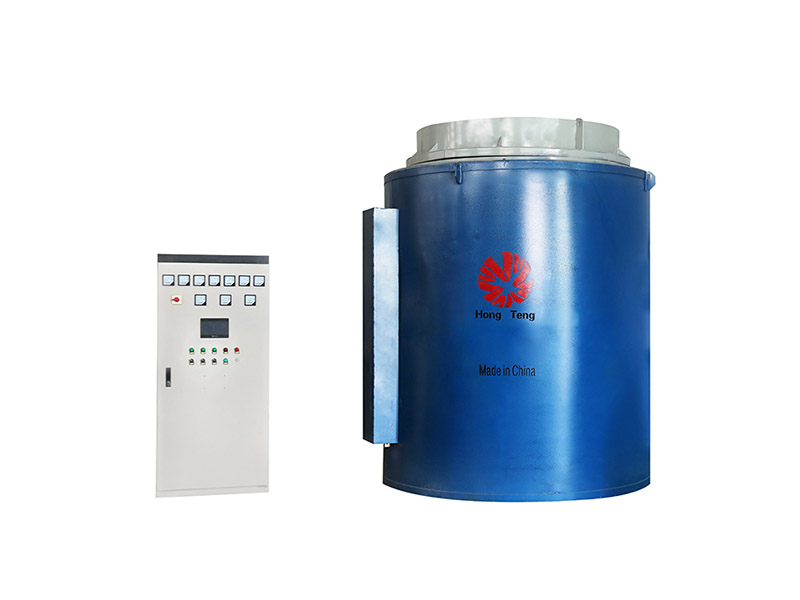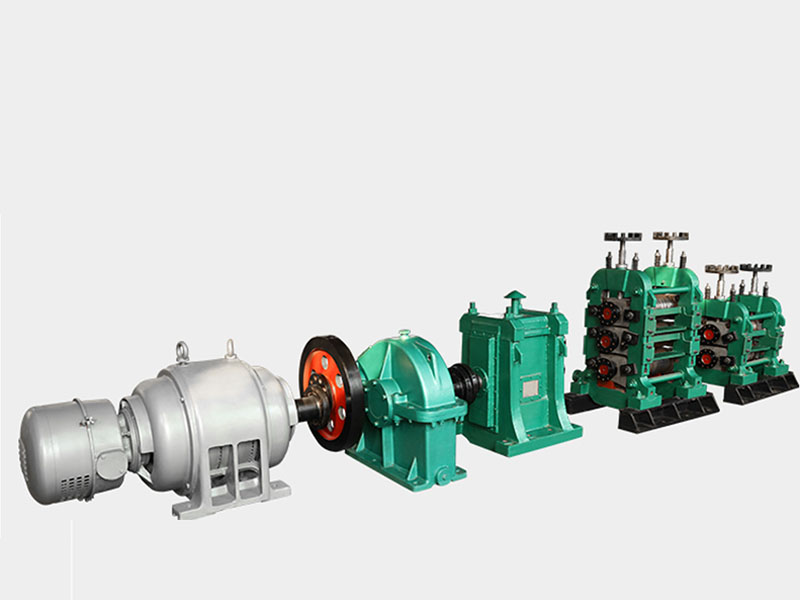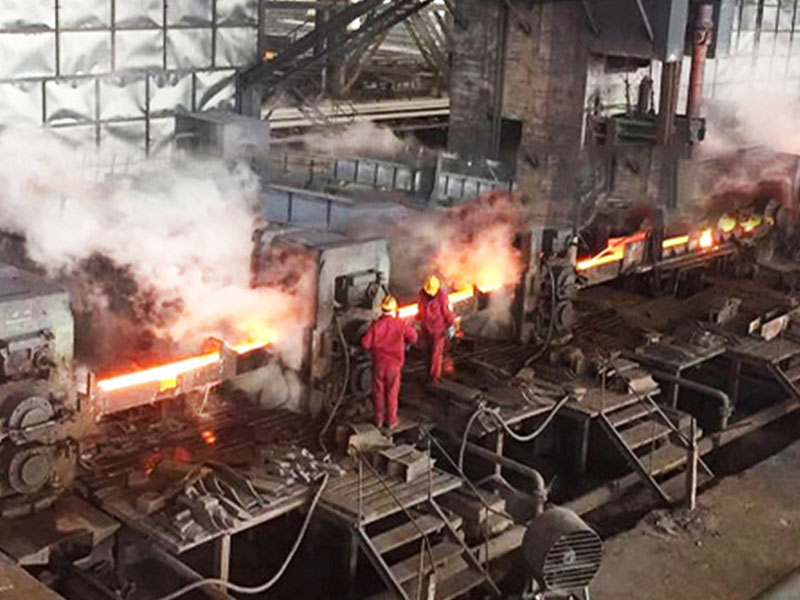
An aluminum homogenizing furnace is selected to support a controlled thermal stage between casting and downstream processing. For billet and log producers, the purchasing decision should connect alloy range, load size, temperature uniformity needs, throughput, cooling method, handling, and site utilities. A furnace that appears suitable on nominal capacity alone may not fit the required production sequence. This guide gives buyers a practical way to define an aluminum homogenizing furnace project and evaluate the equipment around it.
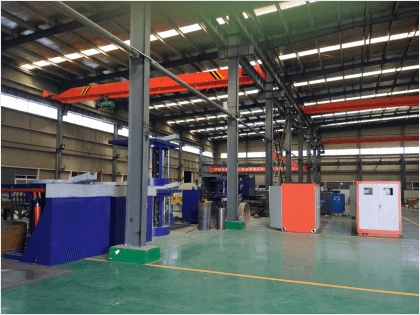
Start with the material and production plan
Define alloy families, billet or log diameters, load weights, target output, and downstream requirements. State whether the plant requires batch flexibility, a continuous material flow, or a combination of both. These choices affect chamber size, loading equipment, circulation, controls, and cooling capacity.
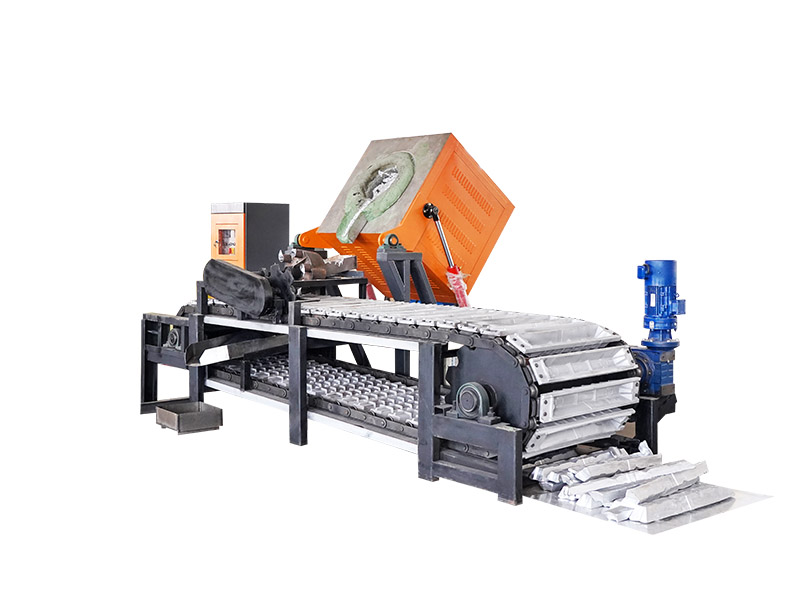
Also describe the upstream casting route. A project may need to interface with deep well continuous casting equipment, handling vehicles, storage, and inspection stations.
Evaluate heating, circulation, and uniformity
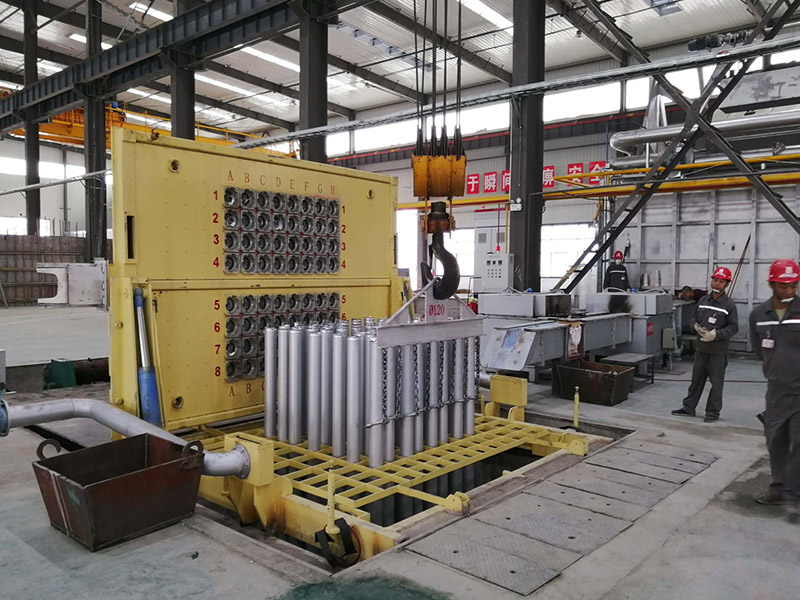
Heating system, circulation fans, baffles, controls, and load arrangement influence how the furnace performs with the stated load. Request a proposed load pattern, temperature-control approach, sensor locations, and an explanation of how the supplier will verify the agreed operating parameters. Do not assume that one set of conditions applies to every alloy, diameter, or load pattern.
For gas-fired systems, discuss combustion controls and ventilation; for electric systems, review supply capacity and control strategy. In either case, access for fans, sensors, and insulation inspection is important for lifecycle reliability.
Specify the cooling and handling sequence
Cooling is part of the process scope, not a final optional stage. Define whether the project uses air, water-assisted air, a cooling chamber, or another controlled arrangement. Consider transfer time from furnace to cooling, handling safety, drainage, and maintenance access.
- List planned load dimensions and maximum mass.
- Confirm loading, unloading, and transfer equipment.
- Define utility requirements and alarm conditions.
- Reserve clearance for inspection and service work.
Connect the furnace to the complete line
Site layout should show the furnace, cooling station, carts, lifting equipment, operator walkways, utilities, and emergency access. Coordinating early with an aluminum casting line avoids late changes to foundations and material flow.
Ask for single-line electrical diagrams, control interfaces, foundation loads, and clear responsibility boundaries. Commissioning tests should demonstrate safe movement, alarms, records, and the agreed operating functions.
Plan maintenance and acceptance
Before delivery, agree a handover file containing drawings, operating instructions, parts lists, inspection intervals, and training. Maintain records for temperature controls, fan condition, doors, insulation, and handling equipment. This gives the operating team a useful baseline after a schedule or product mix changes.
Compare proposals by process capability, utilities, layout, safety, automation, delivery scope, and lifecycle support. Review foundry equipment services, the relevant heat treatment equipment, and contact our team when planning your project.
Set a clear process and acceptance basis
Procurement documents should identify the planned alloy range, load dimensions, target production sequence, and the utilities available at the installation. They should also distinguish the furnace’s mechanical functions from the responsibilities of upstream casting, loading, cooling, and downstream storage equipment. This prevents an otherwise capable furnace from being delayed by an overlooked interface. The supplier should provide drawings that show loading direction, doors, fan and burner access, sensor locations, utility connections, and safe operator routes.
Acceptance should be based on the stated load and agreed operating procedure. Include checks for movement, doors, alarms, records, controls, and safety functions. Temperature performance should only be discussed with the relevant load, instrumentation, process parameters, and measurement method defined. Keep the delivered test records with maintenance documents so future operators have a useful baseline rather than relying on undocumented assumptions.
Make lifecycle support part of the decision
Ask which spares are recommended for commissioning stock, how fan drives and sensors are serviced, and what access is required for insulation, doors, and handling equipment. A furnace layout that provides safe maintenance clearance is easier to keep reliable than one that only fits the initial floor plan. Training should cover normal startup, shutdown, alarms, planned inspections, and what to do after a utility interruption.
Review total project scope rather than comparing only furnace price. Energy source, controls, loading equipment, cooling, foundations, installation, commissioning, documentation, and support all influence the practical cost and uptime of an aluminum homogenizing furnace installation.