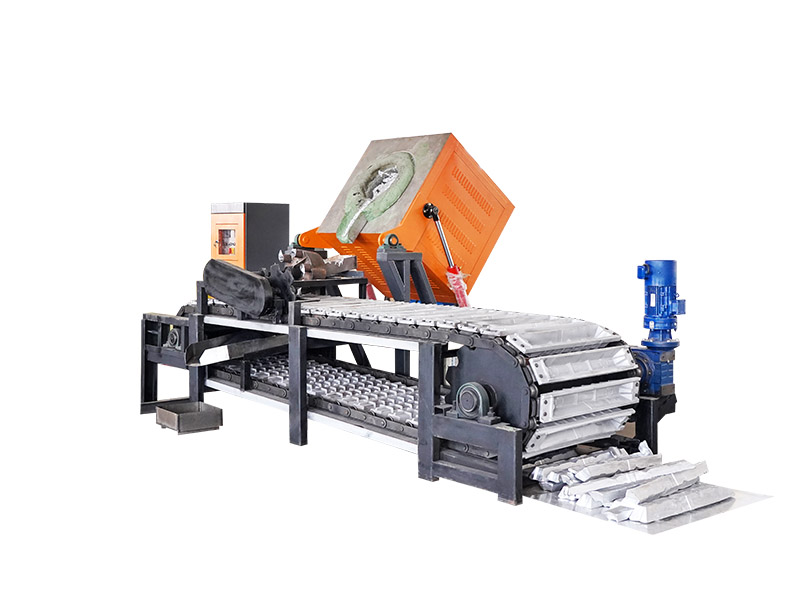
An aluminum billet casting machine must do more than form a round section. It has to support a repeatable path from conditioned molten metal to billets that meet the downstream extrusion, forging, or remelting plan. For buyers, the important decision is not a catalog capacity alone. Casting method, alloy range, billet diameter, cooling control, automation level, site utilities, and maintenance access all shape whether a line can operate predictably. This guide gives procurement and engineering teams a practical structure for comparing an aluminum billet casting machine and defining the scope around it.
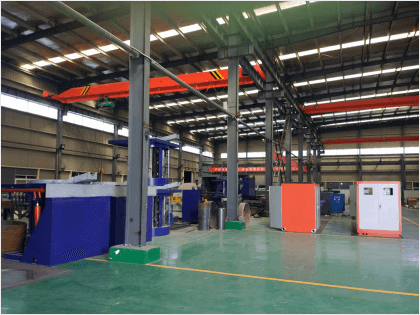
Define the billet requirement before choosing the machine
Start with the product plan: alloy families, target diameters, billet lengths, monthly output, and downstream quality requirements. These inputs affect the casting table, mold arrangement, metal-distribution system, and pull-down equipment. They also determine whether the proposed line has enough flexibility for planned product changes.
Describe the charge source and melt treatment route as well. Scrap ratio, return metal, alloy additions, and metal-cleanliness requirements affect the upstream furnace, holding, transfer, and filtration choices. A casting machine cannot compensate for an undefined melt-preparation process.
Match the casting method to production priorities
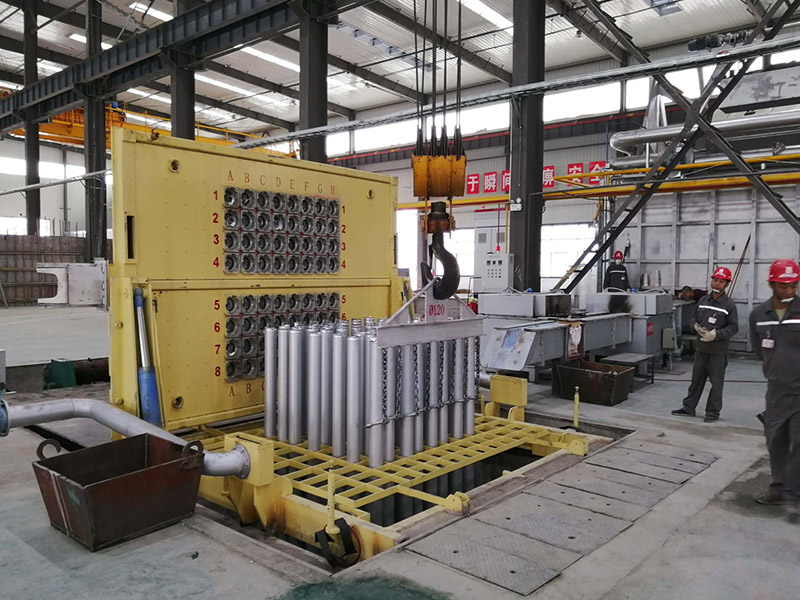
Vertical direct-chill and related billet-casting configurations are commonly evaluated for extrusion-billet production because controlled mold and secondary cooling are central to solidification. The best arrangement depends on billet size, alloy, output, plant layout, and local operating experience. Request a process-flow drawing that identifies metal flow, cooling zones, handling, and safety interfaces.
Where a broader casthouse project is planned, compare the machine with the upstream deep well continuous casting equipment scope. The interface between the two should be engineered early, particularly for pit arrangement, lifting travel, and emergency procedures.
Evaluate metal delivery and cooling as a connected system
Metal transfer, distribution, molds, and cooling water must work together. Buyers should ask how the line monitors metal level and temperature, how it manages flow to each position, and how cooling-water quality, pressure, and return routing are handled. Stable utilities and clear operating limits help the team respond before a small variation becomes a production interruption.
Request the proposed instrumentation list and identify the signals that are displayed, recorded, alarmed, or interlocked. Confirm what happens during power loss, low cooling-water flow, a sensor fault, or an abnormal metal-level condition. Specific answers are more valuable than broad claims about automation.
Specify capacity in useful operating terms
Capacity should be described through planned operating hours, alloy changeovers, yield assumptions, billet sizes, and the time needed for inspection and maintenance. A nominal rate does not show the effect of product switching or the practical limits of handling and downstream homogenization.
- List the intended alloy and diameter range for the initial production plan.
- Define the expected number of casting positions and normal shift pattern.
- Confirm utility requirements for electricity, cooling water, compressed air, and metal transfer.
- Ask for floor space, pit, lifting, access, and maintenance-clearance drawings.
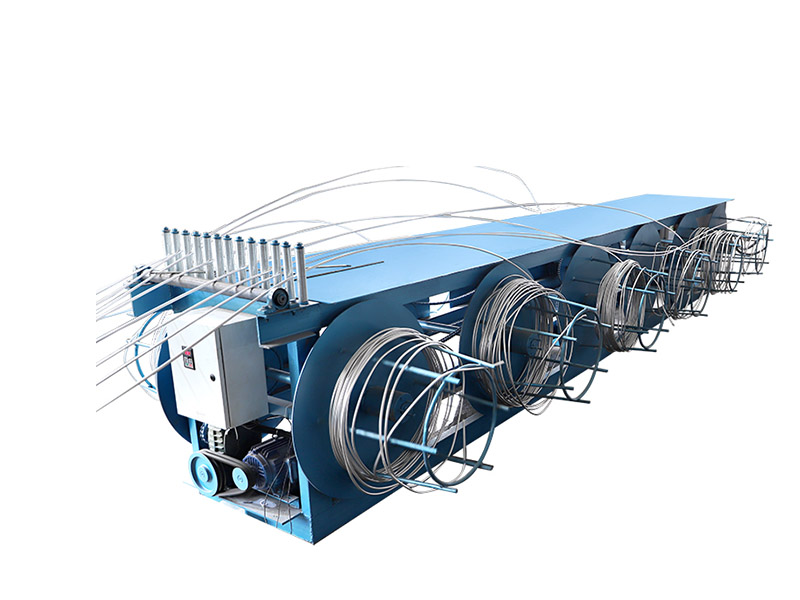
These details also help align the line with an aluminum rod horizontal continuous casting line when both product routes share a site.
Plan quality control and traceability
The purchase specification should state how heats, alloys, casting parameters, and billet lots will be identified. Decide which process records are needed for internal review and which measurements require calibrated instruments. Good traceability supports problem solving without implying that the equipment alone guarantees a particular metallurgical result.
Build inspection points into the workflow for mold condition, cooling circuits, graphite or refractory components where applicable, and billet handling. Clearly assign who approves a restart after an alarm or utility interruption. Practical procedures reduce ambiguity during a busy shift.
Consider installation, training, and lifecycle support
A well-specified machine still needs an installation plan that covers foundations, pit work, cranes, utilities, guarding, commissioning, and operator access. Ask the supplier to identify excluded civil work and owner-supplied interfaces. Include commissioning tests that verify safe motion, control functions, cooling performance, and the agreed process records.
Training should cover normal operation, alarms, shutdown, routine inspection, and parts identification. For a complete project discussion, review foundry equipment services alongside the casting production line options.
Use a comparison sheet that supports a decision
Compare proposals against the same requirements: product range, process flow, capacity basis, automation, utilities, safety functions, deliverables, commissioning scope, and spares. Record assumptions and open technical questions rather than allowing them to disappear into a commercial quotation.
When you are ready to assess layout and process needs, contact our engineering team with your alloy range, target billet sizes, available utilities, and planned output. That gives the discussion a reliable starting point for an aluminum billet casting machine project.
Acceptance criteria should be agreed before delivery
Set acceptance checks around the machine functions that can be safely demonstrated at commissioning: motion and limit functions, cooling-water alarms, control signals, guarding, documentation, and the agreed data records. Process performance must be assessed against the defined alloy, billet size, utilities, and operating procedures; it should not be separated from the inputs that influence it.
Keep a handover file with drawings, electrical and hydraulic schematics, spare-parts lists, maintenance intervals, and training records. This gives the operating team a dependable reference when the line is expanded, operators change, or an unusual alarm requires structured troubleshooting.
Plan spares and maintenance access from the start
Ask which wear items and electrical components are recommended for commissioning stock, where they are stored, and how they can be replaced safely. Allow clear access to pumps, valves, cables, sensors, and moving equipment. A practical maintenance layout reduces delayed inspections and helps the team return the machine to service in a controlled way after planned work.