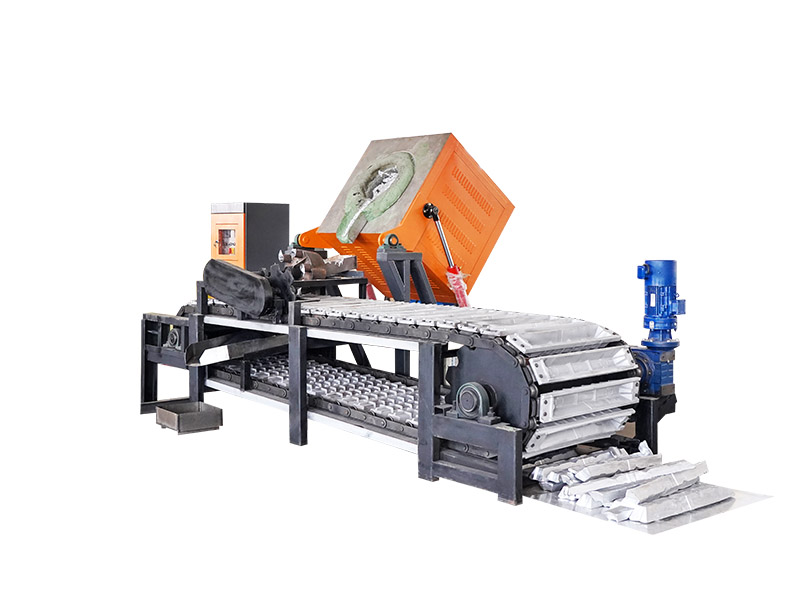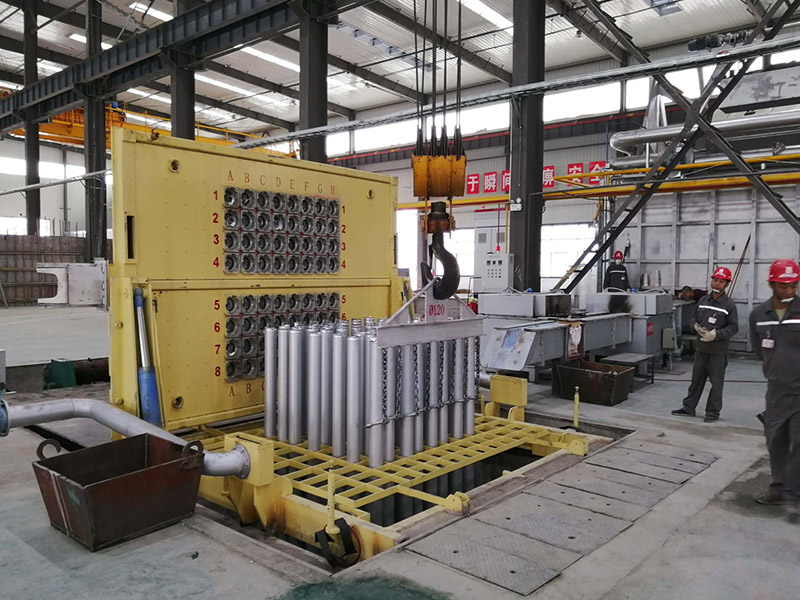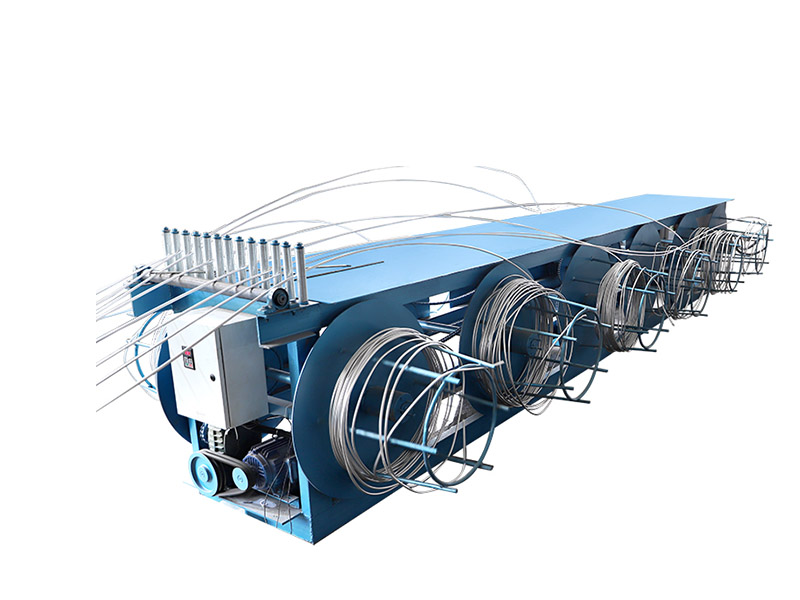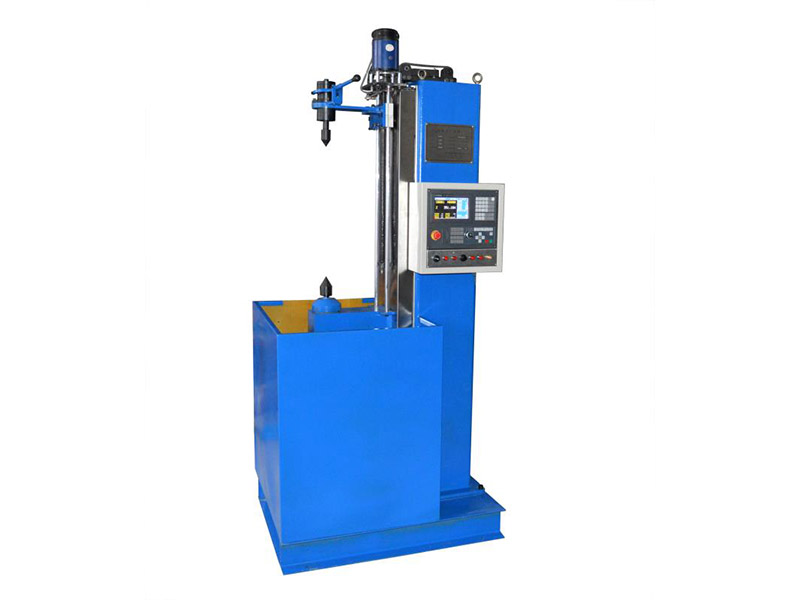
A mesh belt furnace is often the practical choice when a plant needs continuous heat treatment for a steady stream of small or medium components. It can support processes such as tempering, annealing, brazing, sintering, or hardening when the furnace, atmosphere, belt, loading method, and cooling section are matched to the work. This buyer guide explains what to define before requesting proposals and how to avoid treating throughput as the only specification.
Confirm that continuous flow fits the production pattern
Mesh belt furnaces suit repeatable parts and a reasonably stable production flow. The belt carries parts through defined heating, soak, atmosphere, and cooling zones, making the process easier to integrate with automated loading and unloading. They are less suitable when jobs vary widely in mass, geometry, recipe, or batch urgency.
Start with the real production mix: part material, largest dimensions, individual and total load, hourly demand, changeover frequency, and the required heat-treatment route. These inputs are more useful than a single capacity target because they reveal whether the line needs accumulation, multiple recipes, or a separate batch process.
Define the thermal recipe, not just maximum temperature
A maximum temperature does not tell a supplier how the parts must be heated. Specify setpoint range, permitted temperature variation, heat-up rate, soak time, transfer time, and cooling requirements. Describe the critical property or microstructure outcome and how your quality team will verify it.
For operations that combine heating and rapid cooling, coordinate the furnace with the relevant quenching equipment. The handoff must protect part orientation, cycle timing, and operator safety.
Match belt design to the workpiece
The belt is a process component, not a generic conveyor. Its alloy, weave, support arrangement, width, edge tracking, and allowable loading must fit the furnace temperature, atmosphere, and part geometry. Small sharp parts may snag or fall through an unsuitable mesh; a high mass per area can shorten belt life or distort the travel path.
Ask the supplier how belt speed is controlled, how tracking is monitored, and how replacement is performed. Request accessible inspection points and a planned spare strategy. A belt issue can stop a continuous line, so maintenance access matters as much as the initial configuration.
Specify atmosphere and cooling as controlled zones
Atmosphere selection depends on the process and material. State whether the line needs air, inert, protective, or reactive gases, and define the monitoring and safety requirements with qualified process specialists. Where gas handling is involved, include purge logic, interlocks, exhaust arrangements, and alarm response in the scope.
Cooling also changes the final result. A controlled cooling zone may use air, circulation, or another specified method, while certain processes need a closely coordinated quench. Define the target exit temperature, cooling rate where relevant, and the conditions at unloading so that parts are safe to handle and ready for the next step.
Plan loading, controls, and traceability
Good line performance begins before the entry curtain. Determine how parts are oriented, separated, weighed, and queued. Consistent loading supports even heating and helps the plant avoid overloads that reduce temperature recovery or damage the belt.
Specify the control architecture early: recipe management, zone temperature recording, belt-speed feedback, alarms, data export, and permissions. Plants adding broader thermal capacity can compare the project with a bogie-type annealing furnace when batch flexibility is more valuable than continuous flow.
Use an acceptance plan before placing the order
- Define the representative part families and production rates for testing.
- Agree the temperatures, times, atmosphere conditions, and quality records to be supplied.
- Check loading, unloading, guarding, emergency stops, and maintenance access.
- Document training, recommended spares, and the commissioning responsibility.
A factory acceptance test and site acceptance plan should reflect the actual process window, not an empty furnace demonstration. This gives purchasing, production, maintenance, and quality teams a common basis for acceptance.
Energy use should be evaluated in the same operating context. Compare insulation, zone control, standby behavior, exhaust demand, heat recovery opportunities, and the expected schedule rather than relying on a single nameplate figure. A line that starts and stops frequently can have different priorities from one that runs a stable multi-shift schedule.
Also identify the interfaces beyond the furnace: upstream washing or coating removal, baskets or fixtures, post-treatment inspection, material handling, and plant utilities. A complete layout review should show where operators stand, where maintenance work is performed, and how parts are contained if a belt or drive alarm occurs.
Before finalizing the purchase, ask for a utility schedule that lists electrical demand, gas consumption where applicable, compressed air, cooling water, exhaust connections, and floor loading. Confirm the site can support normal operation as well as startup, alarm response, and maintenance activities. Clarifying these interfaces early reduces commissioning changes and helps the project team plan installation without disrupting established production.
Finally, agree who owns the process handover. The supplier can provide equipment knowledge, while the plant must validate its own approved recipes, inspection methods, material flow, and safety procedures. A documented handover turns the installed furnace into a controlled production asset rather than simply a new piece of machinery.
Build the business case around stable output
| Evaluation area | What to compare |
|---|---|
| Throughput | Usable output at the stated part mix, not theoretical belt loading. |
| Quality control | Zone control, records, atmosphere provisions, and cooling consistency. |
| Lifecycle support | Belt access, spares, training, and service response. |
The best mesh belt furnace proposal connects the process recipe to the full production line. Review heat treatment equipment services, consult the equipment FAQs, or contact us with your part and production data for a focused discussion.