Rolling mill equipment is selected most effectively when the whole production route is considered. Material temperature, billet condition, pass schedule, handling, cooling and finishing all influence what a reliable line needs. A buyer who defines the operating plan before comparing machinery can identify realistic capacity, safety and maintenance requirements. This guide outlines the main engineering questions for a rolling-mill project.
Media Library fallback image: existing site media.
Start with the product and output plan
Document the product range, starting section, finished dimensions, annual volume, shift pattern and quality requirements. Include planned changeovers and the expected condition of incoming billets or feedstock. These details establish whether the line needs flexibility, high throughput, or a more focused configuration.
A capacity figure should allow for charging, heating, roll changes, cobble recovery, inspection and planned maintenance. Continuous operation at a theoretical maximum is not a useful basis for an investment decision.
Balance the line from entry to exit
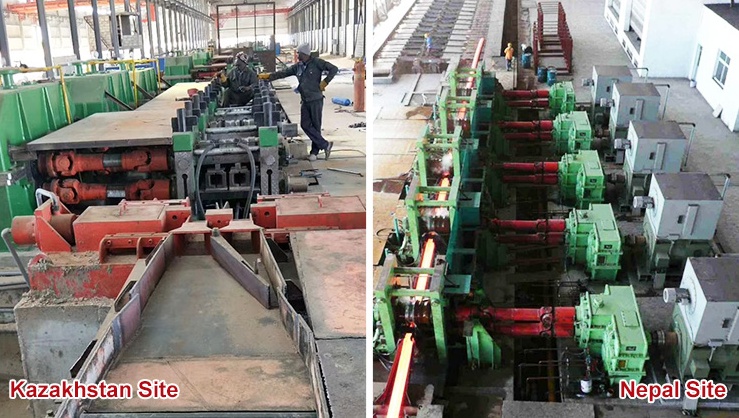
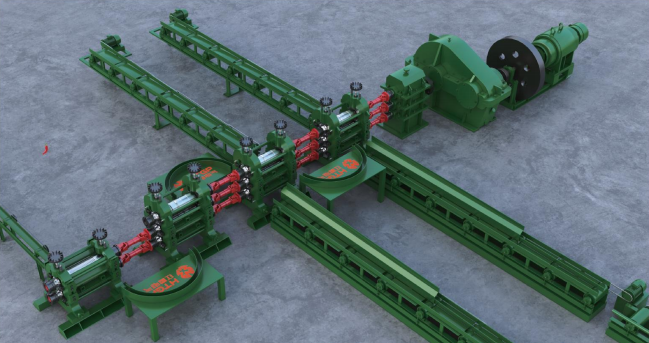
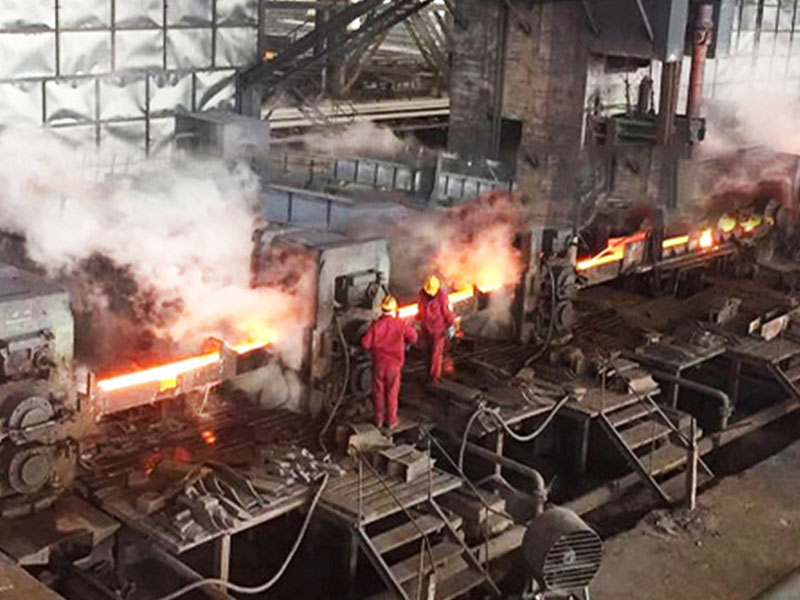
A rolling mill contains connected stages rather than independent machines. Heating, descaling, stands, guides, shears, cooling beds, collection and finishing must have compatible speeds and practical buffers. A bottleneck at one stage can reduce output across the whole line.
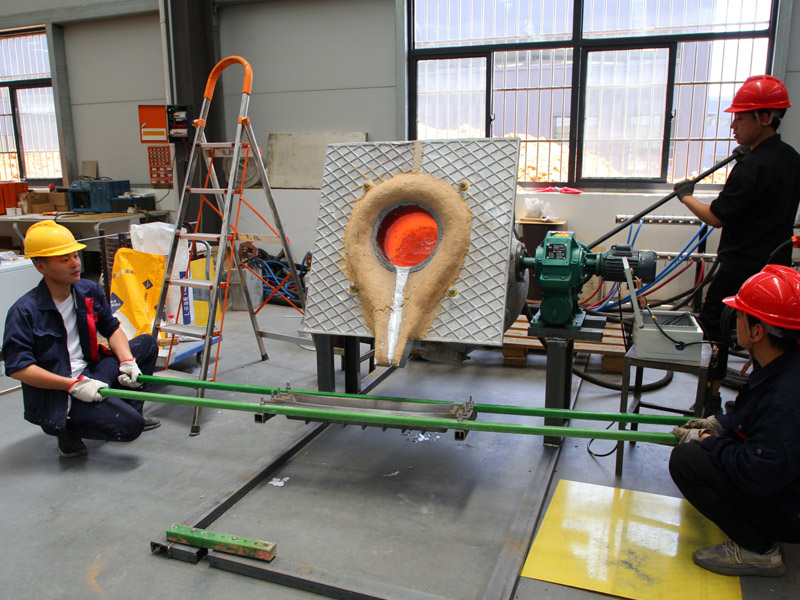
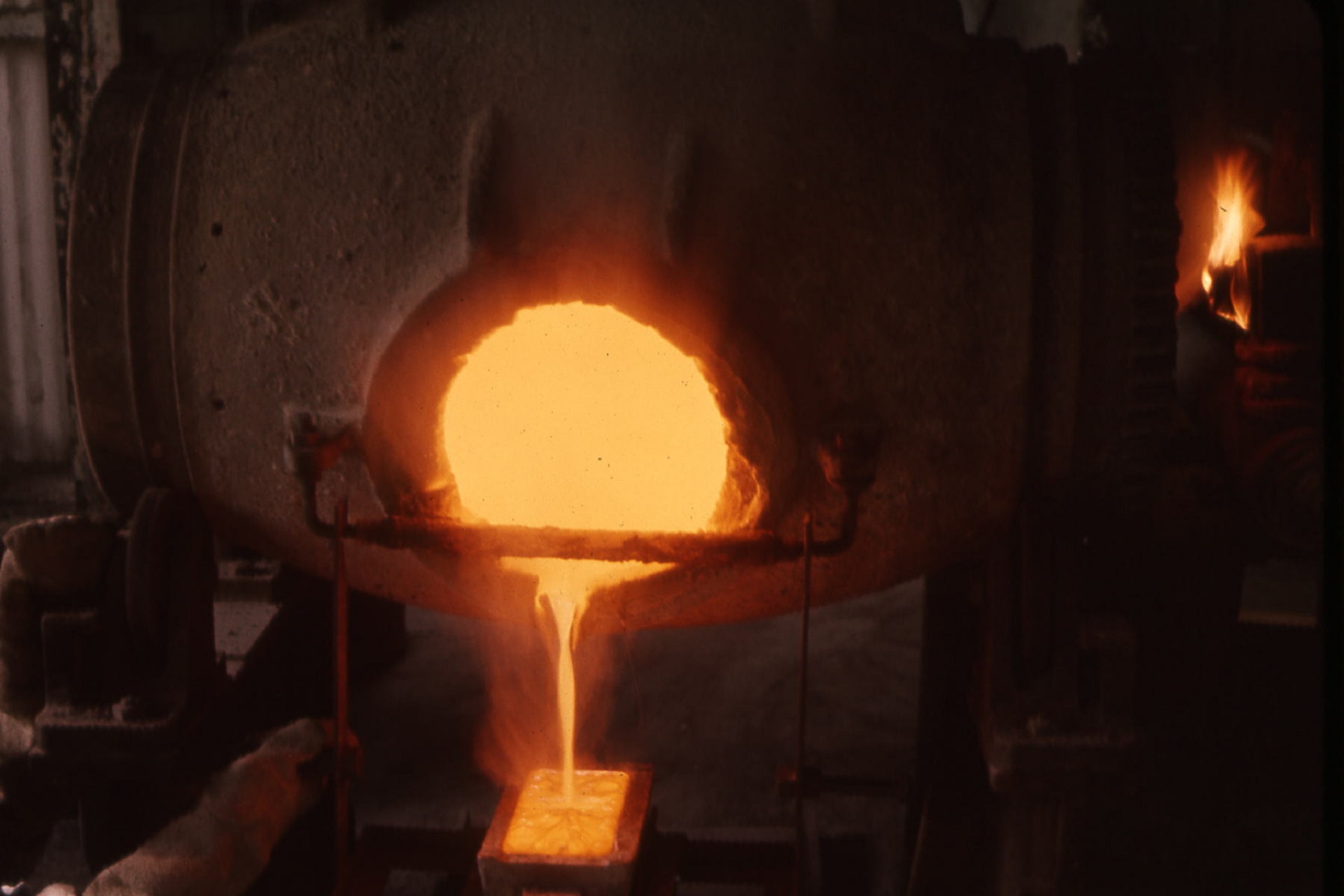
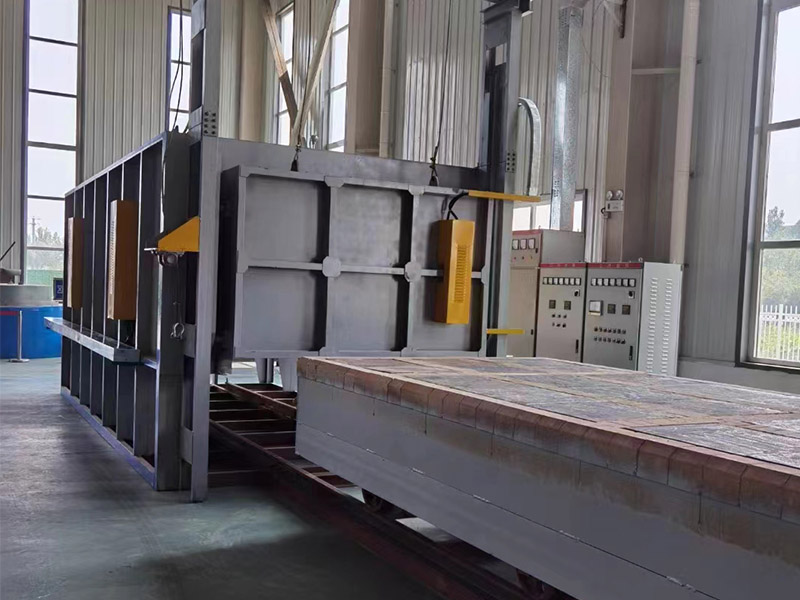
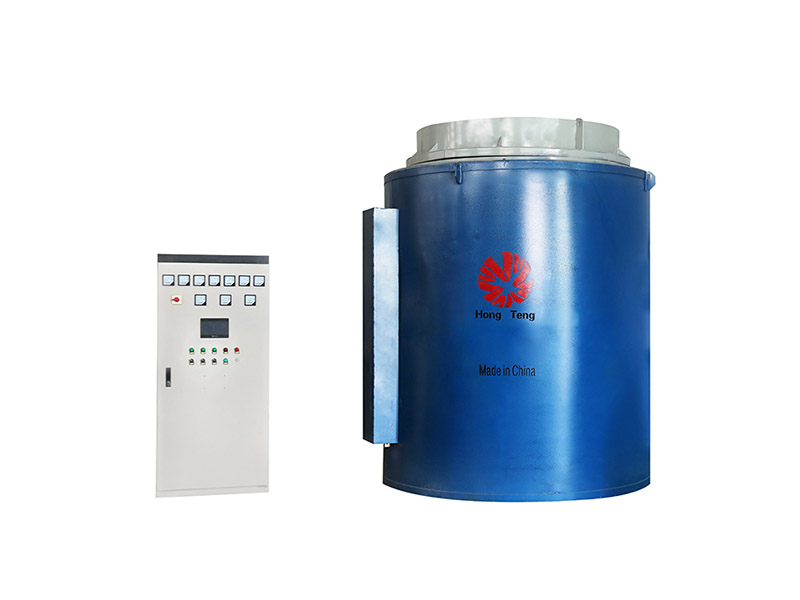
Review how a steel billet heating furnace feeds the planned rolling sequence. Temperature consistency and transfer timing deserve the same attention as rolling-stand capacity.
Select stands, drives and guides together
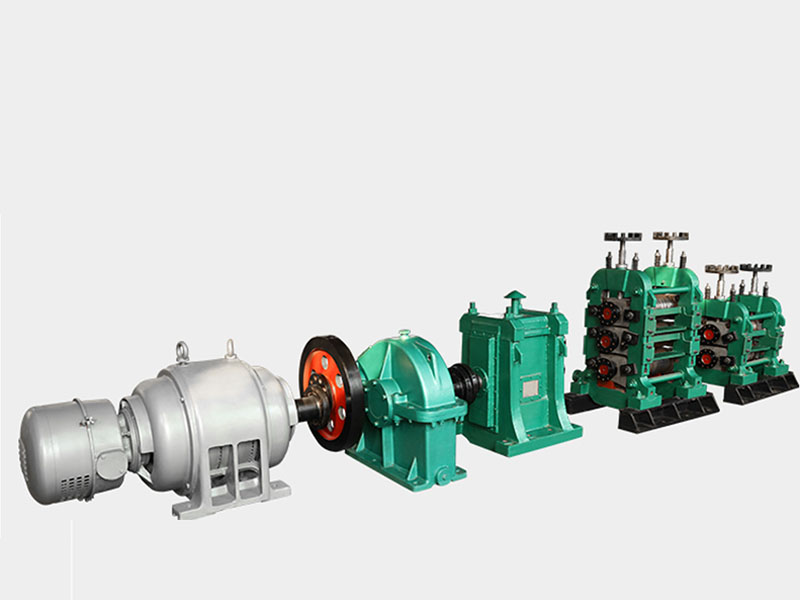
Stand arrangement, roll design, motor rating, gearbox selection and guide accuracy affect dimensional control and line stability. Define the required product range and pass schedule before comparing individual components. Equipment should be specified for the normal production mix, with clear limits for exceptional products.
Ask how guide adjustment, roll changing and drive maintenance will be performed. Access that appears adequate on a layout drawing may be insufficient once guards, services and lifting equipment are in place.
Plan controls around operators
A useful control system provides speed coordination, interlocks, production records and alarms that help the operating team act quickly. It should make abnormal conditions clear rather than simply display a large number of values. Training, fault history and manual recovery procedures need to be included in commissioning scope.
Integration with upstream casting is important for plants using a continuous rolling mill. Match transfer, temperature and buffer assumptions across both processes.
Design for maintenance and safety
Provide safe access for roll changes, guide adjustment, lubrication, inspection and electrical work. Review guarding, emergency stops, walkways, drainage and lifting arrangements before construction. A line that is difficult to inspect will be harder to operate reliably.
Include critical spares, service intervals and planned shutdown tasks in the project budget. Maintenance requirements should be understandable to the plant team, not left as an untested supplier assumption.
Make quotations comparable
- State product range, target output and quality requirements.
- Define incoming material and utility conditions.
- Request process layout, control scope and exclusions.
- Specify maintenance access and safety responsibilities.
- Agree commissioning and acceptance criteria.
For an integrated project, review related steel billet continuous casting equipment with the rolling schedule. A shared production plan prevents avoidable mismatch between casting and rolling output.
For help defining the technical scope, contact our engineering services team.
Commissioning and performance checks
Commissioning should verify material flow, speed coordination, guards, emergency stops and communication between the line sections. Begin with controlled trials and record temperatures, speeds, product dimensions and handling observations. These records create a useful baseline for later process improvement.
When output falls short of the plan, identify the actual constraint before changing settings. The cause may be reheating, transfer, a guide, an inspection hold or downstream handling. A common production record lets engineers distinguish a short interruption from a repeated line-balance issue.
Questions for supplier proposals
Request clear information about capacity assumptions, included drives, control cabinets, field installation, utility boundaries and recommended spares. Suppliers should state the normal product range and any conditions that limit throughput. This allows the project team to compare technical scope instead of only comparing a headline price.
Ask how roll changes, guide setting and inspection are supported during commissioning. A reliable line is built around the people who operate and maintain it each shift. Training, documentation and accessible service points should be evaluated as core equipment requirements, not optional extras.
Using production data to improve the line
Maintain a practical record of billet condition, heating time, speeds, interruptions, dimensions and reject causes. Review the information by product and shift to see where delays recur. Data should lead to a clear action, such as guide inspection, reheating adjustment or handling improvement, rather than becoming a report that operators cannot use.
Test process changes in a controlled way and keep the acceptance condition visible to production, maintenance and quality teams. The most dependable rolling lines are not only well designed; they are operated with shared standards, timely maintenance and a consistent understanding of how each stage affects the next.