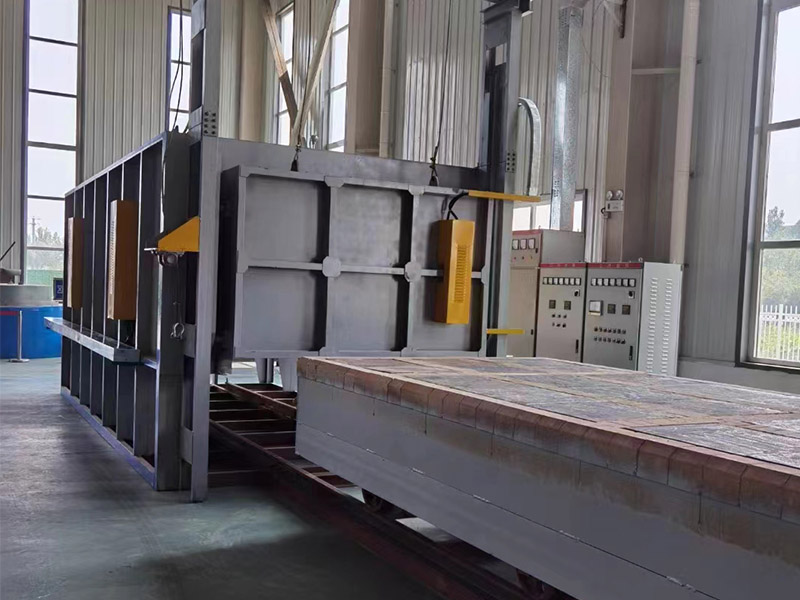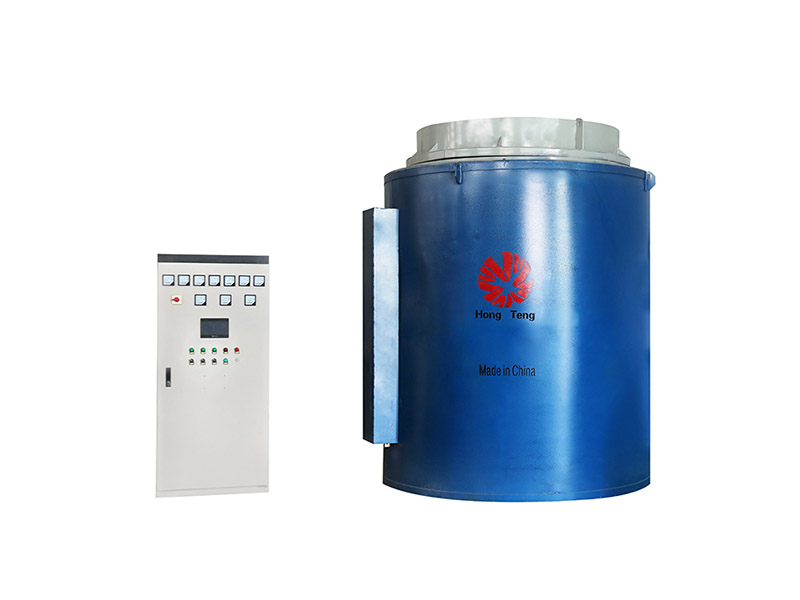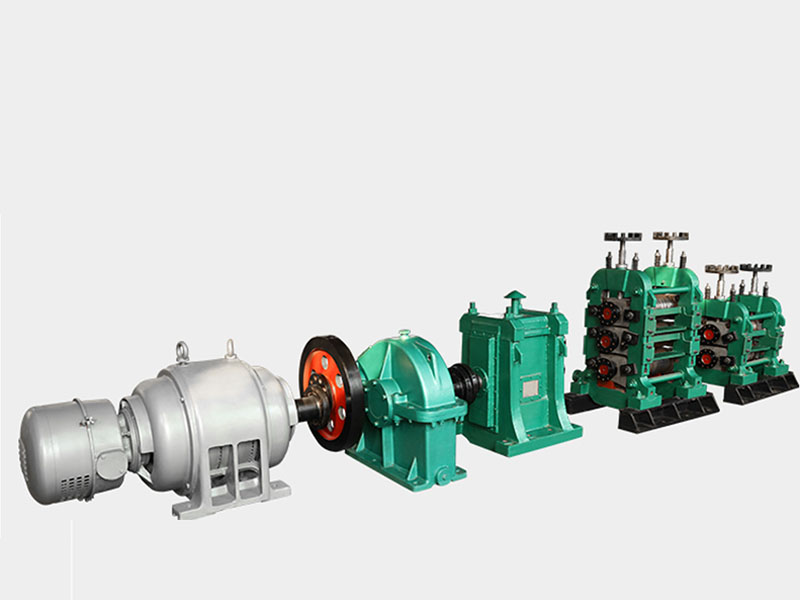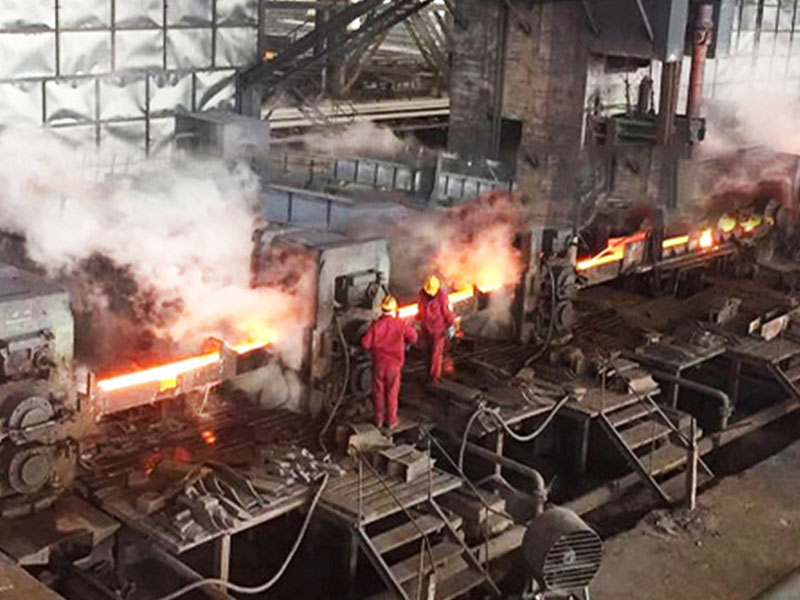
A trolley furnace, also called a bogie-hearth or car-bottom furnace, is built for batches that are too large, heavy, or awkward to load into a small fixed-chamber unit. Its movable hearth lets operators load work outside the hot chamber and move the batch into the heating zone. For procurement teams, the decision is not simply about chamber dimensions: a reliable trolley furnace must match the workpiece, heat-treatment recipe, handling method, utilities, and production schedule.
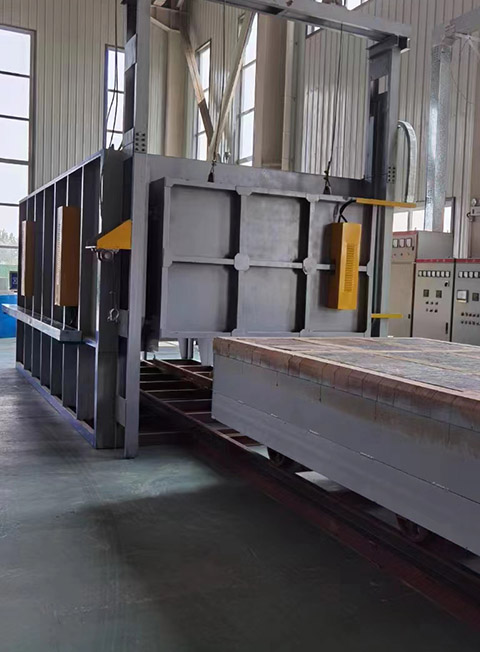
Where a trolley furnace fits
This furnace type is commonly considered for large castings, forgings, welded fabrications, dies, shafts, rolls, and other heavy components. Depending on process design, it may support annealing, normalizing, tempering, stress relieving, preheating, or other batch thermal cycles. The value of the moving hearth is safer and more practical loading, not a substitute for process control.
For buyers comparing equipment, the bogie-type annealing furnace is a useful reference point for defining capacity, loading, and heat-treatment needs.
Define the load before the furnace
Start with the largest realistic workpiece, not the average part. Record its mass, overall envelope, support points, material, loading orientation, and how it arrives at the furnace. Include fixtures, baskets, or pallets; these consume usable chamber volume and add thermal mass.
Then map the batch schedule. A furnace may have enough space but still fail the production plan if loading, door movement, soak time, cooling, and unloading cannot be completed within the required cycle. Separating available hours from actual productive hours produces a more credible capacity estimate.
Specify the thermal process in writing
The requested temperature alone does not describe a heat-treatment process. A proper inquiry should identify the temperature range, heating rate where relevant, soak time, allowable temperature variation, atmosphere requirement, cooling method, and recordkeeping needs. The process owner should review these items before equipment selection.
Temperature uniformity is especially important when a batch contains thick and thin sections. Sensors and controls should be selected around the process, with suitable locations for the load and chamber. The broader heat treatment equipment selection guide explains why process definition should come before comparing headline specifications.
Evaluate the trolley, door, and loading route
The moving hearth is a mechanical system that carries heat, weight, and repeated movement. Check trolley load rating, wheel arrangement, rail alignment, drive method, limit switches, and the interface between trolley and furnace floor. Ask how the design accommodates thermal expansion and how staff can inspect wear items.
Door sealing and trolley-to-furnace sealing influence heat loss, air infiltration, and working conditions. The right arrangement depends on the cycle and fuel or heating method. A proposal should state what is included for loading access, safety guarding, and interlocks rather than leaving these details for site installation.
Choose heating and insulation for the duty
Electric resistance and fuel-fired designs can serve different plant conditions. Compare them using available utilities, maintenance capability, control needs, emission constraints, and the required heating profile. Do not assume one energy source is always more economical; the usable result depends on the complete process and local operating conditions.
Insulation should be reviewed for operating temperature, cycling frequency, mechanical exposure, repair access, and expected heat retention. A lower heat-storage lining may help certain cyclic duties, but its suitability still needs to be evaluated alongside structural protection and the work environment.
Build safety and maintenance into the project
A trolley furnace should arrive with clear procedures for loading, isolation, ventilation, alarms, and emergency stops. The site layout must leave space for material movement and safe operator positions. Heavy loads demand attention to floor condition, crane or transfer equipment, and separation from pedestrian routes.
- Confirm access for elements, burners, sensors, and drive components.
- Define spare parts and recommended preventive-maintenance tasks.
- Require commissioning checks for controls, interlocks, and temperature recording.
- Assign responsibility for calibration and maintenance records.
Where quenching follows heating, integrate the handoff and timing with the line plan. The quenching equipment specification guide can help purchasing and engineering teams review that downstream interface.
Questions to ask in a supplier comparison
| Area | Question |
|---|---|
| Load | What mass and dimensions can the trolley carry safely? |
| Process | How will the proposed controls support the required cycle? |
| Utilities | What power, fuel, cooling, and exhaust connections are required? |
| Support | What documentation, commissioning, and service scope are included? |
Use identical process and load data when comparing quotations. This makes it easier to see whether two offers truly address the same duty and highlights exclusions before the purchase order.
Next steps for a dependable installation
A successful trolley-furnace project joins process engineering with practical material handling. Share representative drawings, the heaviest load, target cycles, utility details, and site constraints early. For layout, integration, and commissioning support, review the foundry equipment services or contact our technical team with your production requirements.
Conclusion
The right trolley furnace is sized around the real batch and controlled around the real process. Careful specification of load handling, thermal cycle, seals, safety, and service access gives a project team a stronger basis for stable, repeatable heat treatment.
Commissioning should prove the complete operating sequence
Commissioning is more than heating an empty chamber. Before production release, test the trolley movement, door sequence, emergency stops, alarms, controls, and recording functions with the site team present. Run an agreed representative load where practical, then document the cycle and any operating limits. Training should cover normal loading, isolation, basic inspection, and escalation of abnormal conditions. A shared acceptance record gives production, maintenance, and the supplier a clear reference for later service and process improvement.