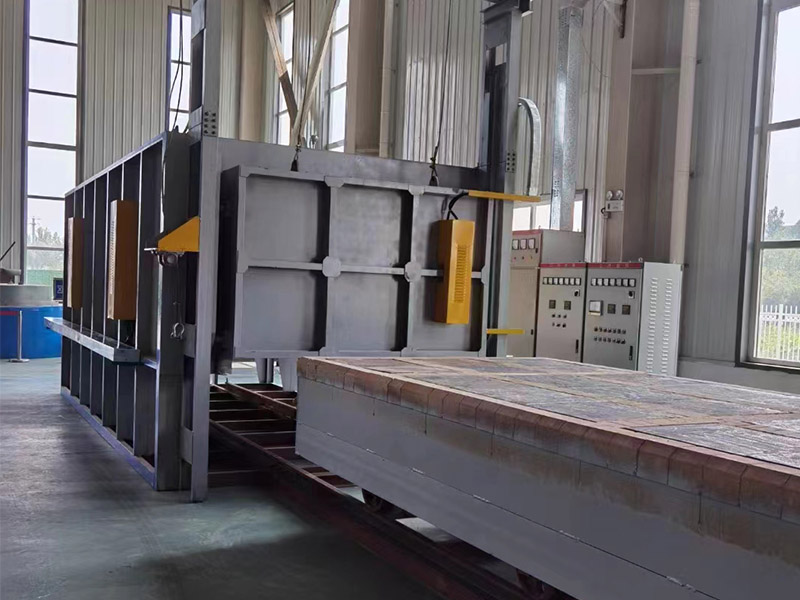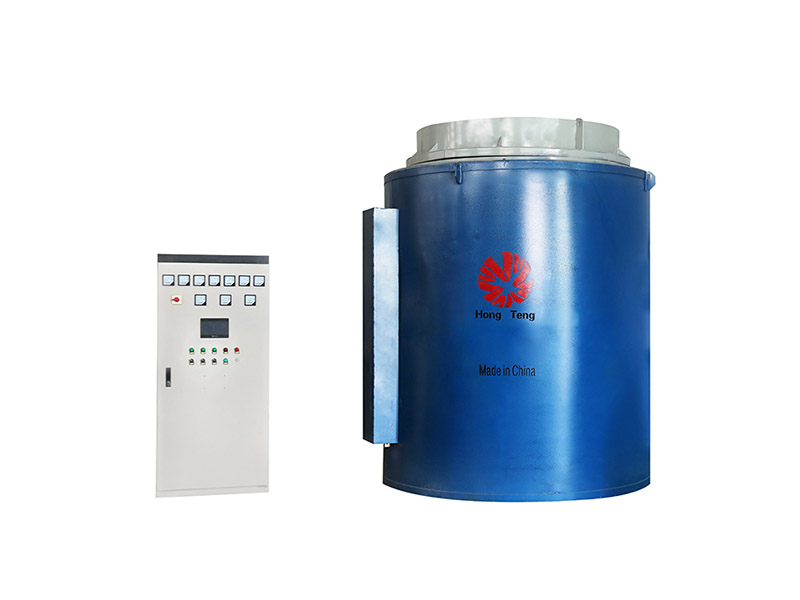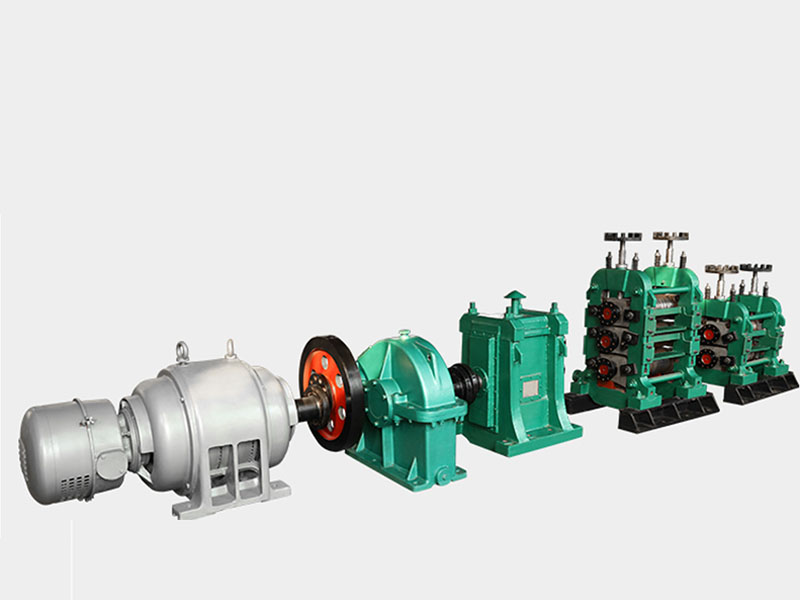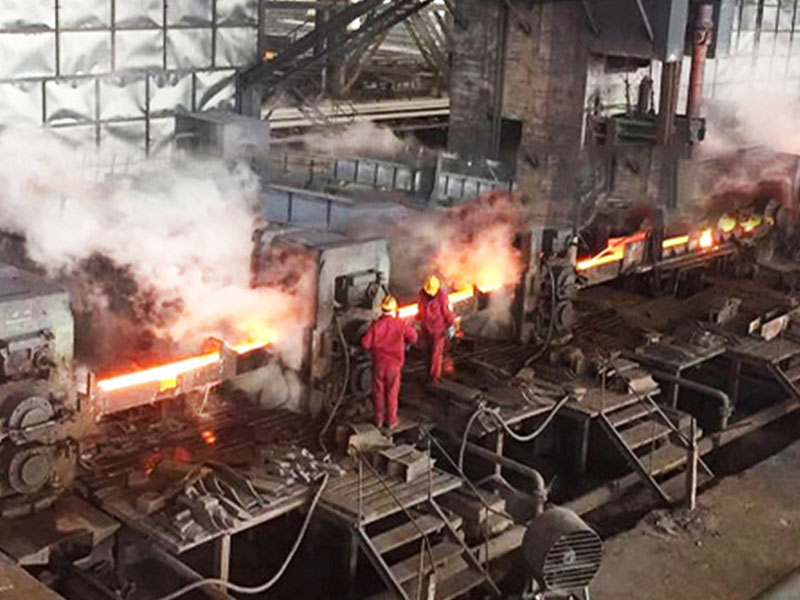
A lost foam casting production line combines pattern preparation, coating, dry-sand molding, vibration, vacuum control, pouring, cooling, shakeout, and sand handling into one process chain. For buyers, the right question is not simply which machine to buy. It is how the equipment should be arranged and controlled for the casting mix, output target, available utilities, and quality requirements of the intended operation.
This planning guide turns that question into a procurement checklist. It is written for engineering and purchasing teams that need a practical basis for comparing proposals without relying on vague claims. Final process parameters and safety controls should always be agreed with qualified equipment and process specialists.

Define the casting programme first
Begin with the parts to be produced: alloy, size range, wall thickness, weight, annual volume, quality criteria, and expected variation. The pattern design and process window can differ significantly between casting families, so a generic capacity figure is not enough to establish the line requirement.
Map each part through the intended process, including pattern production or supply, cluster assembly, coating, drying, molding, pouring, cooling, and finishing. This exposes bottlenecks before they become expensive layout changes.
Understand the core equipment sections
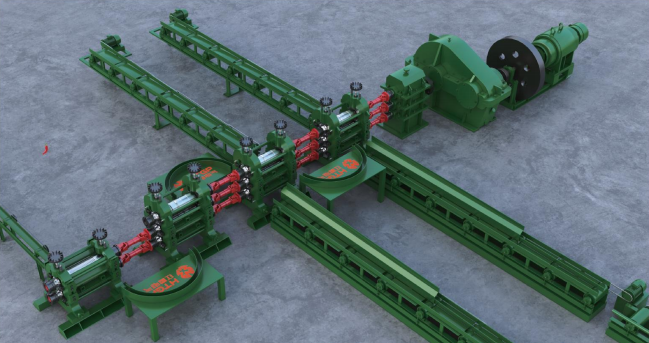
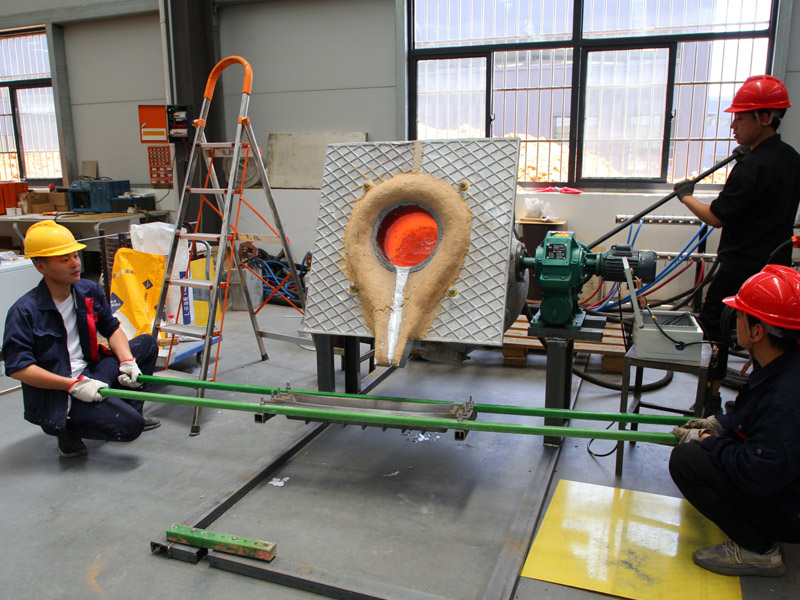
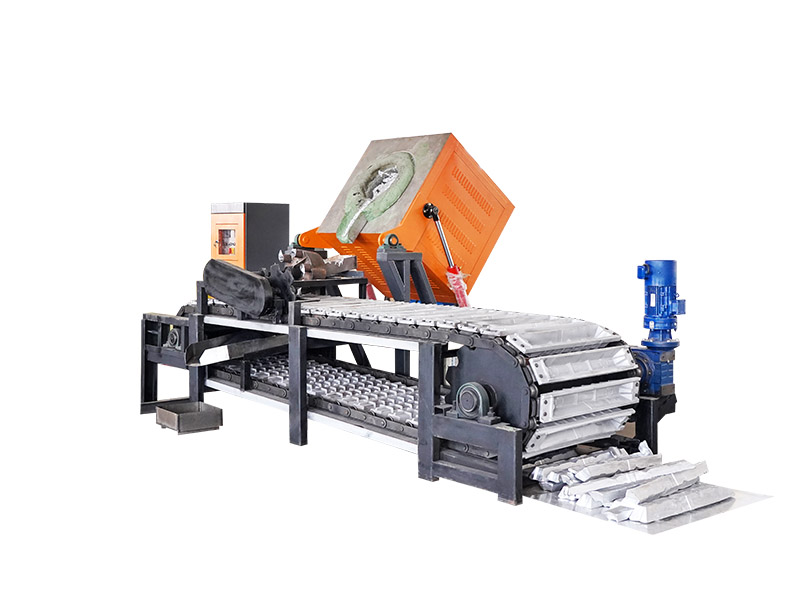
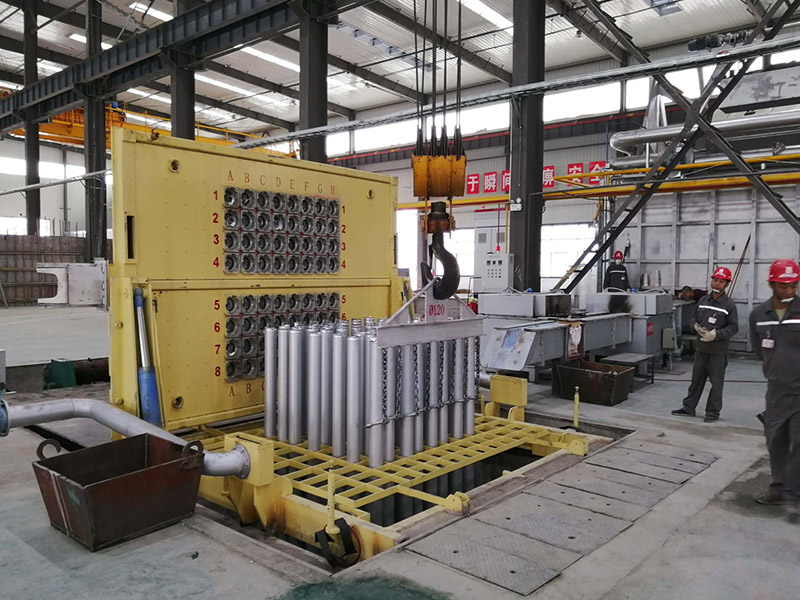
A typical line includes a pattern or white-area section, coating and drying capability, flask or sand-box handling, a vibration station, vacuum equipment, pouring support, cooling and shakeout, and sand reclamation or conditioning. Each section must be sized to work with the next; a fast station does not improve output when downstream cooling or sand handling is limiting.
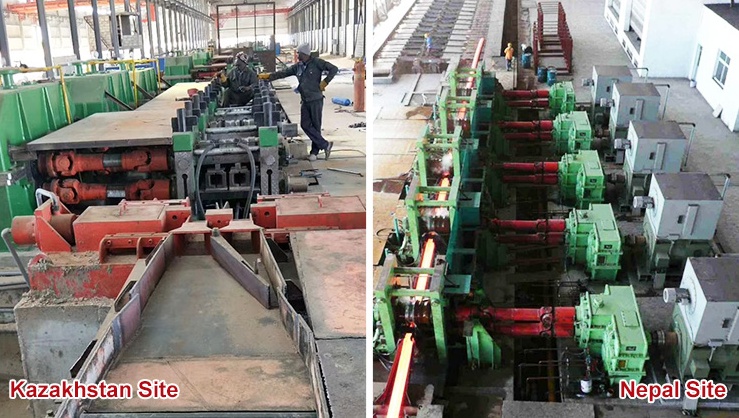
The site’s lost foam casting production line overview is a useful starting point for identifying the major subsystems. A supplier should explain how its proposed configuration connects them in your available footprint.
Specify output as a process balance
Ask suppliers to show the assumptions behind throughput, including shift pattern, product mix, changeover time, cooling time, maintenance allowance, and the number of molds or boxes circulating. Output projections that do not identify these assumptions are difficult to compare.
- Target casting weights and sizes by product family.
- Expected hourly and annual output, with the shift pattern stated.
- Pattern, coating, and drying requirements.
- Sand flow, cooling, and reclamation needs.
- Vacuum-system operating and monitoring requirements.
These inputs help determine whether a modular line is appropriate or whether an integrated automated arrangement is justified. The decision should reflect real production variability, not only a peak forecast.
Plan the vacuum and sand systems together
Vacuum control is integral to the evaporative-pattern process, while dry sand must be delivered, compacted, cooled, and reclaimed consistently. The engineering discussion should cover the intended monitoring points, filtration approach, maintenance access, and how the system responds to process changes.
Sand handling also affects dust collection, housekeeping, and layout. Request clear drawings that show conveyors, elevators, buffers, service space, and access routes rather than reviewing each machine in isolation.
Compare supplier proposals on scope
A complete proposal should identify included machinery, controls, utilities, installation boundary, commissioning support, documentation, training scope, and excluded civil or auxiliary work. It should state the information required from the buyer, such as workshop drawings, electrical supply, water availability, crane capacity, and material-handling preferences.
| Proposal item | What to verify |
|---|---|
| Process basis | Part range, alloy, output, and stated operating assumptions |
| Equipment scope | Every included station, control interface, and auxiliary system |
| Utilities | Electrical, water, compressed air, ventilation, and drainage assumptions |
| Support | Installation, commissioning, training, spare parts, and documentation |
Build quality checks into the layout
Quality is easier to manage when inspection points are planned into the material flow. Consider where patterns are approved, coating condition is checked, sand condition is monitored, and castings are inspected after shakeout. Make room for safe sampling, recordkeeping, and corrective action.
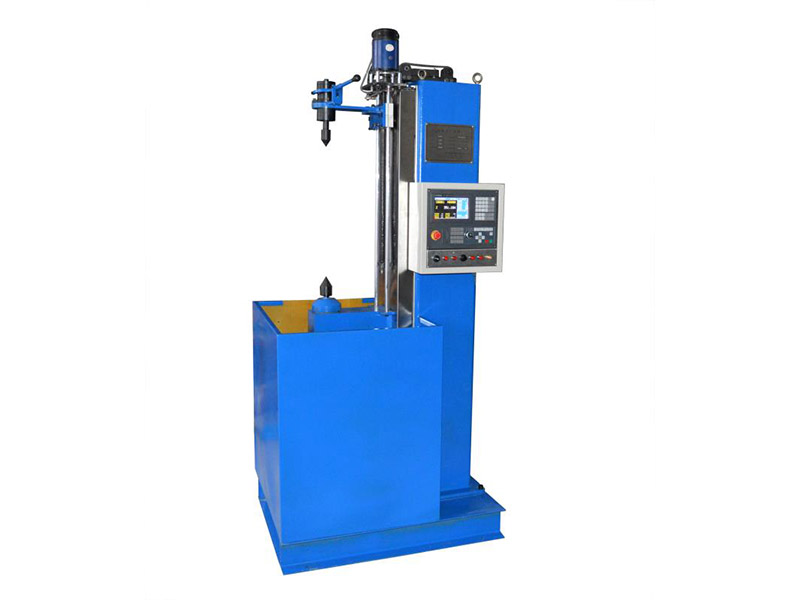
Where the project will feed downstream metal preparation or finishing, coordinate interfaces with related quenching equipment or other process equipment. A handoff point should be physically accessible and operationally clear.
Prepare the site before delivery
Before equipment arrives, validate foundation requirements, floor loading, crane coverage, electrical distribution, water connections, compressed air, ventilation, drainage, and operator access. A layout review should also confirm paths for maintenance, waste handling, and emergency access.
Ask for a staged commissioning plan that defines mechanical completion, dry runs, utility checks, operator orientation, initial process trials, and agreed acceptance criteria. Commissioning is more effective when responsibilities and available materials are defined in advance.
Frequently asked questions
Is a complete line always necessary?
Not necessarily. The correct scope depends on the casting programme, existing equipment, available space, and desired level of integration. A process review will reveal whether selected modules can fit the operation.
What should be requested before comparing quotations?
Request a process description, layout, equipment list, utility assumptions, control scope, delivery boundary, support scope, and a list of buyer responsibilities.
A lost foam casting production line is a connected production system, not a collection of standalone machines. To discuss a layout or equipment scope for a particular casting programme, contact the foundry equipment team with your part data, target output, workshop dimensions, and available utilities.
Turn planning into an actionable brief
Before issuing a request for quotation, consolidate the casting programme, target rate, workshop constraints, utilities, staffing plan, and required interfaces in one controlled brief. Invite suppliers to identify assumptions and gaps in writing, then compare the responses against the same technical basis. This prevents a visually similar quotation from concealing a different scope or an unplanned buyer responsibility.
For help organizing the project from early layout through commissioning, review the foundry equipment services available for production-line projects.