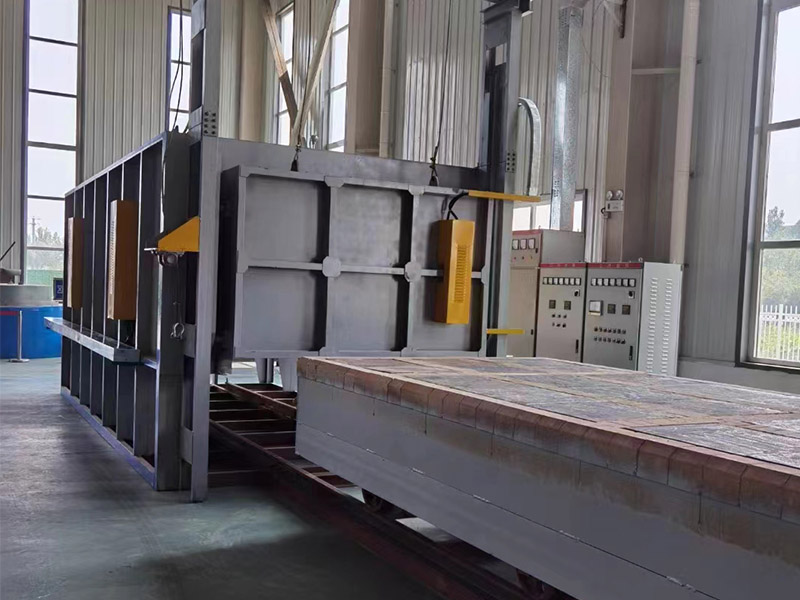
A bogie hearth furnace gives production teams a practical way to heat-treat large, heavy or awkward workpieces that are difficult to handle in a conveyor-based system. The movable hearth supports loading outside the hot chamber, while the furnace is selected around the workpiece, thermal cycle and plant handling method. For buyers, the key is to specify the full process: load geometry, metallurgy, temperature uniformity needs, throughput, fuel choice and available utilities. This guide provides a disciplined starting point for comparing suitable equipment.
Identify the parts and the required process
Begin with the maximum workpiece envelope, total charge weight, loading orientation and support fixtures. A bogie hearth furnace should accommodate the real load plus safe clearance for circulation, door movement and handling equipment. Include the heaviest credible production case rather than an average part only.
Then document the thermal objective: stress relieving, annealing, normalizing, tempering or another approved process. Process ownership remains with the customer’s metallurgical team; the RFQ should state the required cycle rather than assume one furnace setup fits every material.
Define the thermal cycle in usable terms
Provide ramp rates, soak temperature, soak duration, cooling method and any atmosphere requirement. These details influence burner or element sizing, circulation design, control configuration and insulation. They also make it easier to determine whether one chamber can meet the production plan.
For variable product mixes, list the most demanding cycles and the expected percentage of annual operating hours. That prevents a system from being sized only for the easiest batch.
Match hearth capacity to handling flow
The bogie is not only a load platform; it is part of the plant logistics. Confirm rail alignment, travel path, door clearance, crane or forklift reach, loading station space and operator visibility. If a workpiece must be rotated or supported in a special way, include those fixtures in the equipment boundary.
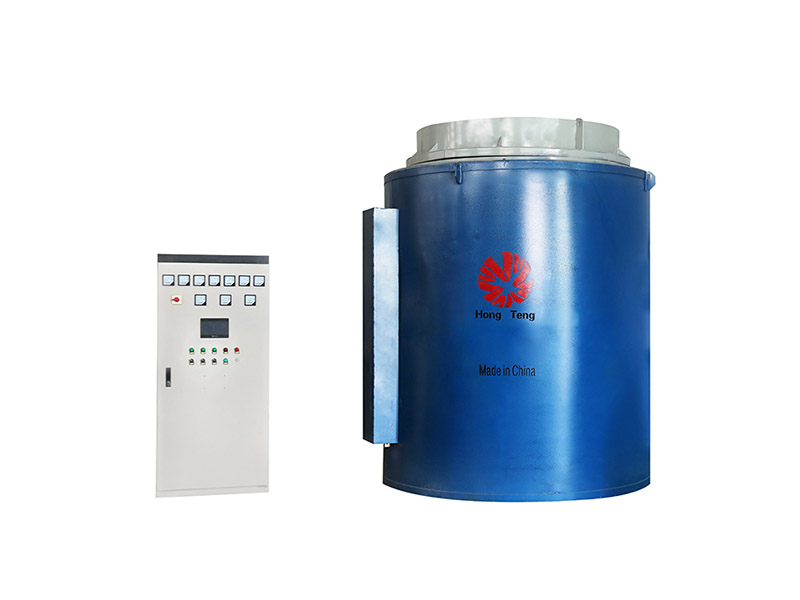
Heavy-component planning often benefits from comparing the use case with a pit-type annealing furnace. The best arrangement depends on part geometry, access needs and material flow.
Choose heating and circulation around the process
Electric and fuel-fired systems have different utility, control and maintenance considerations. Select the energy source with local infrastructure, operating practice and emissions requirements in mind. Do not base the decision on fuel price alone; consider heat-up behavior, maintenance skills and plant safety procedures.
Air circulation and baffle arrangement influence how heat reaches the load. Request an explanation of the circulation concept, fan service access and the assumptions used for the proposed charge configuration.
Ask for controls that support repeatable work
Controls should make the approved cycle easy to execute and easy to review. Define recipe management, temperature recording, alarm handling, sensor locations and data export requirements before ordering. Decide who may edit a recipe and how changes will be documented.
- Separate process setpoints from equipment-protection limits
- Specify temperature sensors and calibration responsibilities
- Define actions for fan, burner or door alarms
- Plan records that operators and quality teams can retrieve
Review energy and maintenance features
Energy performance depends on insulation condition, door sealing, loading practice, idle time and the selected cycle. Ask suppliers to identify the design features and operating assumptions behind their estimate, then make sure the site can maintain those conditions.
Build service access into the layout: fan removal, burner or element access, rail inspection and hearth-drive maintenance should not require improvised lifting or unnecessary downtime. This complements the broader heat treatment equipment selection guide.
Use a transparent technical comparison
| Selection factor | Question for the supplier | Buyer check |
|---|---|---|
| Charge envelope | What clearance is assumed? | Compare against drawings |
| Thermal cycle | What load and soak basis is used? | Confirm process owner approval |
| Handling | How is the bogie loaded and moved? | Validate site layout |
| Service | Which components need routine access? | Confirm maintenance space |
A common comparison sheet keeps quotations focused on scope, performance assumptions and lifecycle support rather than on headline capacity alone.
Move from concept to an executable specification
Before releasing an order, confirm utility interfaces, foundations, civil work, commissioning roles, training and spares. Your project team can also review the available bogie-type annealing furnace configuration and align it with the planned line.
For a specification review or an equipment discussion, see our industrial equipment services or contact us. A complete load and cycle brief is the fastest route to a bogie hearth furnace that fits the plant.
Pre-start checklist for the project team
Before placing the order, conduct a joint review with production, maintenance, quality, civil engineering and the equipment supplier. Check that the proposed hearth, door, rail path and loading arrangement fit the actual building layout. Drawings should show service zones as well as the furnace footprint, because access for fans, drives and electrical cabinets is needed throughout the equipment life.
Agree the handover documents in advance. A useful package includes general arrangement drawings, utility schedules, operating instructions, control documentation, recommended spares and a commissioning plan. Make the factory and site acceptance steps clear, including the agreed load or representative test cycle where applicable.
At startup, verify that operators understand the approved recipes, loading limits, door and bogie interlocks, and response to alarms. Record the initial sensor checks and control settings. If actual cycle times or loads differ from the RFQ assumptions, review the change with the responsible process and equipment teams rather than making informal adjustments.
Plan an early operating review after production begins. Compare energy use, maintenance observations and batch flow with the expected plan, then prioritize any improvement actions. This structured follow-up helps the bogie hearth furnace remain a practical part of a safe, repeatable heat-treatment process.