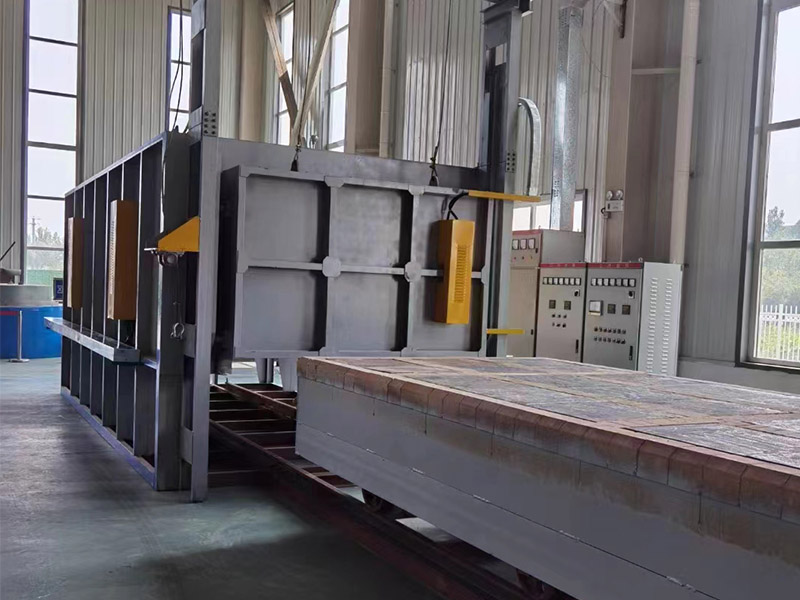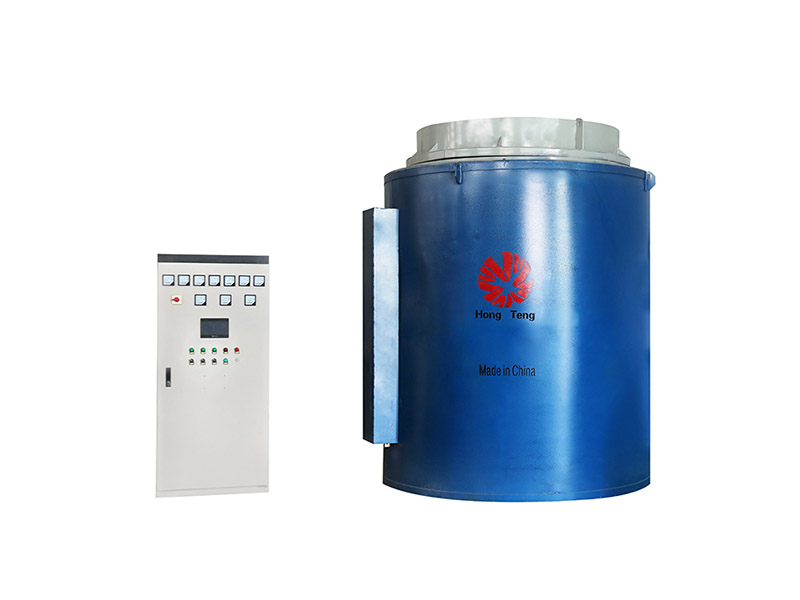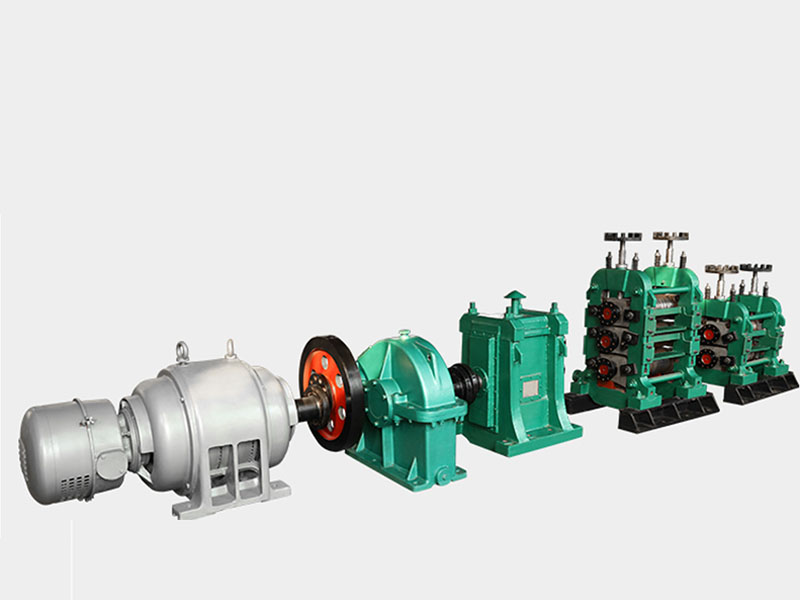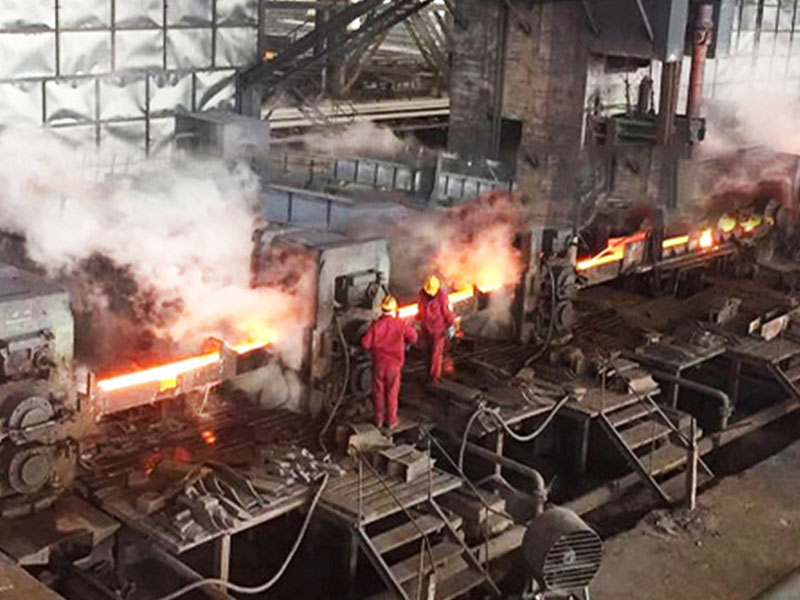
A quenching furnace should be specified around the workpiece, thermal cycle and controlled transfer to the quench medium. Buyers who compare only chamber size or installed power can miss the factors that govern repeatability: load presentation, atmosphere, temperature control, transfer time, agitation and safe handling. A specification that connects these factors gives suppliers a clearer basis for proposing a workable heat-treatment system.
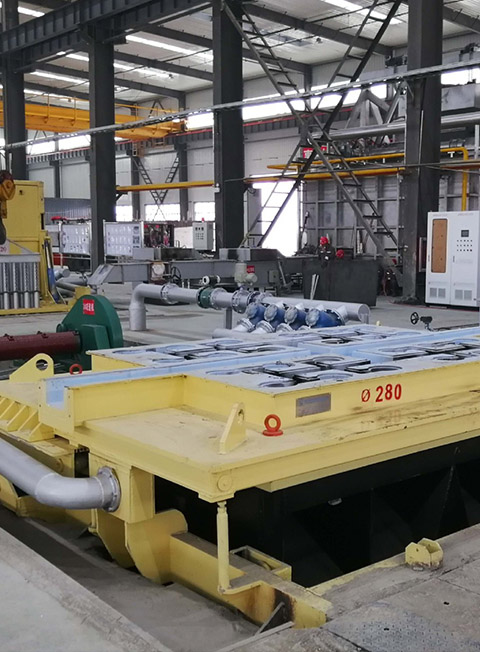
Describe the parts before selecting equipment
Start with material grade, part geometry, size range, production volume and the required property outcome. Include the maximum and minimum load, fixture or basket arrangement, and any surface or distortion limits. These details shape the chamber, hearth, loading method and the way heat reaches the workpiece.
Also state whether the process is batch, continuous or mixed. A furnace that suits occasional heavy loads may be a poor fit for short-cycle production with frequent transfers.
Define the complete thermal recipe
Specify the heating stages, required setpoints, soak expectations, acceptable temperature variation and required records. The appropriate recipe belongs to the applicable material and process requirements; equipment selection should support those requirements rather than invent them. Identify whether atmosphere management, washing or tempering is part of the same production cell.
Temperature measurement, controller functions and data retention should be discussed early. A useful reference is this heat treatment furnace temperature uniformity guide, which explains why the loaded working zone matters in practical control.
Match the quench method to the process
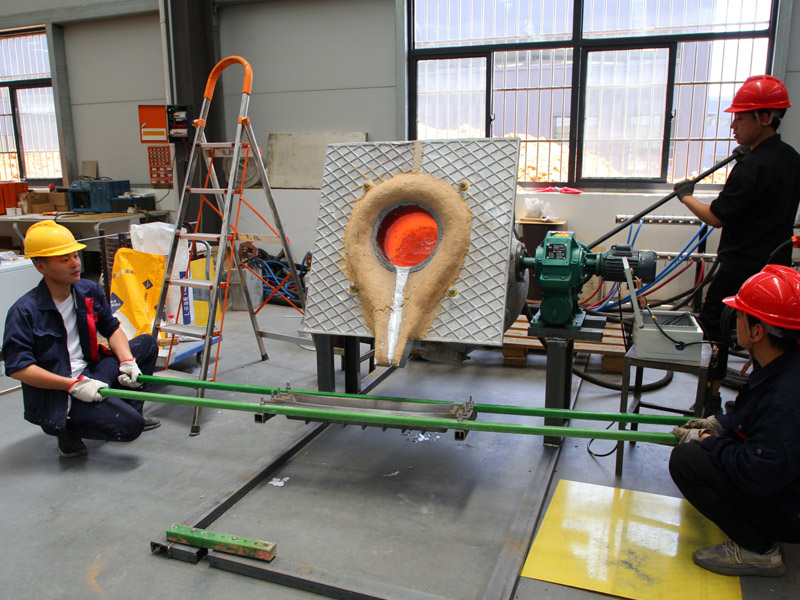
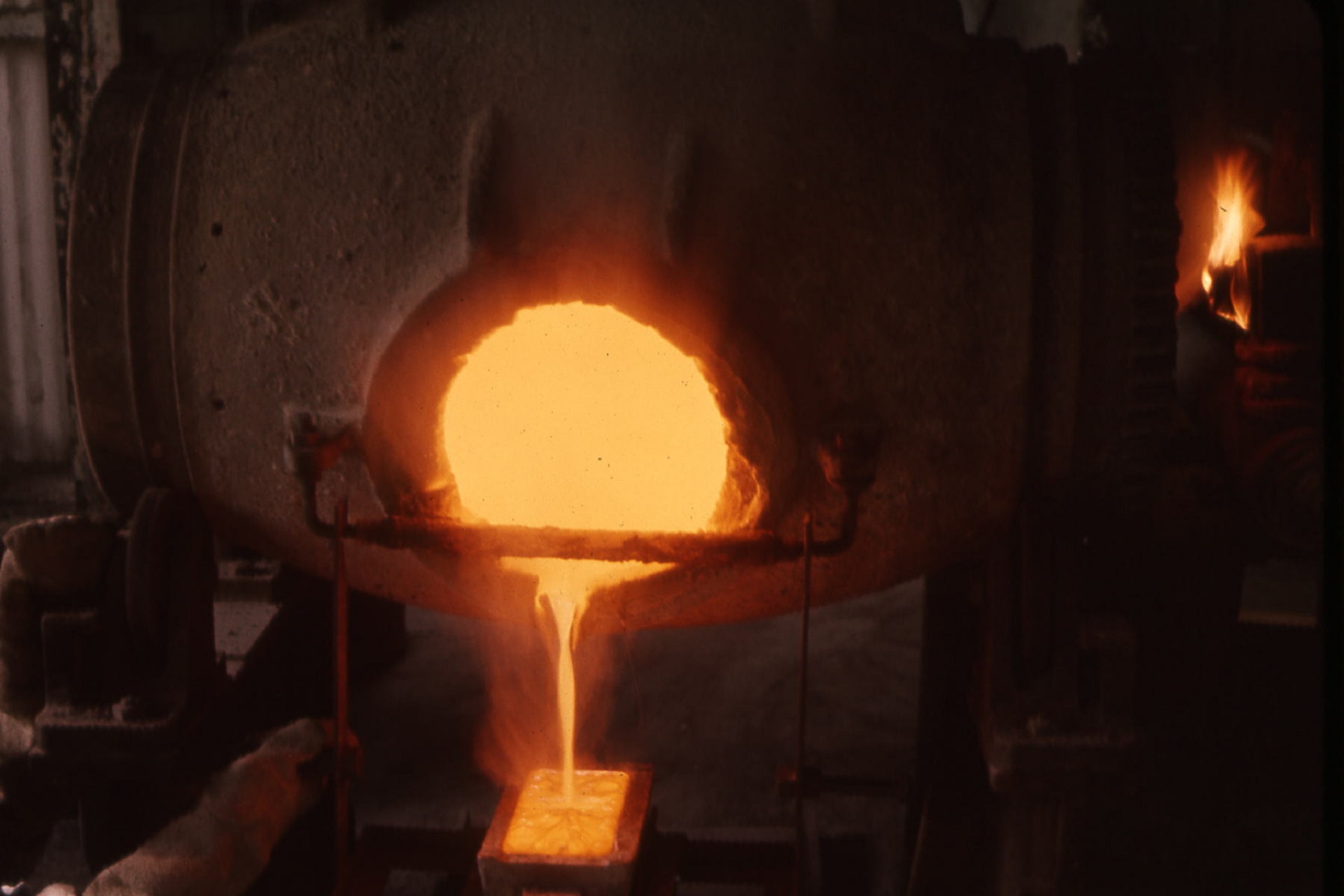
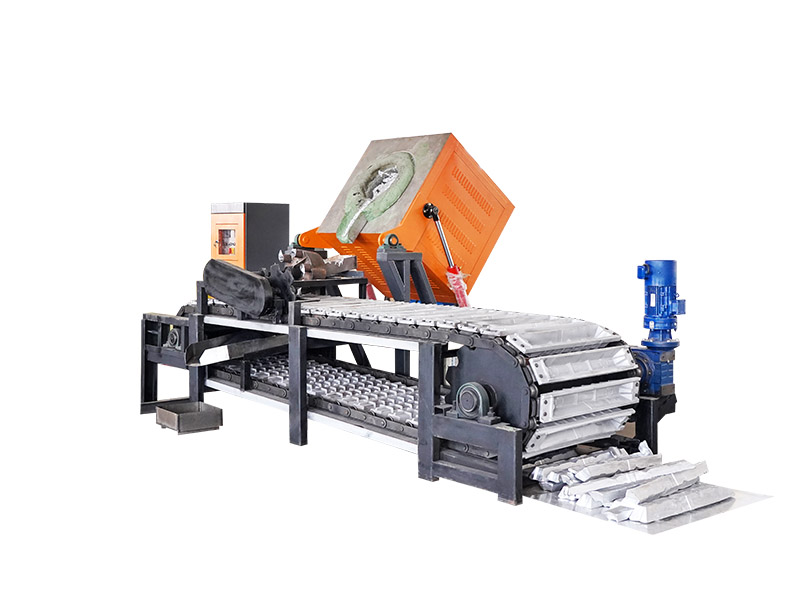
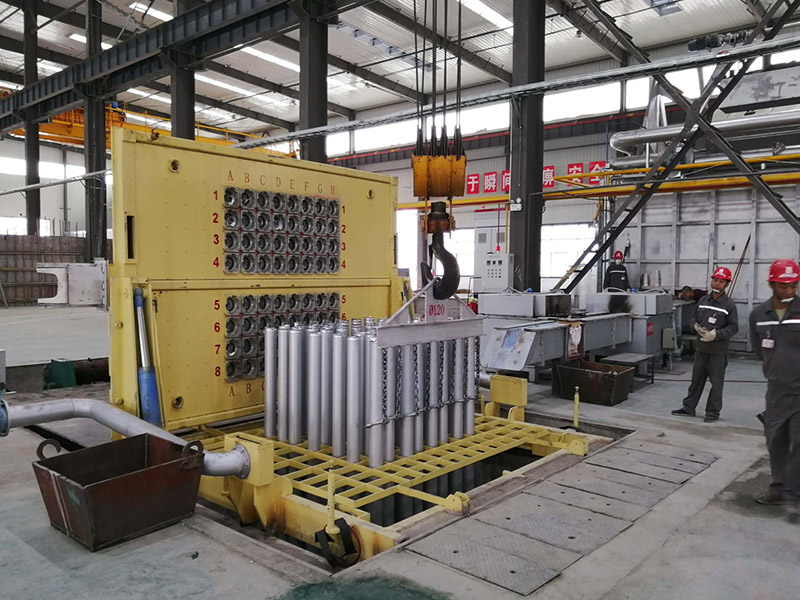
Oil, water, polymer solution, gas and other quench approaches behave differently, and the best choice depends on the material, geometry and approved process. The specification should identify the medium, tank capacity, circulation or agitation, temperature monitoring and the safe path from furnace to quench. Transfer arrangements are part of the process, not an accessory.
For automated systems, ask how motion is interlocked with the furnace cycle and how abnormal positions are detected. This is especially important when a hot load is moved between enclosed equipment.
Choose loading and handling deliberately
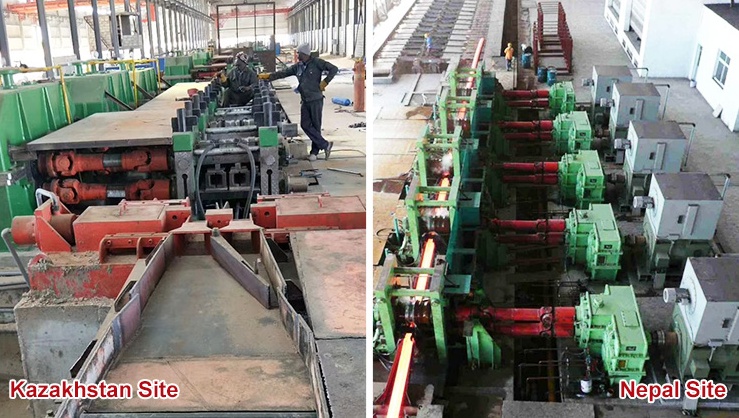
Load presentation affects heating consistency and safe throughput. Define fixtures, baskets, conveyors, lifting equipment and the maximum load mass. Confirm that operators can load and unload without reaching into hazardous areas and that maintenance access remains possible around doors, seals and drive components.
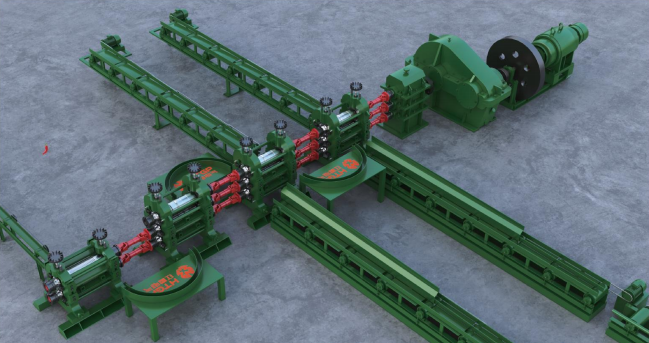
For high-volume components, a connected line may be appropriate; for varied work, a batch arrangement can provide flexibility. The right answer follows the production mix rather than a preference for one furnace style.
Check atmosphere, exhaust and utilities
List the utilities at the installation point: electricity or fuel, process gas where applicable, cooling water, compressed air, exhaust and drainage. The supplier should identify consumption, connection sizes and control interfaces. Include ventilation and exhaust requirements in the site plan so heat, vapours and quench-media emissions are managed responsibly.
A system review should include guarding, access control, emergency stops, fire-protection provisions and procedures for abnormal conditions. These should be designed into the layout, not added after the furnace is installed.
Use acceptance criteria that can be checked
Turn the purchase specification into an acceptance plan. It can cover document review, dry runs, controls, loading motion, alarms and the agreed performance checks. Keep the criteria tied to the stated process requirements and avoid claiming unverified performance in a purchase document.
Buyers comparing related equipment can review the quenching equipment specification guide and the mesh belt furnace buyer guide to frame questions around throughput and material flow.
Plan commissioning and ongoing support
Commissioning should confirm the installed arrangement, utilities, safety functions, controls and the agreed operating sequence before routine production begins. Train operators on normal operation, alarms, loading limits and shutdown actions. Keep as-built drawings, manuals and recommended spare parts with the maintenance team.
For a process-specific review of furnace configuration, transfer equipment and line integration, contact our heat treatment equipment specialists with the part and production details.
Make maintenance part of the specification
Availability depends on more than the initial thermal cycle. Ask how heating elements, fans, seals, drive components, sensors and refractory-related parts can be inspected and replaced. Identify routine checks, recommended spare parts and access points while reviewing the layout. A maintainable furnace is easier to keep within the process window than one that requires major disassembly for ordinary service.
Request clear alarm descriptions and a practical fault-response path. Operators need to know which events require a safe stop, which can be investigated after a controlled hold and when qualified service support is required. This supports consistent decisions across shifts without encouraging unapproved process changes.
Compare proposals on operating fit
When comparing proposals, put each supplier response into the same technical table. Include the stated load range, heating method, control functions, quench arrangement, utilities, safety provisions, documentation and exclusions. Review the assumptions behind capacity claims, especially the load presentation and cycle definition. A transparent comparison is more useful than a headline figure that cannot be related to the actual workpieces.
Finally, plan a review after early production. Confirm that load handling, records and utility performance match the original basis of design. Capturing these observations gives the team a better foundation for future capacity additions or process improvements.
Include a final review of operator workload, cleaning access and the route used to remove quenched parts. Small layout details can affect cycle consistency and safe operation over the life of the equipment. Recording them during commissioning turns early lessons into a repeatable operating standard.