Heat treatment furnace temperature uniformity affects whether parts see the intended thermal cycle throughout the usable work zone. It is not simply a controller display value. Load arrangement, airflow, sensor position, door operation, zone tuning and maintenance all influence the temperature seen by a real workpiece. For buyers and plant engineers, the goal is to specify a furnace and verification method that fit the process, load and applicable customer requirements.
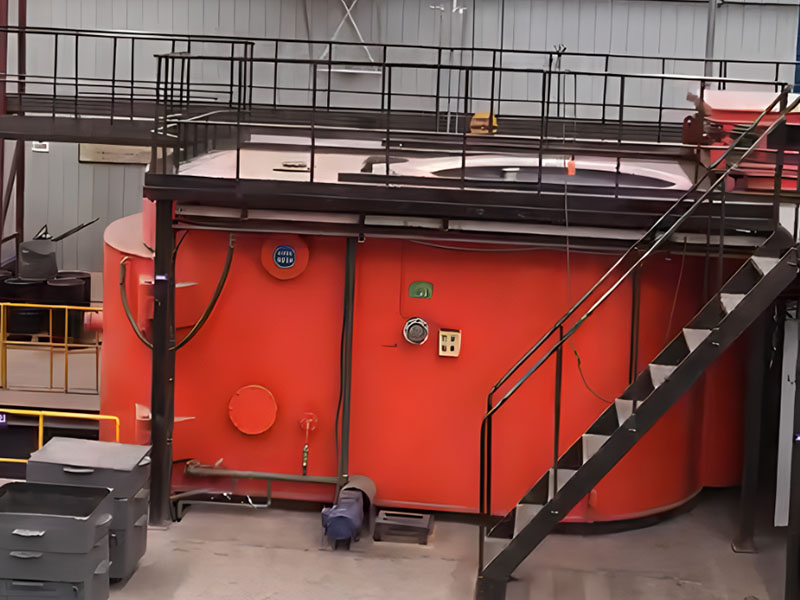
Define the required working zone first
Start with the dimensions, mass and geometry of the largest representative load, not only the empty chamber. The working zone is the volume where the process must meet its permitted variation. It may be smaller than the physical chamber after allowing for fixtures, airflow paths, sensor placement and loading clearances.
Put the required temperature range, allowable variation, soak time, load configuration and production rate into the purchase specification. If a customer or industry standard applies, identify it early and agree how compliance evidence will be supplied. This removes ambiguity between an equipment capability claim and a production acceptance requirement.
Separate uniformity from control accuracy
Controller accuracy describes how closely the control system follows its input and setpoint. Temperature uniformity describes the spread of temperatures across the working zone under defined conditions. Both matter, but one cannot stand in for the other. A stable displayed value can coexist with a hot or cold region in the load.
Specify suitable thermocouples, data acquisition, calibration intervals and traceability according to the process requirement. The control architecture should make sensor failures, zone deviation and data gaps visible rather than hiding them behind a single average value.
Plan a meaningful temperature survey
A temperature uniformity survey maps the furnace using multiple measurement points under an agreed procedure. The test temperature, stabilization time, sensor locations and data-recording interval should reflect the application. Empty-furnace results are useful, but loaded surveys may be necessary when fixtures or dense loads change airflow and heat transfer.
Keep the survey report with the furnace baseline records. When a process changes, use the report to decide whether the working zone, recipe or loading practice needs revision. Do not copy a generic tolerance from another plant; the permissible variation must match the part and process requirement.
Design airflow and loading together
Fans, baffles, burners or heating elements can only create a repeatable field if the load allows circulation. Avoid packing parts tightly against walls, blocking ducts or placing the heaviest sections where they shield lighter parts. Repeatable fixtures and loading diagrams turn good engineering intent into shift-to-shift practice.
For continuous operations, residence time and transition zones add another layer of control. A roller hearth furnace specification guide is a useful starting point for matching conveying, zone layout and throughput to a defined thermal cycle.
Use zoning and recipes deliberately
Multiple heating zones provide adjustment capability, but they need commissioning and disciplined recipe management. Establish approved setpoints, ramp rates, soak times and alarm limits for each product family. Restrict recipe changes, record revisions and review actual process data after a significant maintenance event.
Where the route includes quenching, align furnace discharge timing with transfer and quench capacity. The selection questions for quenching equipment should be considered with the furnace, not as a separate purchase.
Maintain the components that shape uniformity
Heating elements, burners, fans, recirculation ducts, seals, insulation, doors and thermocouples age differently. A preventive-maintenance plan should include inspection points, cleaning needs, electrical checks, fan rotation, leakage checks and calibration. Trend deviations by zone so that a gradual drift is corrected before it becomes a rejected batch.
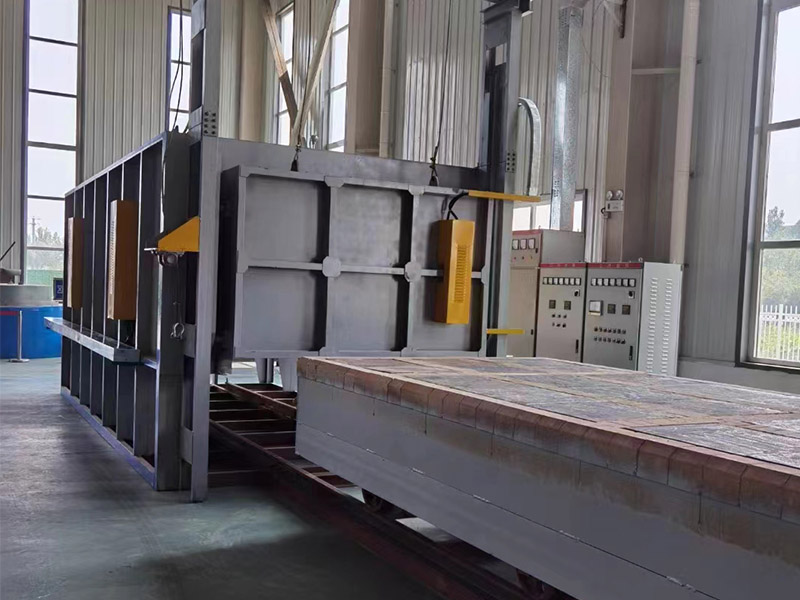
For batch loads, select the furnace style around handling and geometry as well as temperature. A bogie-type annealing furnace can simplify loading of large workpieces, while different process needs may favor other configurations.
Ask better questions during procurement
Request the proposed working-zone dimensions, survey approach, number of control zones, sensor types, data-recording options, typical load assumptions and maintenance access. Ask how the supplier will support commissioning and what acceptance documentation is included. Give the supplier representative part drawings and production targets so the design can be evaluated against the real duty.
Projects that combine casting and thermal processing should also coordinate upstream consistency. Explore our deep well continuous casting equipment when an integrated aluminum production route is under consideration.
Acceptance checklist for uniformity control
Turn the technical requirement into an acceptance checklist before the furnace is delivered. This keeps the purchase team, process engineer and supplier aligned on what will be measured and how the result will be interpreted.
- Define the working-zone dimensions and temperature range for each qualified recipe.
- Agree survey temperatures, sensor locations, recording interval and stabilization period.
- Document representative load arrangements and any required loaded verification.
- Specify calibration records, alarm handling and report format for commissioning.
After acceptance, use the same checklist when major repairs, fan replacement, controller changes or process drift trigger a reassessment. Consistent records make it easier to distinguish a furnace issue from a loading or recipe issue and support faster corrective action.
Frequently asked questions
Is an empty-furnace survey enough?
It can establish a baseline, but a loaded survey may be needed when the production load, fixtures or airflow restrictions materially change the thermal field.
How often should uniformity be checked?
Use the interval required by the applicable process specification, customer requirement and risk assessment, and repeat checks after significant repairs or unexplained process drift.
To discuss furnace configuration, process data and a practical acceptance plan, contact our engineering team.