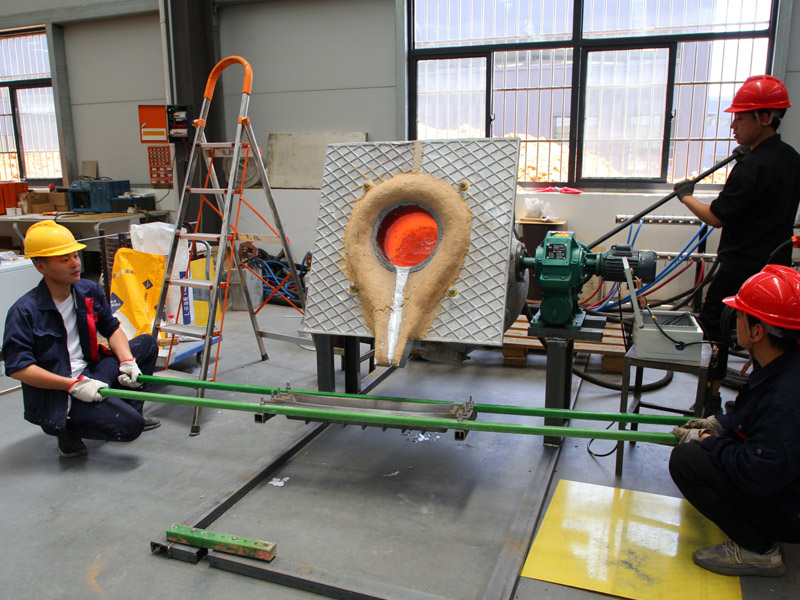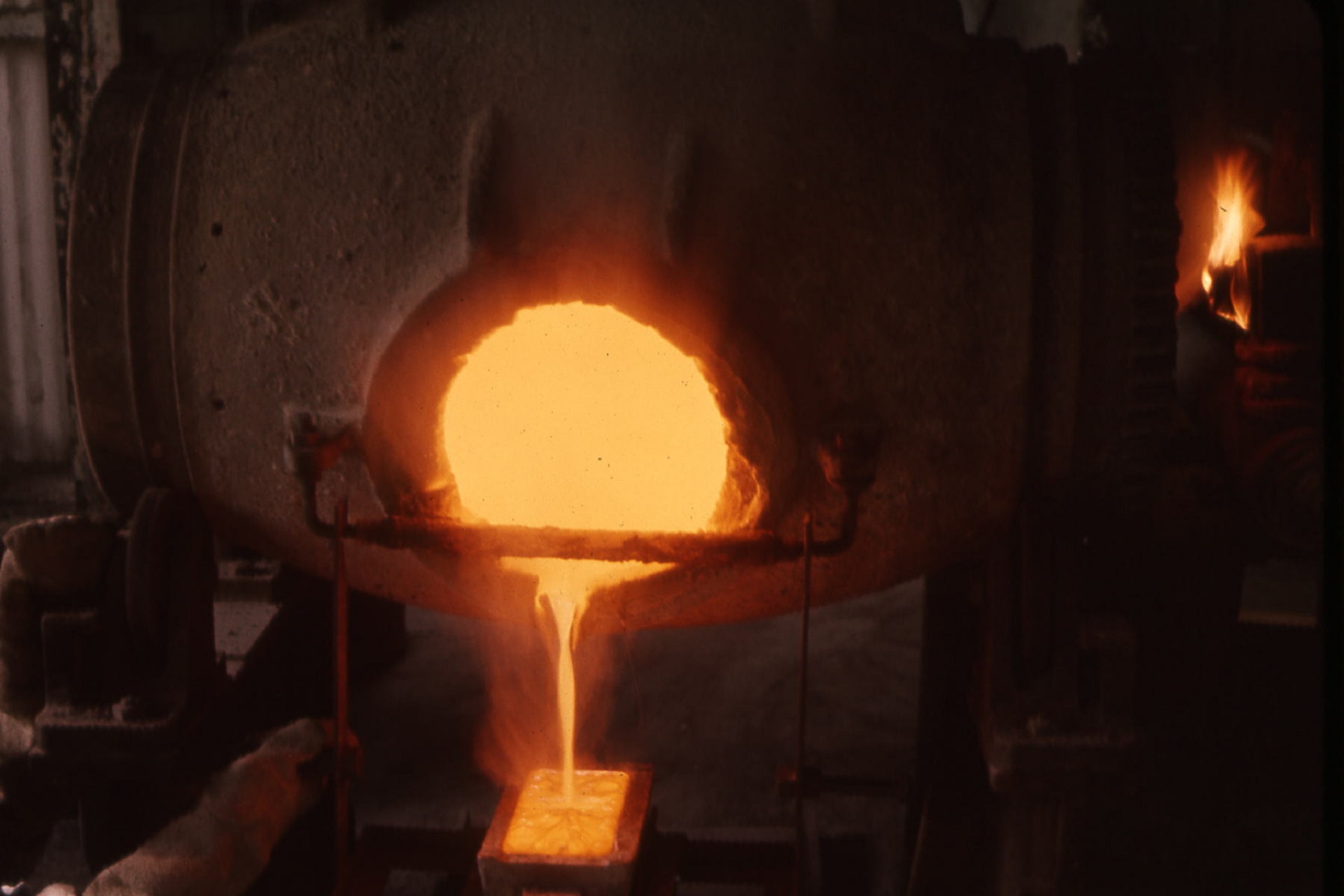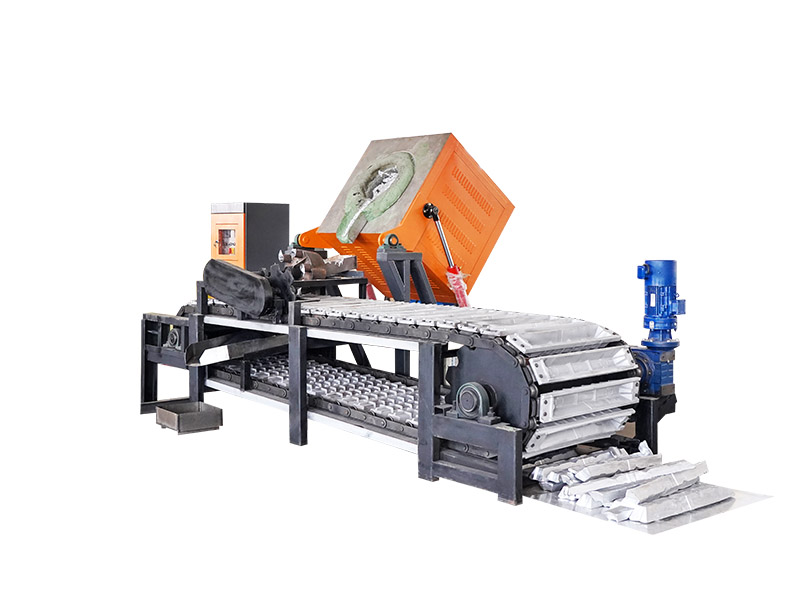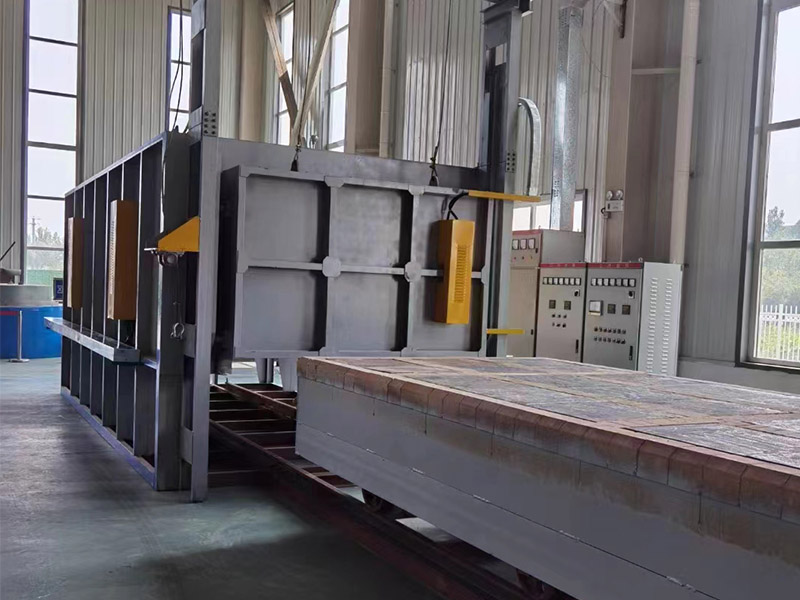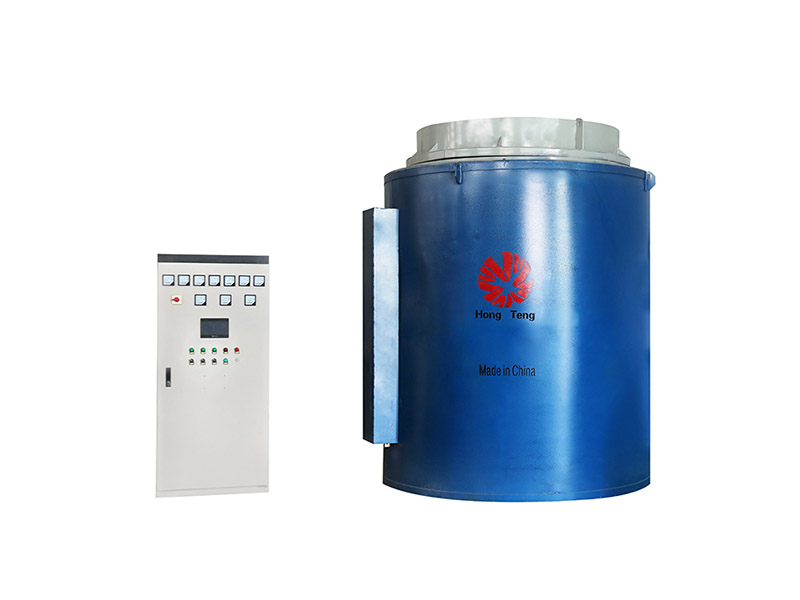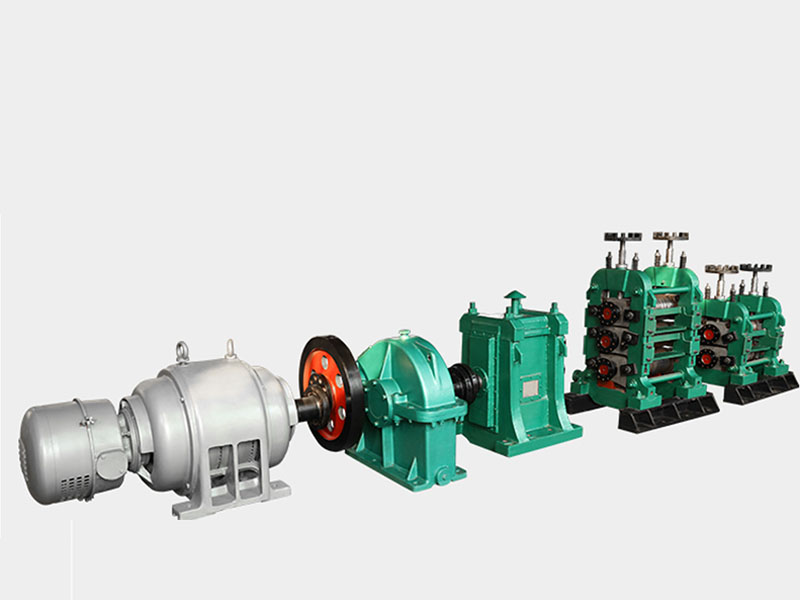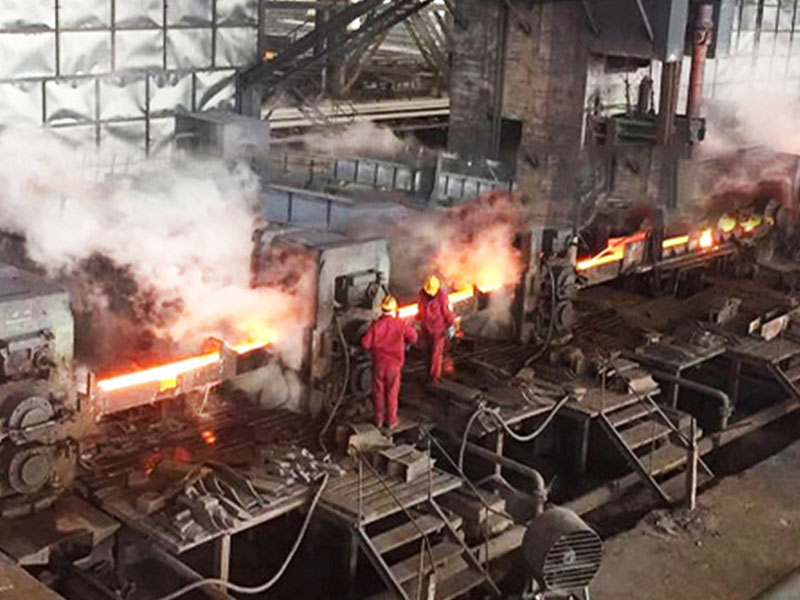
An aluminum melting furnace is a central production asset, not simply a heated vessel. Its selection influences alloy changeover, metal quality, energy use, emissions controls, maintenance planning, and the pace of the casting line. Buyers should start with the material flow they need to support: incoming ingot or scrap, charge preparation, melting, holding, treatment, transfer, and casting. This guide sets out the practical questions that help engineering and procurement teams compare furnace solutions on a like-for-like basis.

Define the production duty before comparing furnace types
Begin with required liquid-metal output, alloy range, batch size, and shift pattern. A quoted capacity is meaningful only when the supplier states the charge condition, melt temperature, holding requirement, and assumed operating time. Consider the whole production schedule, including planned cleaning, alloy change, sampling, and transfer.
Different operations may prioritize fast batch melting, stable holding, frequent alloy changes, or continuous supply to a casting machine. The right aluminum melting furnace is therefore the one that fits the intended process, rather than the one with the largest nameplate capacity.
Choose a melting and holding arrangement
Many projects use separate melting and holding stages so that one process does not interrupt the other. Others need an integrated configuration because floor space, batch quantity, or transfer practice makes that more practical. The decision should consider metal-transfer steps, access for charging and cleaning, and the risks introduced by each movement of molten metal.
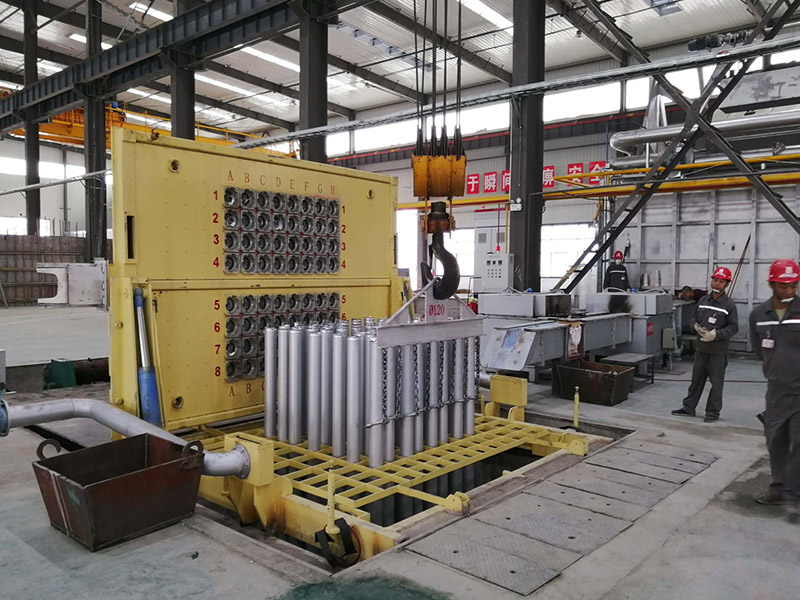
For a broader system view, examine the foundry casting production line equipment that must receive consistent metal after the furnace.
Evaluate energy use with a complete heat balance
Ask suppliers to explain the boundary of their energy figure. Useful comparisons include charge-to-tap energy, holding energy, expected metal loss, exhaust requirements, and assumptions about charge cleanliness. A low figure based on a favorable starting condition may not describe the actual mix of returns, ingot, and scrap available to the plant.
Good insulation, combustion or electrical-control strategy, charging discipline, and reduced idle holding can all influence the result. Energy performance should be evaluated together with output, metal quality, safety, and maintenance access.
Plan metal quality and treatment steps
Melting does not replace disciplined melt treatment. The process plan should define how temperature is measured, when chemistry is sampled, how inclusions and gas are managed where applicable, and how operators prevent cross-contamination between alloys. Avoid promising a universal quality outcome; the controls must be chosen for the alloy and the product requirement.
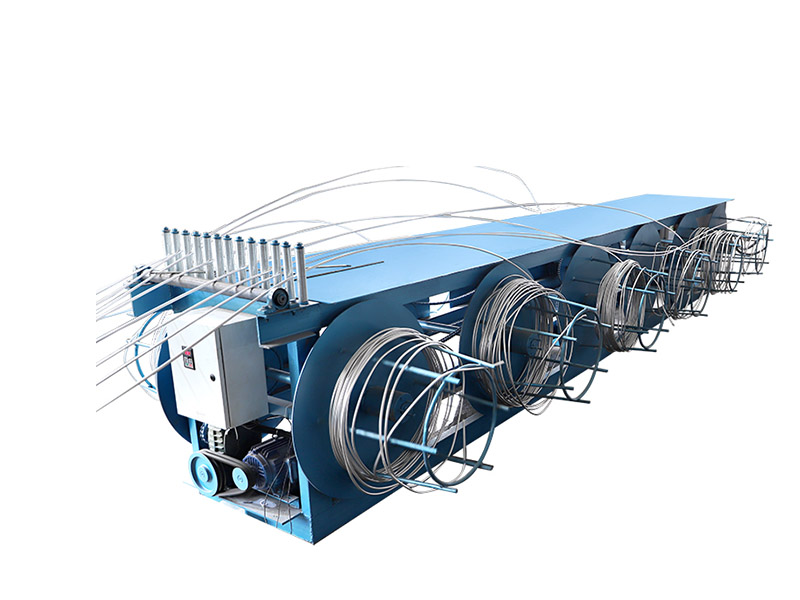
When the line feeds continuous products, the relationship between furnace output and the aluminum rod continuous casting line deserves early engineering review.
Specify safety, controls, and maintainability
Procurement documents should identify required guarding, emergency stops, temperature and level instrumentation, interlocks, exhaust interfaces, and safe access for operators. They should also define utility requirements: electrical supply or fuel, cooling water where relevant, compressed air, and space for service activities.
Maintenance questions are equally important. Ask how refractory or heating elements are inspected, which consumables are expected, what data can be trended, and how a planned shutdown affects the casting schedule. A practical layout gives people room to carry out these tasks safely.
Useful questions for a supplier comparison
- Which charge mix, temperature, and duty cycle support the stated output?
- Which controls, utilities, and exhaust interfaces are included?
- How are cleaning, inspection, and alloy changeover performed?
- What acceptance tests and operating data will be supplied at commissioning?
Connect furnace capacity to downstream casting
A furnace should be sized around the actual consumption pattern of the casting process, not an isolated hourly number. Buffer capacity, transfer timing, and unplanned stoppages need to be considered. This is especially important where molten metal feeds a continuous process with limited tolerance for interruption.
For billet-focused projects, the deep well continuous casting equipment provides a relevant downstream reference point.
Make the selection decision with documented assumptions
Create a comparison sheet that lists output basis, energy boundary, alloy range, utility demand, operator tasks, safety provisions, maintenance needs, footprint, and integration scope. This makes hidden differences visible before purchase and gives the commissioning team a shared definition of success.
For equipment integration support, visit our foundry equipment services or contact our technical team.
Prepare commissioning data before startup
Commissioning should confirm more than whether the furnace reaches temperature. Agree in advance on the charge recipe, output basis, temperature-measurement method, utilities available at the site, safety tests, and the operating records that will be handed over. These conditions give both parties a fair basis for reviewing performance.
During early production, capture actual heating time, holding time, energy use, metal yield, alarms, and the reasons for delays. Review the data with operators as well as project engineers, because layout, material handling, and daily routines often explain the gap between a theoretical capacity figure and a dependable production rate.
Retain the results after the first campaign instead of treating them as a one-time acceptance exercise. A short weekly review can identify repeat delay patterns, such as slow charging, unavailable transfer equipment, or a mismatch between furnace output and casting demand. Correcting those interfaces usually gives a more durable improvement than chasing a single maximum-rate test.
Frequently asked questions
Should melting and holding be separate?
It depends on the production rhythm, alloy changes, floor space, transfer method, and required metal availability. The decision should be based on the complete material-flow plan.
What capacity figure should a buyer request?
Request output linked to a defined charge condition, target temperature, holding requirement, and duty cycle. That creates a more reliable basis for comparing proposals.