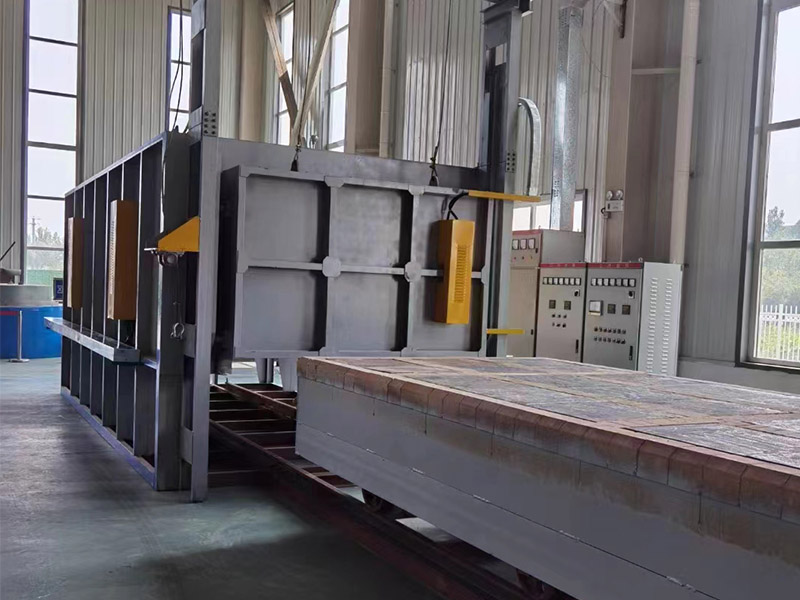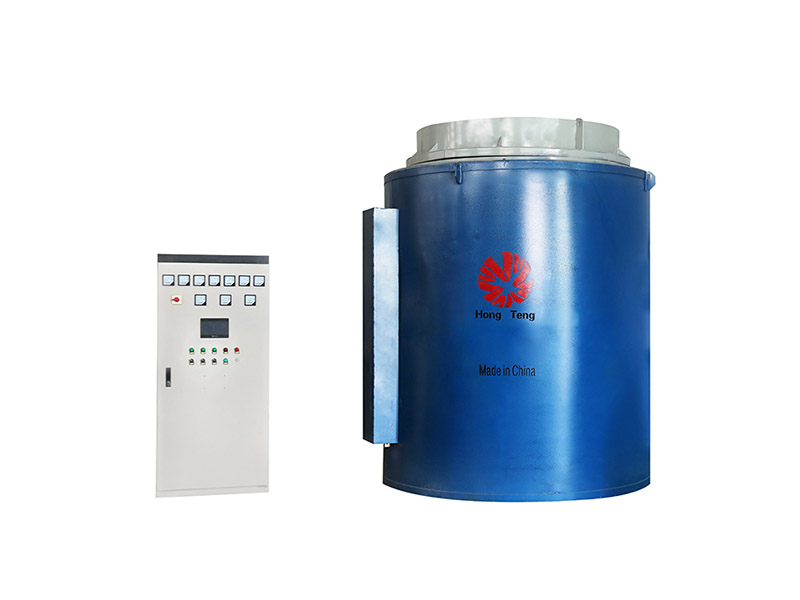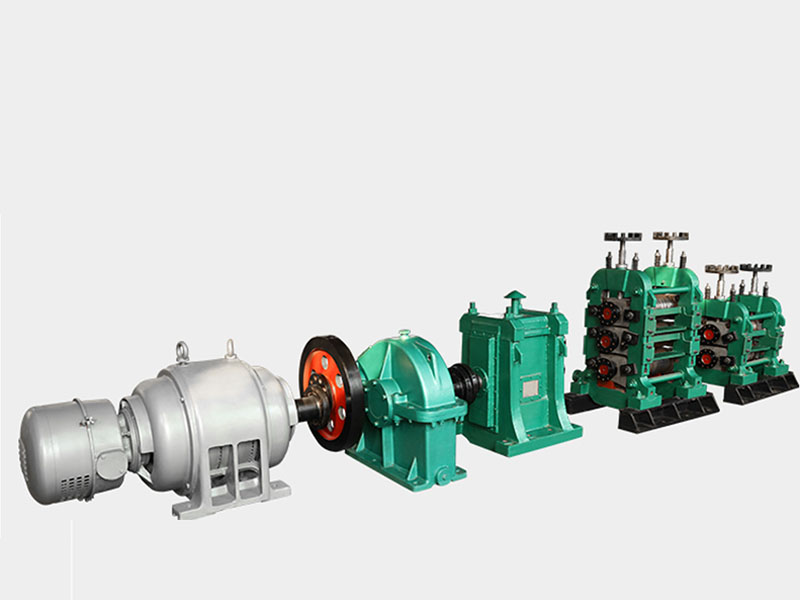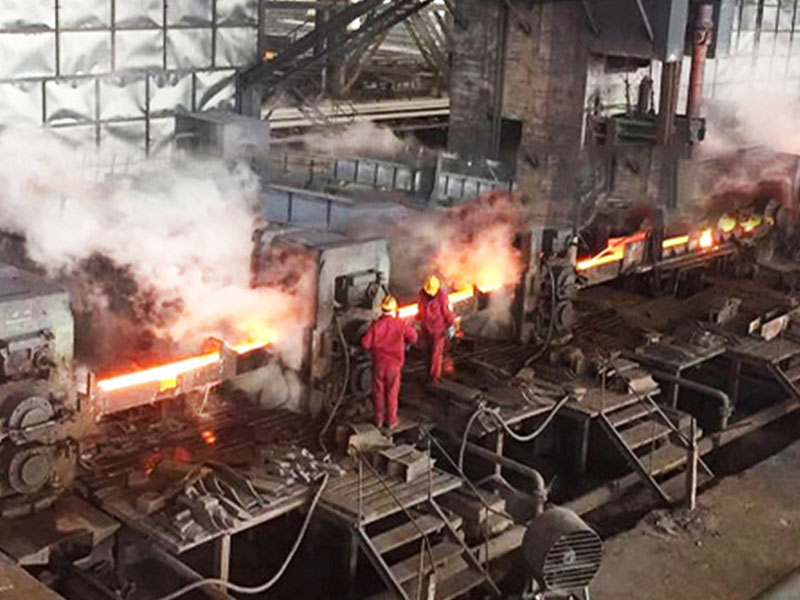
A roller hearth furnace moves workpieces through controlled heating, soaking and cooling zones on heat-resistant rollers. It can suit operations that need continuous or index-continuous material flow, consistent handling and integration with upstream or downstream equipment. The most useful buyer question is not simply furnace size. It is how thermal zones, rollers, atmosphere, controls and material flow will work together for the actual product and production schedule.
Media Library fallback: existing site image selected for this guide when an online reusable image was unavailable.
Start with the production route
Record material grade, part dimensions, loading method, target thermal cycle, throughput and required exit condition. Long bars, tubes, forgings and tray-loaded parts can need very different roller spacing, entry tables and zone layouts. Decide whether the line runs continuously, index by index or in campaigns. That choice affects buffer capacity, transfer equipment and how controls respond to product gaps.
A realistic schedule is more valuable than a single maximum-output figure. Include expected changeovers, planned stops, product mix and normal loading pattern. This gives the supplier enough information to propose a furnace length, roller drive and handling system that is matched to the operating plan rather than an optimistic headline capacity.
Specify zones and temperature control
Roller hearth systems commonly divide the process into zones so heating rate, soak time and cooling can be controlled independently. State the required temperature range, cycle tolerance, uniformity requirement where applicable and thermocouple arrangement. The supplier can then develop a zone layout around the process. Also review start-up, standby and idle conditions, because insulation, heating control and zone isolation influence energy use when production is below full rate.
Review the assumptions behind any energy comparison. Fuel type, electricity supply, loading pattern, atmosphere and exhaust arrangement can change real operating demand. A useful quotation explains the boundary of the estimate and identifies utilities supplied by the customer.
Design rollers and material handling together
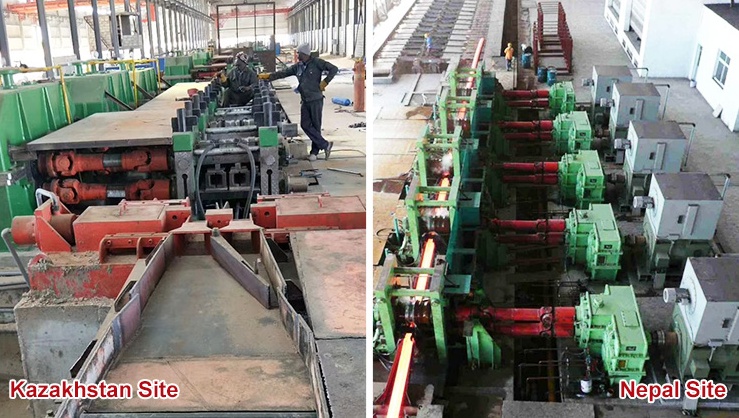
Rollers carry the product through hot zones, so material, diameter, spacing, drive arrangement and bearing protection matter. The selected system should support the load without unstable tracking, unacceptable marking or excessive deflection. Ask how rollers are accessed for inspection and replacement and whether speed can be adjusted safely for different products.
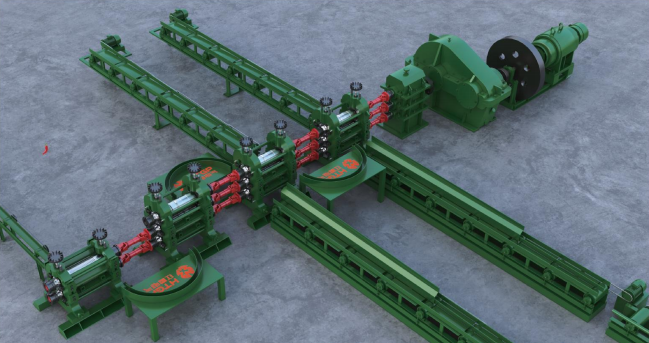
Loading and discharge interfaces deserve equal attention. Transfer tables, lift mechanisms, quench stations and inspection points should prevent collision, protect operators and limit heat loss at furnace openings. Define responsibility for each interface before installation. This helps avoid a furnace that performs well in isolation but cannot maintain a stable line flow.
Review atmosphere and cooling needs
Some processes need a controlled or protective atmosphere; others focus on managing scale and surface condition. Define gas source, purge sequence, monitoring points, venting and safety responsibilities before the design is fixed. Do not assume every process requires the same atmosphere package. Cooling may be natural, forced gas, water based or transfer to a separate station, and it must suit the metallurgical route and handling plan.
Where cooling is linked to downstream equipment, specify the utility supply, drainage, safeguards and response to an interruption. The controls may also need to coordinate with related quenching equipment so that product movement remains controlled.
Build controls and verification into the project
The operator interface should show zone condition, conveyor speed, alarms and the active product program. If production needs documented cycles, request data records, user access levels and reports that can be matched to a batch or order. Before acceptance, agree testing for empty and loaded operation, temperature functions, roller movement, alarms and emergency stops. Clear acceptance criteria help both buyer and supplier verify the agreed scope.
- Part size, load, flow and required throughput
- Thermal cycle, zones, atmosphere and cooling route
- Roller design, loading equipment and maintenance access
- Controls, records, safety interlocks and tests
- Utilities, commissioning, training and spare-parts scope
Plan the complete line
Compare initial capacity with installation needs, utilities, spare rollers, maintenance access and support. A serviceable line can offer more value than one optimized only for a headline number. Where the project includes upstream production, review the furnace with the continuous casting machine or other feed equipment. Our equipment services team can help clarify interfaces and commissioning needs. To discuss a heat-treatment project, please contact us.
Prepare commissioning and maintenance requirements
Commissioning should verify more than heat-up. Confirm that each zone responds correctly, the conveyor follows the selected speed, loading and discharge equipment are synchronized, and all abnormal conditions create the specified response. Run representative products where practical, then review the recorded cycle with the production team. This gives the buyer a useful baseline for future operating comparisons and helps distinguish a process issue from an equipment issue after handover.
Include maintenance access in the final review. Teams need a safe way to inspect rollers, bearings, drives, heating equipment, thermocouples, insulation and atmosphere components. Ask for recommended inspection intervals, critical spares and clear lockout points. A documented maintenance plan, paired with operator training and accessible drawings, helps preserve throughput after the supplier leaves the site. These items are often modest compared with the original investment, but they strongly affect long-term reliability.
Use a staged handover plan
A staged handover gives production, maintenance and quality teams time to understand the line before it becomes the only route for critical orders. Start with agreed products and documented settings, then expand the operating window only after the results are reviewed. Record any adjustment to zone setpoints, roller speed, loading practice or cooling method with the product and reason. This disciplined approach preserves useful process knowledge, supports traceability and provides a clearer basis for supplier follow-up if performance differs from the agreed acceptance criteria.