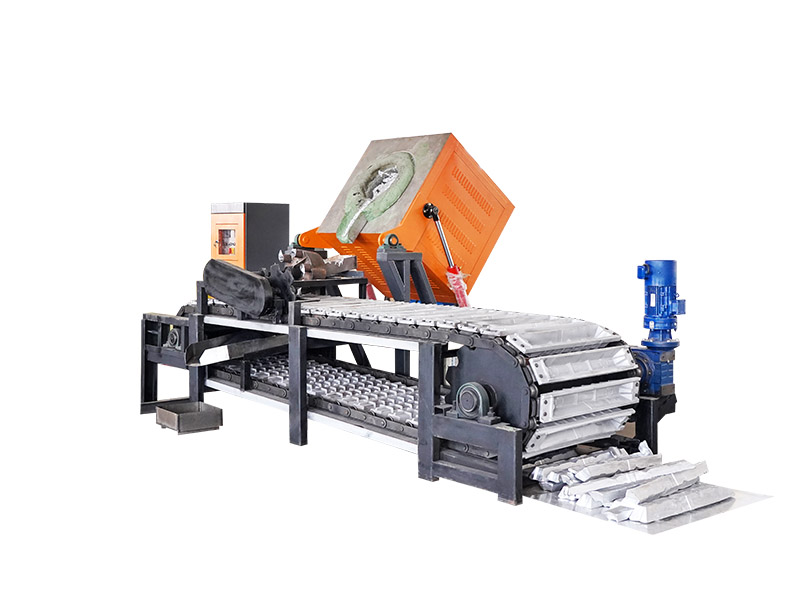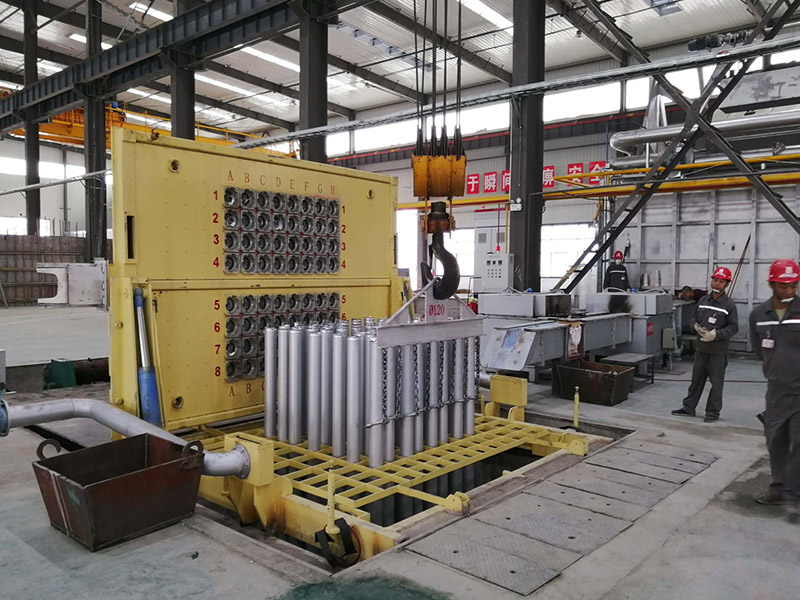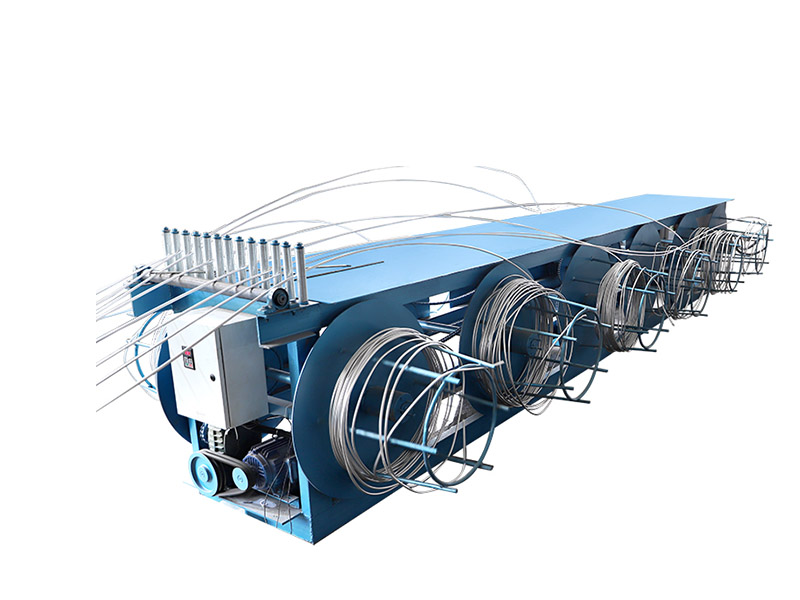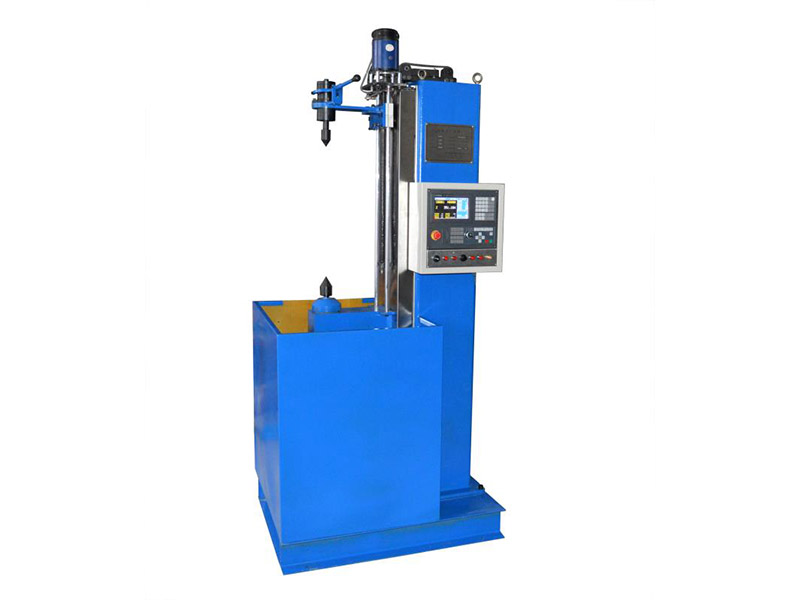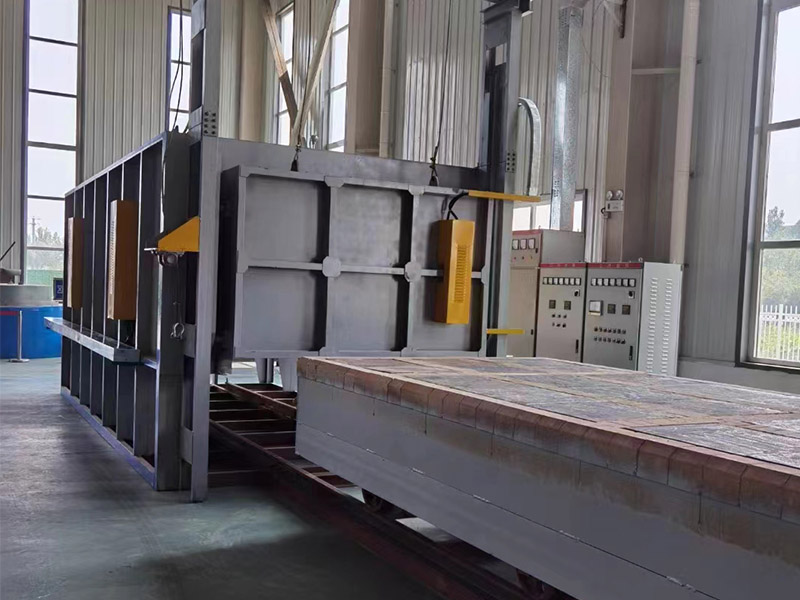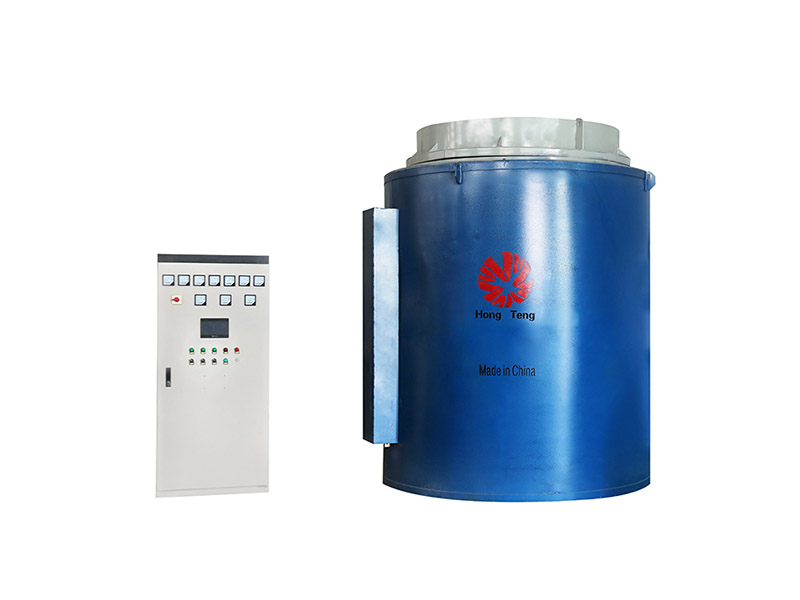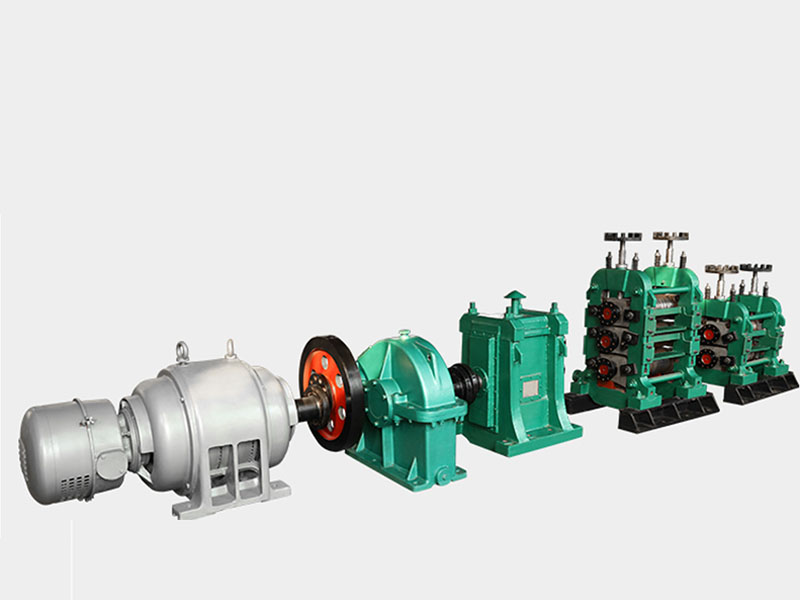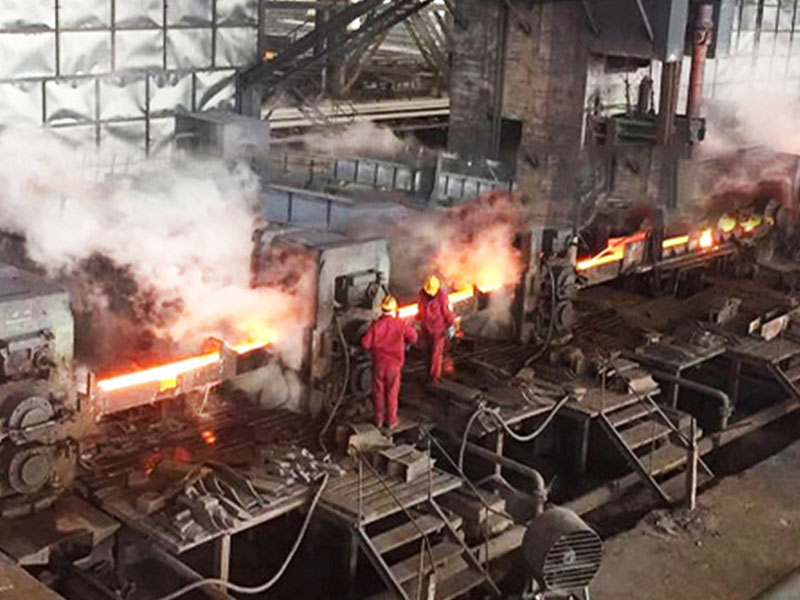
Sand casting equipment should be selected as a connected process, not as a collection of separate machines. A molding machine, sand mixer, core-making station, pouring area, shakeout system, and reclamation equipment all influence casting quality and labor demand. For procurement teams and foundry engineers, the most useful starting point is the production requirement: part geometry, alloy, annual volume, quality target, and the level of automation the operation can support.
Start with the casting and production profile
Before comparing suppliers, define the range of casting weights, dimensions, alloy families, and expected daily output. A line intended for repeatable medium-volume parts has different priorities from a flexible jobbing foundry handling many patterns. The requested surface finish, dimensional tolerance, and core complexity also affect which stations deserve the most attention.
List the bottlenecks in the current process as well. If mold preparation is slow, adding pouring capacity alone will not improve throughput. If sand properties vary, faster molding may only create more scrap. This process view keeps the equipment scope tied to measurable operating needs.
Key equipment groups in a sand casting line
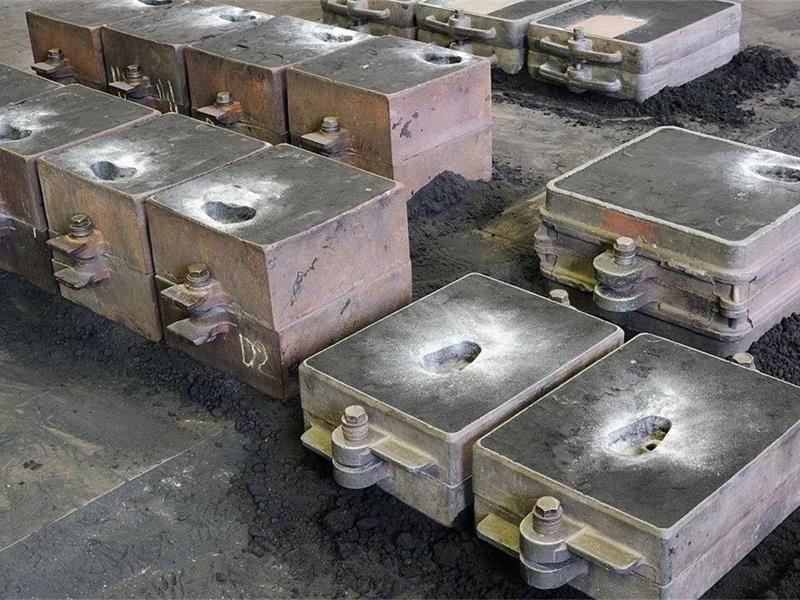
Sand preparation equipment conditions, mixes, transports, and returns molding sand. Its job is to deliver consistent moisture, binder, temperature, and grain distribution appropriate to the process. The molding section then creates the mold cavity, manually or automatically, while core equipment produces the internal passages and shapes that the pattern cannot form.
Downstream, pouring and cooling arrangements need to match the metal and flask flow. Shakeout separates casting from sand; cleaning and finishing remove gates, risers, and residual sand. Reclamation and dust-control systems complete the loop by improving material reuse and workplace conditions. The sand mold casting production line gives a useful reference point when mapping those stations into one line.
Choose an automation level that the team can sustain
Automation can improve repeatability, traceability, and labor utilization, but it must fit the pattern mix and available technical support. Sensors, controls, conveying, and interlocks add value only when operators can understand the alarms and maintenance staff can keep components in service. A modest, well-supported system often outperforms a highly automated line with frequent bypasses.
Ask for a clear division between automatic functions, operator tasks, and manual recovery procedures. The answer should include changeover time, pattern handling, quality checks, and what happens when a downstream station pauses. These details turn a brochure capacity into a realistic production plan.
Control sand quality as a production variable
Sand consistency affects mold strength, permeability, collapsibility, and ultimately casting defects. The equipment specification should describe how the line measures and adjusts the variables relevant to its chosen sand system. Sampling points, mixing-cycle control, cooling, return-sand treatment, and dust extraction deserve the same attention as molding speed.
For projects comparing alternate methods, the lost foam casting production line may be relevant to parts where pattern and mold strategy differ. The choice should follow casting geometry, production volume, finishing needs, and total process capability rather than a single machine feature.
Plan material flow, utilities, and maintenance access
A reliable layout leaves room for forklift paths, pattern movement, inspection, sand storage, and safe access to drives and guards. Confirm electrical load, compressed air, water where used, ventilation, foundations, and extraction connections before finalizing the equipment arrangement. Installation constraints are easier to solve on a layout drawing than after machinery arrives.
Maintenance access should include mixers, elevator buckets, conveyors, hydraulic units, and control panels. Reviewing the casting production line planning guide alongside the supplier’s layout helps procurement teams test whether the proposed system supports stable daily flow.
Questions to ask before placing an order
- Which casting sizes, alloys, and annual volumes is the line designed to handle?
- How will sand properties be measured, adjusted, and recorded?
- What are the normal changeover, cleaning, and recovery procedures?
- Which utilities, foundations, and environmental controls are included?
- What training, commissioning, spare-parts, and service support are available?
Build the specification around repeatability
The right sand casting equipment creates a repeatable route from prepared sand to finished casting, with clear controls at every handoff. Instead of selecting machines in isolation, define the performance of the whole line and the information operators need to keep it stable. Our foundry equipment services can support a structured review of layout, equipment scope, and commissioning requirements.
Send your casting range, target output, and existing-site constraints to contact our engineering team to start a practical equipment discussion.
Commissioning, acceptance, and continuous improvement
Commissioning should verify the production line as an integrated system rather than proving each machine alone. Use representative patterns, sand, and alloys to test mold quality, transfer timing, extraction performance, alarms, and safe recovery from normal stoppages. Capture baseline results for sand properties, reject reasons, cycle time, and energy use so that later process changes can be evaluated against evidence.
Acceptance criteria should be agreed before installation. They may include throughput at an agreed pattern mix, repeatability of sand measurements, operator safety functions, and demonstrated access for routine maintenance. Once the line is operating, review data from the first production weeks with the people who run and maintain it. That feedback often identifies sensible refinements to work instructions, preventive maintenance intervals, and material flow.
A stable sand casting line is built through this ongoing attention to controls and handoffs. Equipment capacity matters, but repeatable process discipline is what converts that capacity into dependable casting output.