Aluminum degassing equipment helps foundries manage dissolved hydrogen and non-metallic inclusions before casting. It is not a substitute for disciplined melt handling, but a well-matched unit can make treatment more repeatable and give the casting line a more stable input.
Buyers should evaluate the equipment as part of a melt-treatment route: receiving or melting, holding, cleaning, degassing, filtration where required, transfer, and casting. This article outlines the questions that produce a usable specification.
Define the quality target before choosing equipment
Start with the alloy family, product type, casting method, and quality checks used by the plant. A requirement for a billet, ingot, slab, or high-integrity casting can lead to different treatment priorities. Describe the defect risks the team is trying to control rather than simply asking for the largest available degasser.
Agree on how results will be measured. Hydrogen measurement, density-based checks, metallographic examination, or production defect data can each help evaluate the process. The appropriate method depends on the product and plant quality system.
Choose the treatment arrangement
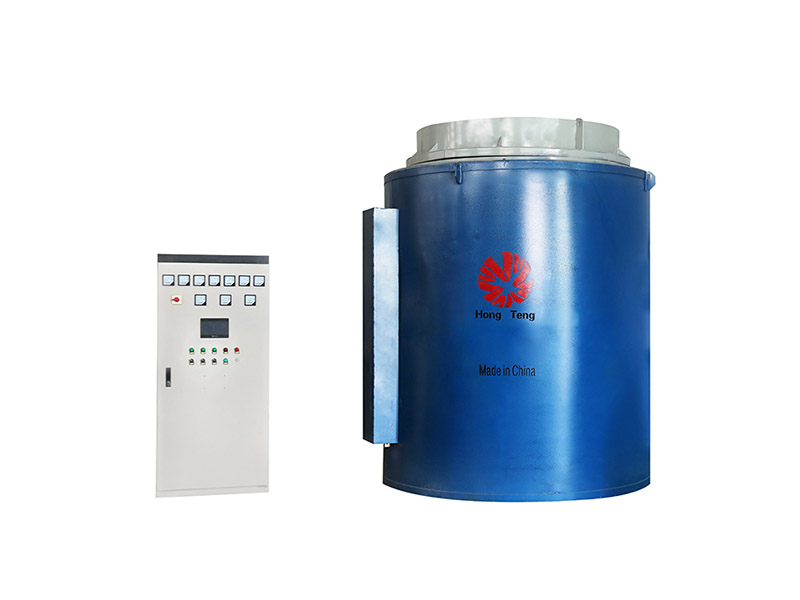
Rotary degassing disperses inert gas through a rotor to create fine bubbles in molten aluminum. Batch systems treat metal in a furnace or ladle, while in-line systems are positioned between holding and casting stages. The right arrangement depends on throughput, metal-transfer layout, available space, and the desired consistency of treatment.
Map the metal path and identify where temperature loss, dross exposure, or interruption is most likely. Equipment that is technically capable but difficult to access or integrate may not deliver the expected result on the shop floor.
Match capacity to production reality
Specify average and peak metal flow, typical batch size, alloy changes, and the required treatment time. A unit should have enough operating range to handle normal variation without forcing excessively aggressive treatment. Also confirm the utility requirements, including electrical supply, inert gas, extraction or ventilation, and any cooling needs.
Discuss start-up, shutdown, and short production stops. A practical system should have a clear method for maintaining or restoring stable conditions when the casting schedule changes.
Evaluate rotor and consumable management
The rotor, shaft, and related wet-end parts operate in a demanding thermal and chemical environment. Ask which materials are recommended for the alloy and flux practice, how wear is inspected, and how replacement is performed safely. Include an initial spare-parts package and expected lead times in the evaluation.
Do not compare equipment only by the purchase price. Consumable life, changeout time, and the availability of technical support can materially affect operating cost and production continuity.
Coordinate degassing with filtration and transfer
Degassing and filtration address different parts of melt cleanliness. Their order and spacing should be planned to avoid unnecessary re-oxidation or temperature loss. Launders, transfer vessels, and covers also influence the result, so they deserve attention during the equipment review.
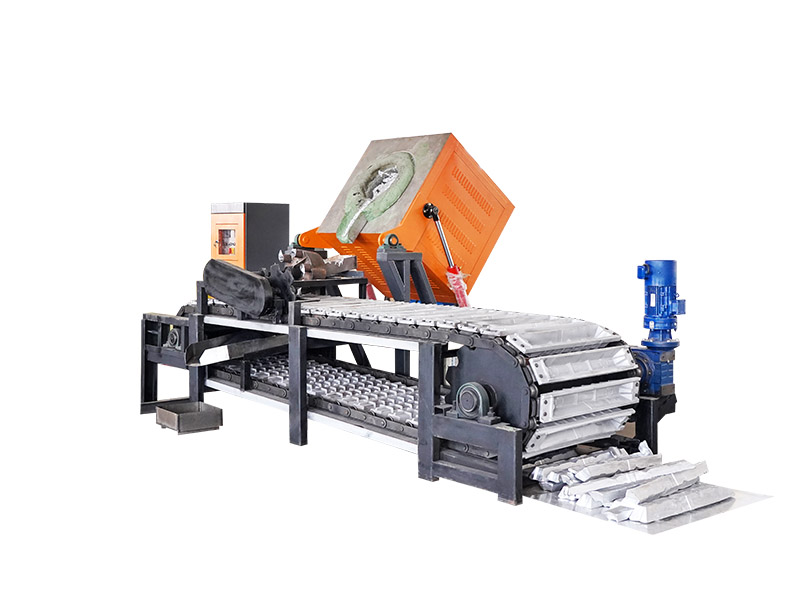
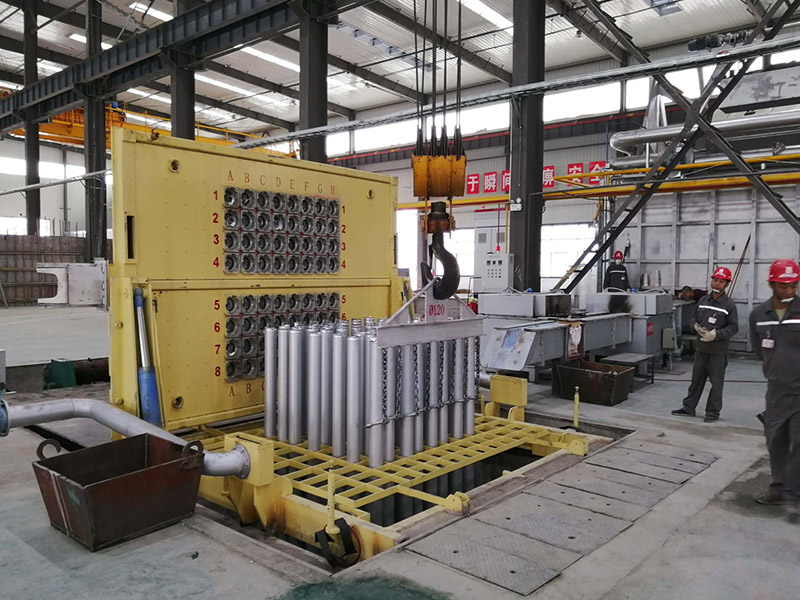
For plants adding capacity, relate the treatment station to the selected deep well continuous casting equipment and the operating sequence around it.
Design for safety and maintainability
Molten aluminum, rotating equipment, compressed gas, and hot components require deliberate safeguards. Verify guards, emergency stops, gas controls, temperature protection, operator access, and maintenance isolation. The supplier should provide operating instructions and commissioning support appropriate to the installed scope.
Make routine tasks easy to perform correctly: visual inspection, rotor changes, cleaning, gas-connection checks, and recordkeeping. A simple preventive-maintenance schedule is more useful than a complex plan that cannot be executed during production.
Prepare a complete RFQ
- State alloy, casting product, throughput, batch size, and target quality checks.
- Provide the available layout, transfer route, utilities, and ventilation constraints.
- Request scope boundaries for degassing, filtration, launders, controls, installation, and commissioning.
- Ask for operating data, consumables, spare parts, training, and after-sales support.
Degassing equipment works best when it is planned with the entire line. Our overview of aluminum casting equipment planning can help your team frame that broader conversation.
Use our technical services to review a proposed melt-treatment scope, then contact us with your production requirements for a focused discussion.
Use operating data to improve the treatment window
After commissioning, collect simple, repeatable data rather than judging the equipment from one casting campaign. Track alloy, metal temperature, treatment time, gas setting, rotor condition, transfer delay, quality-check result, and relevant casting observations. This record gives engineers a basis for correcting variation without relying on guesswork.
Review the information after alloy changes, new scrap sources, or significant production interruptions. The treatment window may need adjustment when melt practice changes. Any adjustment should be controlled, documented, and evaluated through the plant’s established quality checks.
Compare proposals on total operating value
Use a common technical enquiry when comparing suppliers. Include throughput, utility availability, required layout, control interfaces, environmental constraints, responsibilities for installation, and the required commissioning evidence. Request a clearly itemized scope so equipment, consumables, spares, piping, and training are not left ambiguous.
Also evaluate access to service. Ask how a worn rotor is changed, what inspections are recommended, how fast routine consumables can be supplied, and what remote or on-site support is available. A line that is straightforward to maintain often protects production better than a more complex option with unclear support.
With a defined quality target and a documented operating window, aluminum degassing equipment becomes a controlled part of the melt-treatment process rather than a stand-alone purchase.
Make commissioning repeatable
Before production release, document the approved treatment sequence and identify the operator observations that trigger a quality hold. Run controlled trials across representative alloys and record the final settings. This provides a practical reference for supervisors, supports training of new operators, and makes later process changes easier to assess.
Keep the commissioning checklist with the operating instructions, maintenance plan, and quality records. Clear evidence of how the system was accepted is valuable whenever the line is expanded or the production mix changes.