Annealing furnace atmosphere control is a practical purchasing and operating concern because gas composition, moisture, leakage, and circulation can influence surface condition, process consistency, and rework risk. The correct atmosphere is process-specific: it depends on the alloy, required surface finish, temperature cycle, and downstream handling. This guide outlines the questions that help engineering teams specify an annealing system with useful controls rather than vague promises.
Define the metallurgical objective first
Atmosphere control should serve the heat-treatment result, not be specified as a generic feature. A process may need to limit oxidation, protect a bright finish, manage surface chemistry, or simply provide repeatable conditions around the work. The material grade, incoming surface condition, coil or part geometry, and target properties should be stated in the RFQ.
Start by documenting the temperature profile, soak time, load arrangement, and cooling method. These variables interact with the atmosphere. For example, a tightly packed load can create different local conditions from an open fixture even when the furnace setpoint is identical.
Choose the atmosphere around the process window
Protective and process atmospheres can use different gas mixtures and delivery methods. The right selection must be developed with qualified process and gas-supply specialists, taking account of material compatibility and applicable safety requirements. Avoid treating a gas name as a complete specification; purity, dew point, flow stability, and analysis method can be just as important.
A sound proposal explains the intended atmosphere range, the reason it is suitable for the stated material and cycle, and the limits that trigger an alarm or process response. It should also distinguish between a normal operating target and a startup, recovery, or maintenance condition.
Specify measurement and feedback clearly
Atmosphere control is only as useful as the measurements supporting it. Depending on the process, the system may need pressure indication, flow measurement, dew-point measurement, oxygen analysis, or other process-relevant sensors. Specify where readings are taken, how they are protected, and how they are calibrated.
Ask whether the controls are monitoring only or can adjust gas flow and related equipment in a closed loop. Every measurement has response time and maintenance needs. The system should present useful alarms without encouraging operators to override a meaningful safety or quality signal.
Control leakage and circulation
Even a well-selected gas mixture will not produce stable results if the furnace enclosure leaks excessively or gas distribution is uneven. Door seals, loading arrangements, purge practice, exhaust settings, and furnace pressure all deserve review. For continuous equipment, transitions between zones and openings for strip or product movement require particular attention.
Discuss how the supplier verifies circulation and where the atmosphere enters and leaves the work zone. The objective is not maximum gas consumption; it is a repeatable environment at the work. A commissioning plan should include leak checks and a sensible procedure for establishing the atmosphere before valuable product is loaded.
Build safety into the specification
Some furnace atmospheres introduce flammability, asphyxiation, pressure, or combustion risks. The equipment design, installation, and operation must be assessed by qualified professionals against the rules that apply at the site. Request a clear description of purge sequences, interlocks, ventilation assumptions, gas detection where appropriate, emergency shutdown, and operator training.
Safety documents should state what happens after a power interruption, low gas pressure, abnormal analyzer value, or flame-system fault. The response should be understandable to operators and maintainers, and it should be tested during commissioning rather than left as an unverified diagram.
Compare suppliers with a common checklist
Use the same questions for each proposal so apparent price differences do not hide gaps in controls or commissioning scope.
- Work material, load geometry, target properties, and surface requirement
- Furnace type, working-zone dimensions, throughput, and temperature cycle
- Atmosphere composition range, purity assumptions, and consumption basis
- Sensors, sampling locations, control logic, alarms, and calibration plan
- Sealing, circulation, exhaust, purge, and safety-interlock design
- Acceptance checks, training, maintenance tasks, and spare-parts scope
Connect atmosphere control to equipment selection
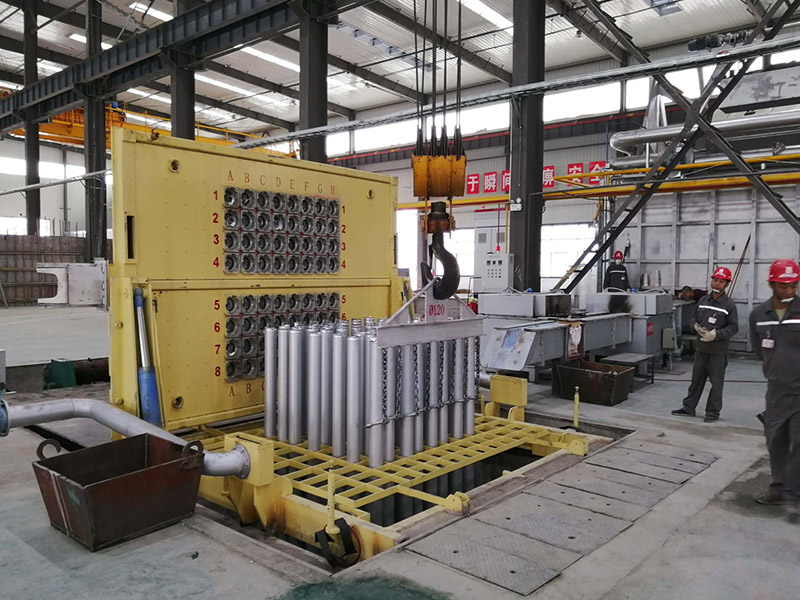
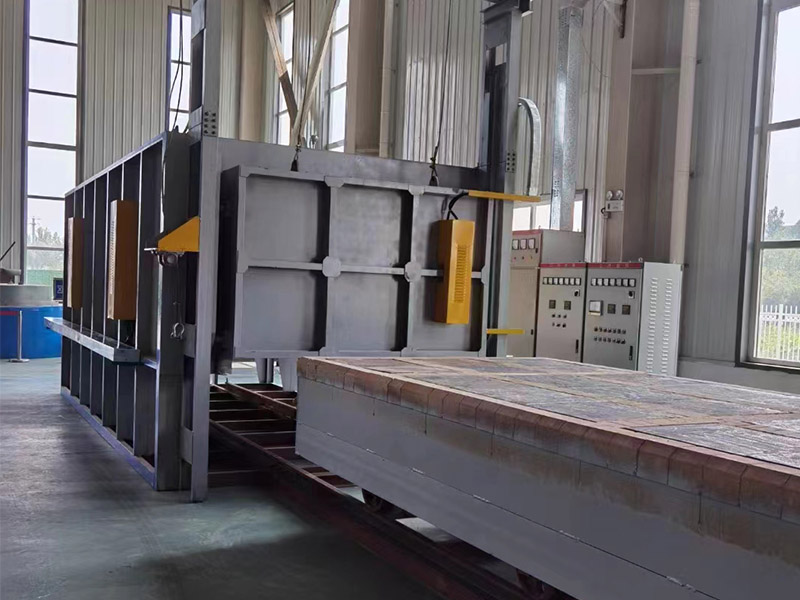
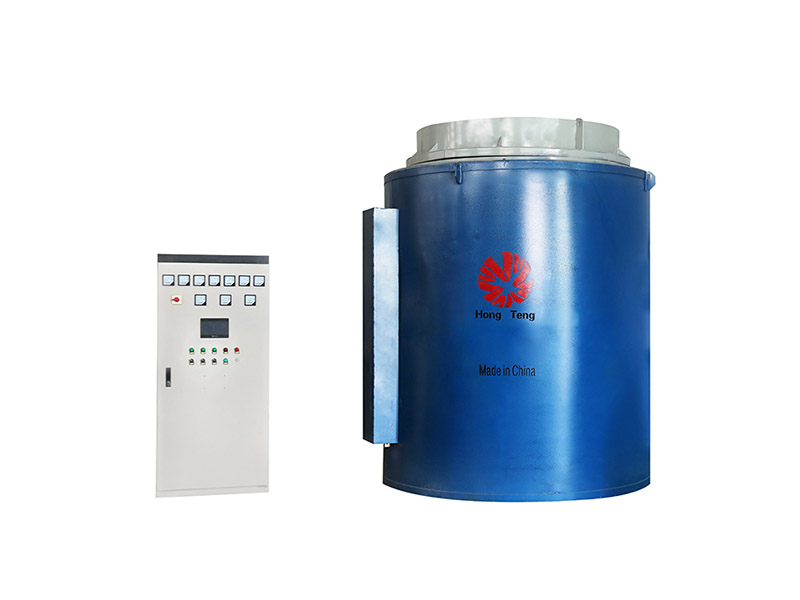
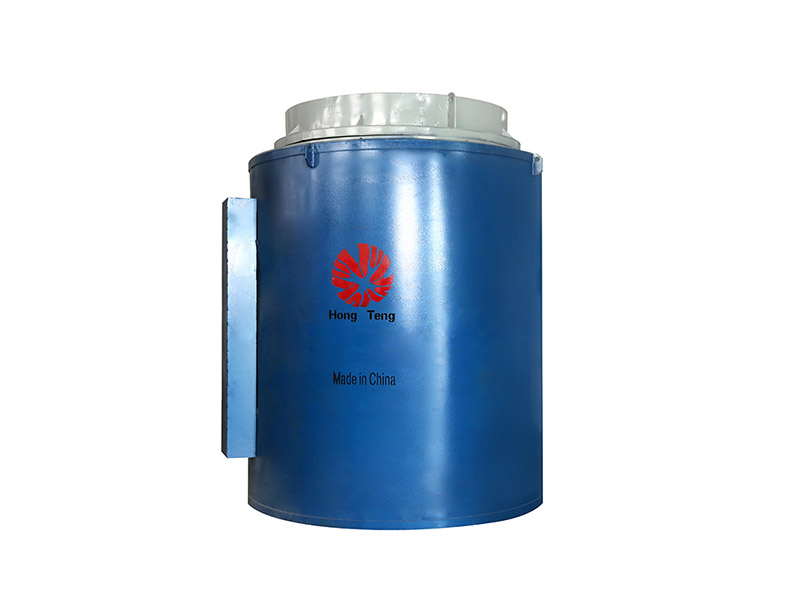
The furnace layout should suit the load and control objective. For batch work, a pit-type annealing furnace can be evaluated around loading practice and atmosphere management. For other batch profiles, review the bogie-type annealing furnace alongside the load size and handling plan.
Agree acceptance criteria before delivery
Turn the specification into observable acceptance checks. Agree which representative load will be used, what temperature and atmosphere records will be retained, and how surface condition or other process results will be assessed. This avoids relying on an empty-furnace demonstration that does not reflect normal production.
Also define the boundary between the furnace supplier, gas supplier, installer, and the site team. Utilities, ventilation, foundations, control integration, and operator readiness can affect the final result even when the furnace itself is built correctly.
Commission with baseline data and operator ownership
Commissioning should confirm the intended temperature cycle, atmosphere readings, alarm response, and operating sequence under representative conditions. Record baseline values and sensor-calibration dates. This helps maintenance teams identify drift before it becomes a quality problem.
Maintain the control loop
Analyzer readings are not permanent facts. Sampling lines, filters, sensor elements, and flow devices require routine inspection and calibration according to the equipment supplier’s guidance. Include access, isolation points, and spare consumables in the original scope so maintenance does not compromise availability.
When results change, compare material condition, loading, temperature records, sealing condition, and atmosphere data before altering the recipe. This disciplined approach helps separate a true atmosphere issue from changes elsewhere in the annealing process.
Define who owns each check on every shift, how readings are recorded, and when engineering review is required. Clear ownership turns atmosphere control from a specialist feature into a repeatable part of daily production.
Our engineering services team can help frame an equipment inquiry. To discuss a heat-treatment project, contact us with your process requirements and planned throughput.